
Slovakia Partners with Poland, Hungary, Czech Republic, and Austria to Scale High Tatras Community Hiking, Redefining Adventure Tourism in Central Europe: New Travel Alert
Slovakia's High Tatras lead a community hiking movement to promote outdoor wellness and sustainable mountain travel in Central Europe. Read trail guidelines.

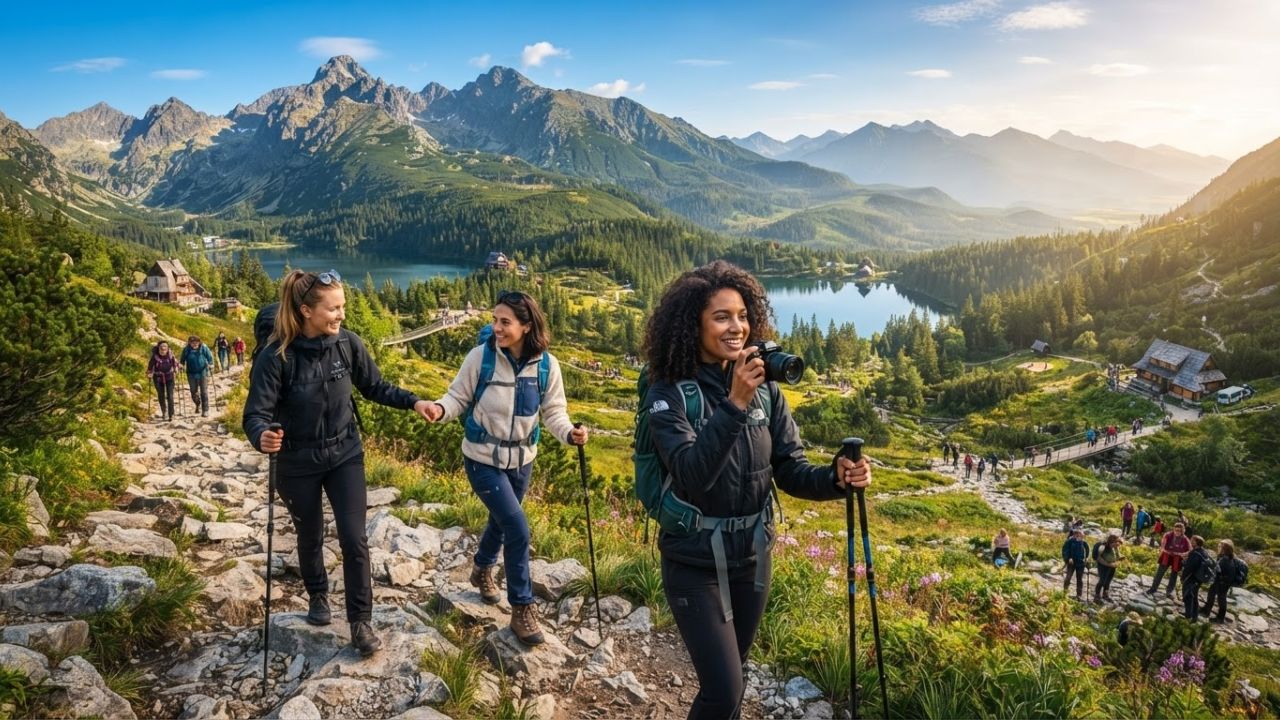
Image generated by AI
Published on July 22, 2026
Slovakia is joining forces with regional partners to transform the Carpathians through a booming market for community hiking, setting a new benchmark for adventure tourism in Central Europe. Focused on the High Tatras along the Polish border, the initiative promotes outdoor wellness and sustainable travel by encouraging group trekking, digital detoxing, and shared physical challenges. Travelers and outdoor enthusiasts from Poland, the Czech Republic, Hungary, and Austria are urged to utilize established trail networks, hire local guides, and respect fragile national park habitats.
Quick Summary
- Alpine Community Hiking: Slovakia's High Tatras are leading a shift towards organized group trekking, combining physical adventure with social connection.
- Cross-Border Cooperation: Slovakia is aligning with Poland, the Czech Republic, Hungary, and Austria to promote multi-country itineraries and slow travel.
- Stunning Natural Assets: The region features peaks exceeding 2,600 meters, dramatic granite ridges, glacial lakes, and biodiverse national parks.
- Eco-Tourism Focus: The program emphasizes sustainable practices, encouraging visitors to stay on marked trails, reduce waste, and hire local guides.
- Wellness and Digital Detox: Group hiking is increasingly utilized by younger travelers as an avenue for mental rejuvenation and stress reduction.
The rise of community hiking in the High Tatras is part of a broader European trend where travelers prioritize mental and physical wellbeing over conventional sightseeing. As travelers seek meaningful human connections and outdoor fitness to escape dense urban environments, Slovakia’s national parks are experiencing a surge in group-oriented adventure bookings. By coordinating with regional tourism organizations, Slovak authorities are leveraging these changing preferences to build a year-round, sustainable travel network that supports local communities without compromising conservation.
Event and Incident Details: High Tatras Community Hiking and Adventure Tourism in Central Europe
The development of community hiking has revitalized the High Tatras—the highest mountain range within the Carpathians. Spanning the border between Slovakia and Poland, this spectacular alpine region features peaks exceeding 2,600 meters and an extensive network of marked trails. The trails cater to beginners seeking moderate valleys and experienced mountaineers attempting demanding summit climbs.
An overview of the High Tatras community hiking profile and project details is presented in the table below:
| Feature Category | High Tatras Implementation |
|---|---|
| Primary Location | Northern Slovakia (bordering Poland) |
| Mountain Range | Carpathian Mountains (High Tatras section) |
| Tourism Focus Area | Outdoor wellness, social connection, and environmental protection |
| Top Activities | Alpine trekking, wildlife photography, and group hiking tours |
| Scenic Highlights | Glacier-formed lakes, waterfalls, wildflower meadows, and granite ridges |
| Protected Wildlife | Alpine chamois, marmots, golden eagles, and rare high-altitude birds |
Group itineraries allow visitors to share the physical challenge of navigating steep ridgelines, fostering teamwork and camaraderie. Rather than traveling in isolation, participants join structured hiking groups that emphasize conversation, mutual support, and mutual safety, transforming standard hikes into shared achievements.
Risk and Impact: Navigating High-Altitude Weather and Trail Safety
While community hiking provides significant wellness benefits, high-altitude alpine terrain introduces specific risks and travel disruptions:
- Sudden Weather Fluctuations: The High Tatras are prone to rapid weather shifts, where clear skies can quickly transition to dense fog, rain, or early snow, blinding hikers.
- Trail Congestion: Popular routes to key summits or glacial lakes can experience overcrowding during the peak summer months, increasing trail wear.
- Physical Exhaustion: Navigating rocky ridges and steep elevations requires a high level of physical fitness, presenting hazards for unprepared walkers.
- Environmental Disruption: Increased human presence in protected valleys threatens sensitive alpine species, requiring strict compliance with conservation rules.
- Logistic Coordination Errors: Organizing cross-border transit between Slovakia and Poland can lead to delays without pre-planned rail or bus connections.
What Authorities Are Saying: Encouraging Eco-Conscious Exploration
Slovak national park administrators and regional tourism directors emphasize that sustainable travel is vital to protecting the High Tatras' fragile ecosystems. Officials state that the growth of adventure travel must be managed responsibly, ensuring that group sizes remain limited and hikers stick to designated paths. According to Tatra National Park (TANAP) conservation guidelines, respecting wildlife habitats and minimizing waste are mandatory requirements for all park visitors.
In addition, tourism ministries across Central Europe are highlighting the benefits of cross-border travel cooperation. According to the Slovakia Travel official portal, coordinating transport networks and promoting multi-country mountain itineraries makes the region more attractive to global travelers. By training and employing local guides, authorities aim to enhance visitor safety while providing valuable ecological education to travelers.
Practical Traveler Advice: Engaging Safely with Adventure Tourism in Central Europe
To plan a successful group trek in the High Tatras and make the most of your trip, travel experts recommend the following guidelines:
- Hire a Local Guide: Utilize certified mountain guides to navigate complex routes, ensure group safety, and learn about regional ecology.
- Pack for All Conditions: Carry windproof layers, thermal clothing, sturdy hiking boots, and plenty of water, even during mid-summer climbs.
- Respect Park Rules: Remain strictly on marked trails to prevent soil erosion and avoid disturbing protected wildlife like chamois and marmots.
- Utilize Rail Networks: Opt for green transport options, such as the electric Tatra railway, to travel between alpine towns and trailheads.
- Pre-Arrange Accommodations: Book mountain huts (chalat) and local hotels well in advance, as high-altitude lodging has strictly limited capacity.
- Download Offline Maps: Secure digital maps and emergency contact applications, as mobile coverage can be spotty in deep granite valleys.
Broader Context: Regional Connectivity and Slow Travel in the Carpathians
The High Tatras serve as a key link in the wider Central European tourism grid, allowing travelers to combine alpine hikes with visits to historic cities in Poland, the Czech Republic, Hungary, and Austria. Improved transport infrastructure and the growing appeal of slow travel have made it easier for visitors to plan multi-country itineraries. A traveler might start their journey exploring Budapest or Vienna, travel by train to Slovakia for a hiking excursion, and finish in Kraków.
This cross-border integration helps distribute tourism revenues more evenly across regional communities, benefiting local guesthouses, restaurants, and equipment providers. By promoting the region as a unified adventure hub, Central European nations are demonstrating how shared natural assets can drive sustainable economic growth while fostering cultural exchange among travelers.
Looking Ahead: Year-Round Development and Conservation Monitoring
Looking to the future, Slovakia and its regional neighbors plan to continue expanding sustainable adventure travel opportunities. Tourism planners are working to develop more comprehensive multi-season packages, encouraging winter snowshoeing and autumn wildlife watching to reduce summer overcrowding. Ongoing conservation studies will monitor trail conditions and wildlife populations to ensure that visitor numbers remain within sustainable ecological limits.
For the travel industry, the community hiking model developed in the High Tatras is expected to serve as a reference point for other mountain regions. By prioritizing emotional wellness, social connectivity, and environmental protection, Slovakia is helping redefine the relationship between adventure travelers and the natural world.
Conclusion: Emphasizing Preparedness and Vigilance
In conclusion, the growth of community hiking in the High Tatras offers an exciting and sustainable pathway for travelers to experience the alpine beauty of Central Europe. While group trekking fosters connection and health, the inherent challenges of high-altitude environments require careful preparation. By staying informed, respecting park guidelines, and maintaining vigilance on the trails, hikers can look forward to a rewarding and safe adventure.
Frequently Asked Questions: Adventure Tourism in Central Europe
Where are the Slovak High Tatras located?
The High Tatras are located in northern Slovakia along the border with Poland, forming the highest section of the Carpathian mountain range.
What is community hiking and why is it popular?
Community hiking involves organized group treks that combine physical challenges with social connection, outdoor wellness, and sustainable exploration, appealing to solo and group travelers.
What are the main wildlife species found in the High Tatras?
The region's rich biodiversity includes protected alpine chamois, mountain marmots, golden eagles, and a wide variety of high-altitude plant and bird species.
How do travelers access the High Tatras trail networks?
Travelers can easily reach key trailheads via the regional electric Tatra railway, which links major alpine towns and resorts throughout northern Slovakia.
Related Travel Guides
- Middle East and Africa Tourism Growth Targets US$50 Billion Expansion by 2030, Fueled by AI Innovation, Mega Projects, and Luxury Travel: New Travel Alert
- WestJet Launches Direct Flights to Latin America and the Caribbean, Unlocking New Tropical Routes: New Travel Alert
- China Sparks Travel Boom as Daming County Expands Nighttime Tourism in China, Inviting Travelers to Experience Ancient Dynasty Heritage: New Travel Alert
Disclaimer
This article is for informational and educational purposes only. It does not constitute legal, financial, or professional advice. While we strive to provide accurate and up-to-date information, travel policies, regulations, and conditions change rapidly. Always verify information with official sources before making travel decisions. Nomad Lawyer makes no representations about the accuracy, reliability, completeness, or suitability of the information provided. Readers should consult qualified professionals for advice specific to their circumstances. The views expressed in this article are those of the author and do not necessarily reflect the views of Nomad Lawyer.
Kunal K Choudhary
Co-Founder & Contributor
A passionate traveller and tech enthusiast. Kunal contributes to the vision and growth of Nomad Lawyer, bringing fresh perspectives and driving the community forward.
Learn more about our team →