
UAE, Saudi Arabia, and Egypt Join Forces to Drive US$50 Billion Middle East and Africa Tourism Growth by 2030, Redefining Global Travel Corridors: New Travel Alert
UAE, Saudi Arabia, Egypt, and MEA destinations target US$50B travel growth by 2030 through AI, luxury, and mega projects. Read travel guidelines.

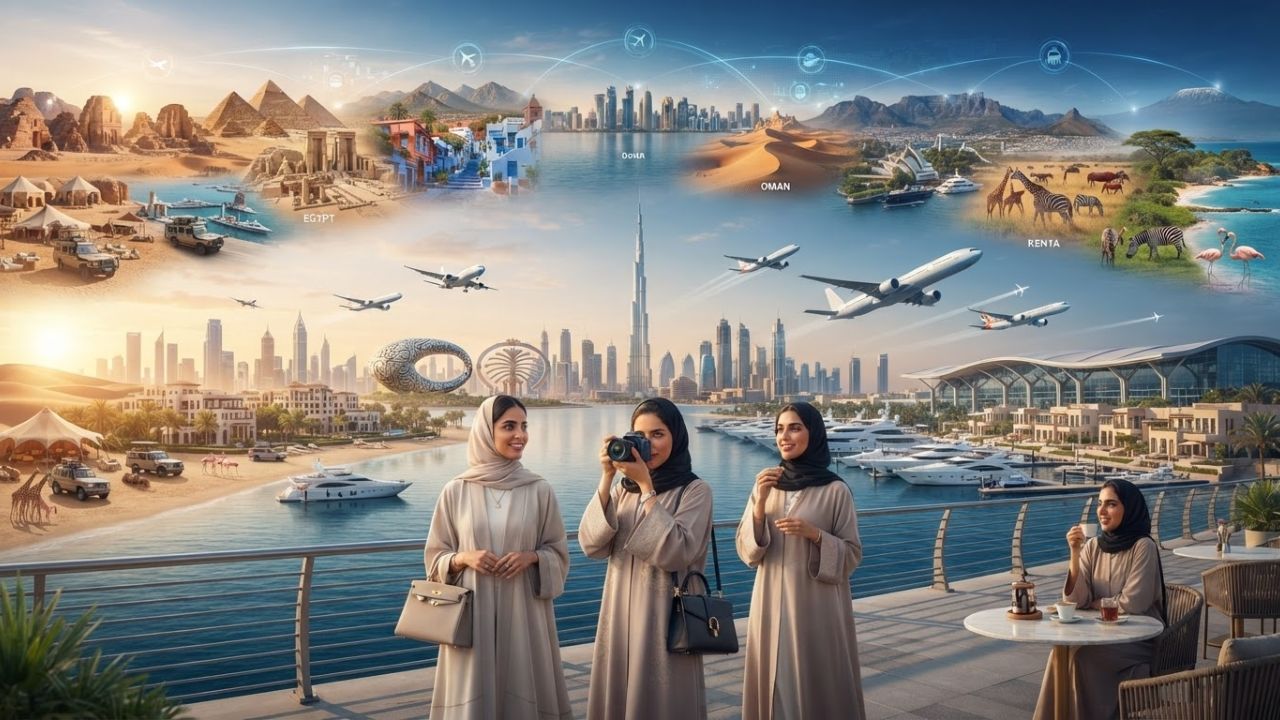
Image generated by AI
Published on July 22, 2026
The United Arab Emirates is partnering with Egypt, Saudi Arabia, and other regional leaders to drive a massive expansion, targeting a US$50 billion boost in Middle East and Africa tourism growth by 2030. According to recent research from Euromonitor International, the region's travel economy is projected to expand by 47.7% over the next five years, fueled by rising demand for regional getaways, flexible booking options, and personalized travel. Travelers visiting Dubai, Riyadh, Cairo, or Marrakech should expect significant digital integration, including AI-driven booking systems, automated customer support, and massive infrastructure developments.
Quick Summary
- Ambitious Growth Targets: The Middle East and Africa (MEA) travel sector aims to generate an additional US$50 billion in value by 2030, representing a 47.7% growth trajectory.
- Futuristic Mega Projects: The expansion is anchored by Saudi Arabia's Vision 2030 projects (AlUla, Red Sea Development, NEOM) and the UAE's global aviation hub upgrades.
- Advanced Digital Integration: Artificial intelligence is transforming the industry, shifting from a premium service into a standard feature for bookings, customer support, and travel planning.
- Broad Regional Participation: Key players driving the boom include the UAE, Saudi Arabia, Egypt, Morocco, Qatar, Oman, South Africa, Kenya, and Tanzania.
- Resilience to Crises: Despite geopolitical tensions, inflation, and global economic uncertainties, regional traveler demand remains strong as consumers prioritize experience-led travel.
This regional travel boom reflects a major transformation, with destinations shifting away from traditional sightseeing holidays toward highly immersive, experience-focused journeys. The findings detailing this economic shift will be presented at the Arabian Travel Market (ATM) 2026, scheduled at the Dubai World Trade Centre from September 14 to 17, 2026. Under the event theme "Travel 2040: Driving New Frontiers Through Innovation and Technology," industry leaders will discuss how digital tools and mega infrastructure projects are reshaping travel patterns.
Event and Incident Details: National Contributions to Middle East and Africa Tourism Growth
The projected US$50 billion expansion relies on coordinated infrastructure investments and target tourism strategies across several key countries:
- United Arab Emirates: Leveraging the global connectivity of Dubai and Abu Dhabi to attract business, MICE (Meetings, Incentives, Conferences, and Exhibitions), shopping, cruise, and luxury travelers.
- Saudi Arabia: Investing heavily via its Vision 2030 strategy, developing mega projects like the ancient heritage site of AlUla, the sustainable Red Sea Coastal resorts, and the futuristic city of NEOM.
- Egypt: Combining historical archaeological tourism in Cairo with modern resort and leisure experiences along the Red Sea in Hurghada, Sharm El Sheikh, and Marsa Alam.
- Morocco: Expanding hotel and transport infrastructure in Marrakech, Casablanca, Rabat, and Fez in preparation for the 2030 FIFA World Cup.
- Qatar: Building on the legacy of the 2022 FIFA World Cup, positioning Doha and Hamad International Airport as premium stopover hubs between continents.
- Oman: Targeting adventure and nature seekings through eco-tourism and mountain journeys in Muscat, Salalah, Jebel Akhdar, and Wahiba Sands.
- East & South Africa: Driving growth through safaris, wildlife conservation, and luxury lodges in South Africa, Kenya, and Tanzania.
A summary of these regional tourist focuses and their strategic initiatives is detailed in the table below:
| Country Hub | Core Tourism Focus | Strategic Initiatives & Infrastructure |
|---|---|---|
| United Arab Emirates | Global hub connectivity & luxury | Airport upgrades, MICE events, and premium hotels in Dubai & Abu Dhabi |
| Saudi Arabia | Heritage, futuristic city, & luxury | Vision 2030 mega projects including AlUla, Red Sea, NEOM, and airport expansions |
| Egypt | Ancient heritage & coastal resorts | Red Sea hospitality expansions, Nile cruises, and visa system upgrades |
| Morocco | Culture, events, & historical towns | 2030 FIFA World Cup infrastructure, airport, and road network upgrades |
| Qatar | Premium transit stopovers & events | Hamad International Airport expansion and post-World Cup hotel capacity |
| Oman | Eco-tourism, nature, & mountains | Desert and mountain resort developments in Salalah and Jebel Akhdar |
| African Powerhouses | Safaris, wildlife, & luxury lodges | Conservation-focused tourism in South Africa, Kenya (Maasai Mara), and Tanzania |
Risk and Impact: Geopolitical Challenges, Inflation, and Service Discrepancies
Despite the optimistic growth projections, the MEA travel sector faces several geopolitical risks and operational challenges that travelers should take into account:
- Regional Geopolitical Tensions: Geopolitical challenges and regional instability present security concerns that can influence travel advisories and airline route planning.
- High Inflationary Pressures: Rising inflation and fluctuating fuel costs can lead to premium pricing for airline tickets, hotel stays, and local services.
- Infrastructure Capacity Strains: Rapid passenger growth can strain local airport services, leading to delays and terminal congestion during peak seasons.
- Varying Regulatory Standards: Travelers navigating multiple MEA countries must manage differing visa rules, health regulations, and entry requirements.
- Environmental Pressures: Mass tourism expansion in fragile ecosystems, such as Africa's safari parks or Saudi Arabia's coastal resorts, requires strict regulation to prevent environmental damage.
What Authorities Are Saying: Strategic Vision for Middle East and Africa Tourism Growth
National tourism boards and research analysts emphasize that adopting new technologies is essential for maintaining competitiveness in a crowded global market. According to research published in the Euromonitor International Travel in an Age of Poly-Crisis report, travelers are not canceling their travel plans but are choosing closer regional destinations and demanding flexible booking terms. Authorities state that integrating smart digital tools is the most effective way to address these changing behaviors.
Furthermore, aviation and logistics planners suggest that the UAE's strategic location connecting Asia, Europe, and Africa gives it a permanent advantage. Tourism experts at the Arabian Travel Market (ATM) portal point out that the upcoming ATM 2026 will serve as the primary forum for launching new travel technologies. By combining public infrastructure investments with private sector innovation, MEA governments aim to build a highly resilient travel ecosystem that supports long-term economic stability.
Practical Traveler Advice: Planning Trips in the MEA Region
For travelers planning to visit destinations across the Middle East and Africa, travel experts recommend following these practical guidelines:
- Verify Visa Requirements: Check visa entry rules and application timelines for each country on your itinerary, as procedures vary significantly.
- Utilize AI Travel Tools: Take advantage of AI-powered booking platforms and travel helpers to secure flexible booking rates and personalized recommendations.
- Plan Stopovers Smartly: Use airline stopover packages in hubs like Dubai, Abu Dhabi, or Doha to explore multiple cities during a single long-haul journey.
- Prepare for Peak Seasons: Book luxury safari lodges, desert excursions, and heritage tours months in advance to secure slots.
- Monitor Travel Advisories: Keep updated on local security situations and travel advisories issued by government authorities before departure.
- Select Sustainable Operators: Support tour operators and hospitality brands that prioritize environmental conservation and community development.
Broader Context: The Rise of Experience-Led Travel and Tech Integration
The projected 47.7% travel economy expansion reflects a major structural change in consumer preferences, with travelers prioritizing wellness, adventure, and local culture over traditional sightseeing. Destinations are responding by redesigning their products to offer deeper connections with local heritage and nature. This includes luxury desert glamping in Saudi Arabia, eco-lodges in Tanzania, and cultural walks in Marrakech.
At the same time, artificial intelligence is transforming the operational side of the travel industry, moving from a luxury service into a basic requirement. Booking platforms are using AI to analyze traveler preferences and deliver hyper-personalized packages, while predictive customer support systems provide instant assistance. By reducing booking friction and travel anxiety, technology is helping destinations capture a larger share of the global travel market.
Looking Ahead: Achieving Long-Term Tourism Goals by 2030
As MEA nations move toward their 2030 targets, the travel industry will remain a central pillar of national economic diversification strategies. Saudi Arabia will continue to accelerate its Vision 2030 projects, while Morocco will focus on World Cup infrastructure upgrades. Regional airports will expand their capacities to accommodate the anticipated passenger volume, and hotel brands will introduce more luxury and mid-scale properties.
For the global travel industry, the success of the MEA region's sustainable tourism and digital integration models will provide valuable templates for other developing markets. By balancing rapid commercial expansion with cultural preservation and smart technology, the Middle East and Africa are securing a prominent role in the future of international travel.
Conclusion: Emphasizing Preparedness and Vigilance
In conclusion, the historic boom in the Middle East and Africa tourism sector offers travelers unparalleled opportunities to explore cultural treasures, futuristic cities, and pristine wildlife reserves. However, navigating a complex region amid global economic and geopolitical challenges requires careful preparation and adaptability. By staying informed, utilizing digital tools, and maintaining vigilance, travelers can ensure a safe and rewarding journey through this dynamic corner of the world.
Frequently Asked Questions: Middle East and Africa Tourism Growth
What is the projected growth for the MEA travel economy by 2030?
The MEA travel sector is projected to expand by 47.7% between 2025 and 2030, adding more than US$50 billion in new economic value.
Where will the Arabian Travel Market (ATM) 2026 be held?
The Arabian Travel Market 2026 will take place at the Dubai World Trade Centre from September 14 to 17, 2026, under the theme "Travel 2040: Driving New Frontiers Through Innovation and Technology."
What are the main mega projects driving Saudi Arabia's tourism growth?
Key projects include AlUla (ancient heritage destination), the Red Sea Development (sustainable coastal luxury), and NEOM (a futuristic high-tech city).
How is AI technology transforming tourism in the MEA region?
AI is being integrated into booking platforms to provide faster reservations, personalized recommendations, real-time customer support, and tailored travel itineraries.
Related Travel Guides
- WestJet Winter Flights Launch to Mexico, Costa Rica, Dominican Republic, and Belize, Unleashing Sun-Soaked Routes for Canadian Travelers: New Travel Alert
- China Sparks Travel Boom as Daming County Expands Nighttime Tourism in China, Inviting Travelers to Experience Ancient Dynasty Heritage: New Travel Alert
- Netherlands Backs Wuunder's GreenChoice Platform to Clean Up Urban Congestion, Advancing Sustainable Logistics in Europe for Cleaner Tourism Environments: New Travel Alert
Disclaimer
This article is for informational and educational purposes only. It does not constitute legal, financial, or professional advice. While we strive to provide accurate and up-to-date information, travel policies, regulations, and conditions change rapidly. Always verify information with official sources before making travel decisions. Nomad Lawyer makes no representations about the accuracy, reliability, completeness, or suitability of the information provided. Readers should consult qualified professionals for advice specific to their circumstances. The views expressed in this article are those of the author and do not necessarily reflect the views of Nomad Lawyer.
Kunal K Choudhary
Co-Founder & Contributor
A passionate traveller and tech enthusiast. Kunal contributes to the vision and growth of Nomad Lawyer, bringing fresh perspectives and driving the community forward.
Learn more about our team →