
Singapore, Thailand, and Malaysia Launch Digital Border Initiative: Visa-Free Travel and E-Immigration Reshaping Southeast Asia in 2026
Three Southeast Asian governments are dismantling visa barriers through digital immigration systems, expanded visa exemptions, and nomad-friendly policies. Here's what remote workers and travelers need to know.

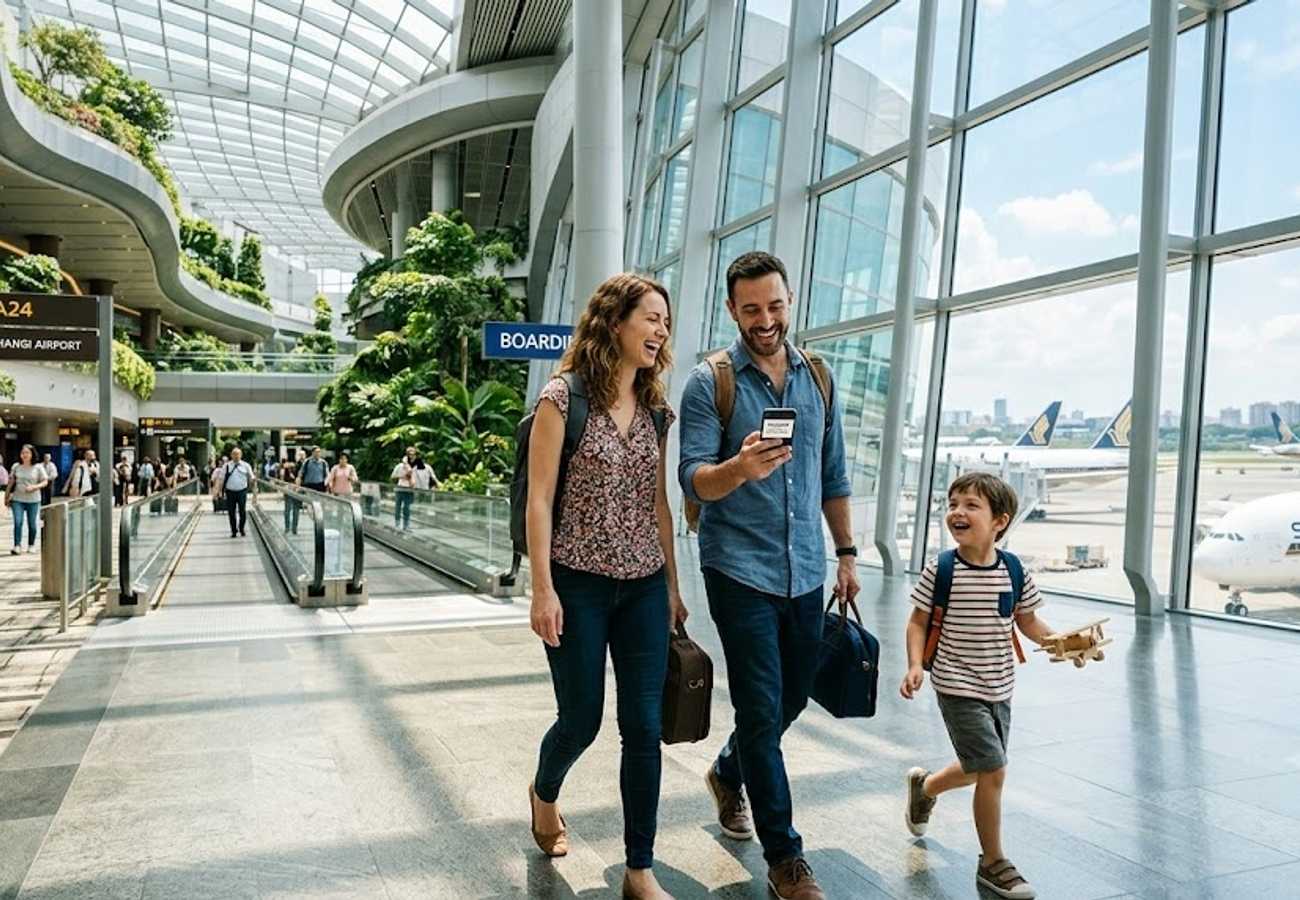
Image generated by AI
I've watched Southeast Asia's immigration landscape transform dramatically over the past eighteen months. What once required embassy visits and printed forms now happens on a laptop before you board your flight. Thailand, Singapore, and Malaysia aren't just opening doors—they're digitizing them entirely.
The shift matters because these three countries function as a connected travel corridor. Most international visitors don't pick one destination; they string together Bangkok, Kuala Lumpur, and Singapore in a single itinerary. When all three modernize their border systems simultaneously, the friction essentially vanishes.
The Real Shift: From Visa Waivers to Digital Mobility
When I first traveled through Thailand in the early 2010s, visa runs meant border bounces and paperwork stacks. Today, the country's Destination Thailand Visa (DTV) lets remote workers apply entirely online and stay up to 180 days. No embassy appointment required.
Thailand's 2026 immigration reforms center on attracting longer-staying, higher-spending visitors rather than maximizing arrival numbers. The DTV specifically targets freelancers, remote professionals, and digital nomads—a demographic that spends money on accommodation, coworking spaces, and local services for months at a time, not just weeks.
Singapore maintains perhaps the world's most efficient digital border. Walking through Changi Airport's immigration feels like stepping through an automated door. Biometric systems, integrated passenger databases, and minimal human interaction mean I've cleared immigration in under three minutes consistently.
Malaysia launched its National Integrated Immigration System (NIISe) to replace paper-based processes entirely. When I last crossed at the Johor Bahru border, the system was already showing results—queues moved faster, and digital verification caught inconsistencies that might have slowed manual checks.
"Skip the main tourist visa routes and check if you qualify for Thailand's DTV. Six months in Chiang Mai costs less than one month in most Western cities. The visa elimination of border runs changed everything for how long I can stay." — u/remoteworklife, r/digitalnomad
What This Means for Different Traveler Types
For remote workers and digital nomads: Thailand's DTV is the game-changer. The visa accommodates self-employed professionals, freelancers, and anyone working for overseas clients. Application takes 2-3 weeks online, and costs roughly USD 200. Once approved, you get 180 days without the traditional visa run hassles.
For business travelers: Singapore's infrastructure remains unmatched. The city-state processes thousands of international business arrivals daily through fully automated systems. Connecting through Singapore to Thailand or Malaysia works seamlessly—the digital handoff between their systems is nearly invisible.
For leisure travelers: Malaysia's modernized system has quietly become the most underrated option. The country remains cheaper than Singapore and less touristy than Bangkok's main areas. I've found the best regional connections through Kuala Lumpur, and immigration now matches Singapore's efficiency.
According to ASEAN Secretariat data on regional mobility initiatives, cross-border travel within Southeast Asia increased 34% in 2025-2026 as visa policies relaxed. The digital infrastructure upgrades are directly enabling this surge.
The Practical Economics of Digital Borders
Each country's reforms reflect different economic priorities. Thailand needs tourism revenue—the sector contributes roughly 12% of GDP. Removing administrative barriers makes sense. Digital systems cost upfront but reduce staff overhead and processing time.
Malaysia faces competitive pressure from Thailand's aggressive nomad marketing. The NIISe rollout is strategic: modernize faster than competitors and capture the growing remote-work segment. Singapore doesn't need to compete on affordability—it leads on reliability and business infrastructure.
When governments invest in digital immigration, they're really investing in tourism market share. The World Economic Forum's Travel & Tourism Competitiveness Index ranks these three countries' infrastructure highly, but speed of immigration clearance directly impacts visitor satisfaction scores.
Real Border Experience: What Changed in Practice
I crossed from Thailand to Malaysia via the Sadao-Bukit Kayu Hitam border crossing last month. Five years ago, this meant 90-minute waits. Now, the digital system scans passports and processes entry in under 20 minutes. The physical infrastructure remains the same—the throughput transformation comes from automation.
Bangkok's Don Mueang Airport immigration has added e-gates in the main hall. If your passport has an embedded chip (most Western and developed-nation passports do), you walk straight through without an officer. Thai citizens get priority, but the system moves leisure visitors through in parallel lanes.
Kuala Lumpur's Low-Cost Carrier Terminal (LCCT) now offers paperless arrival processes for Malaysia. Digital entry forms are submitted pre-flight through the airline app. I submitted mine 24 hours before landing; immigration was literally a fingerprint scan and a wave through.
The Digital Nomad Visa Strategy
Thailand's DTV explicitly names the segments it targets: remote workers, location-independent professionals, and digital business operators. The visa costs USD 200, requires proof of a foreign employer or client contract, and demonstrates monthly income of roughly USD 2,000-3,000.
The application process is entirely online through Thailand's immigration website. No in-person appointments. Standard processing takes 10-15 business days from submission. Fast-track is available for additional fees.
Why this matters: traditional tourist visas restrict work-related activities. The DTV legitimizes what thousands of digital nomads already do—work remotely from Southeast Asia. Thailand is essentially saying: "We know you're here to work. Register legally, and we'll give you half a year."
Malaysia doesn't yet have an equivalent dedicated visa, but long-term stay options exist for those with sufficient financial resources. Singapore actively discourages extended stays for remote workers—the city-state's immigration model prioritizes short-term business mobility over long-term residence.
What Travel Infrastructure Supports the Digital Push
These visa changes don't work without underlying connectivity. All three countries maintain excellent flight networks. Thailand has Suvarnabhumi and Don Mueang serving Bangkok. Malaysia's Kuala Lumpur International Airport (KLIA) is the region's second-largest hub. Singapore's Changi handles 60+ million passengers annually and connects to 400+ cities.
Hotels and coworking spaces have proliferated in anticipation of longer digital nomad stays. Chiang Mai now has 40+ dedicated coworking spaces—five years ago, there were three. Bangkok's Silom and On Nut districts host clusters of spaces specifically marketing to remote workers with high-speed internet and visa-friendly policies.
Public transit in all three cities supports month-long stays. Bangkok's BTS and MRT metro cards work with monthly passes. Kuala Lumpur's Klang Valley Integrated Transit System (KVITS) has travel cards good for 30 days. Singapore's Ez-Link card handles all transit for residents or extended visitors.
"The DTV changed my entire cost calculation. I can legally stay six months, which means I'm not scrambling to find visa runs or border crossings every 90 days. Thailand went from a 'quick holiday destination' to an actual base." — thom_travel_asia, Instagram
Timeline of Recent Changes
March 2026: Thailand formally launched the expanded Destination Thailand Visa with simplified online processing. Previous iterations required embassy applications; the 2026 version is entirely digital-first.
April 2026: Malaysia's NIISe system went live for all immigration checkpoints at international airports. Processing times dropped 40-50% compared to the legacy system.
May 2026: Singapore announced upgrades to its automated immigration gates, extending biometric clearance to additional nationalities and reducing processing time further.
These aren't theoretical announcements—they're live systems with real throughput improvements measured in actual border crossing times.
Practical Visitor Guide
Best Times to Visit
Peak season (November-February): Cooler weather, but higher prices and longer visa queues at immigration. Book accommodation 4-6 weeks in advance. Digital visas process faster during off-peak periods, so apply 2-3 weeks before arrival.
Shoulder season (March-May, September-October): Fewer tourists, lower prices, faster immigration processing. Heat and humidity are higher March-May; September-October brings more rainfall but emptier attractions.
Avoid (June-August, September): Monsoon season brings flooding in some areas and frequent flight delays. Immigration remains efficient but tourist infrastructure operates below optimal capacity.
Local Safety and Navigation
All three countries are genuinely safe for tourists. Petty theft in Bangkok and Kuala Lumpur occurs in crowded areas (night markets, packed transit). Use the same urban caution you'd use in any major city—secure bags, avoid displaying expensive items on public transit.
Thailand's BTS Skytrain in Bangkok is the safest transit option. A single-journey ticket costs 20-60 THB ($0.60-1.80 USD). Monthly passes exist for 1,400-4,000 THB ($40-120 USD) but require a registered card.
Malaysia's LCCT serves budget airlines exclusively. It's 60km from Kuala Lumpur city center; expect 90 minutes to downtown via rail or budget airline shuttle buses.
Singapore's geography is small enough that MRT and buses reach nearly everywhere. Ez-Link cards cost 12 SGD ($9 USD) plus credit, then top up as needed. A 7-day tourist card costs 20 SGD and includes unlimited transit.
Budget Expectations
Thailand: Accommodation ranges 300-2,000 THB nightly ($9-60 USD) depending on location and standard. Food costs 30-150 THB per meal ($1-5 USD) at local vendors. Budget airlines fly Bangkok-Kuala Lumpur or Bangkok-Singapore for 800-2,500 THB ($24-75 USD) if booked in advance.
Malaysia: Mid-range accommodation costs 80-250 MYR nightly ($17-55 USD). Food is slightly pricier than Thailand: 8-25 MYR per meal ($1.75-5.50 USD) at local spots. Regional flights are similarly priced to Thailand.
Singapore: Accommodation is notably expensive: 80-250 SGD nightly ($60-185 USD) for mid-range hotels. Food at hawker centers costs 5-12 SGD ($3.70-9 USD) per meal—excellent value for the quality. Flights to Thailand or Malaysia from Singapore are often cheaper if booked regionally.
Health and Insurance
Tap water is safe in all three countries' major cities. Malaria risk is minimal in urban areas but present in rural regions near borders. Standard travel insurance covers medical emergencies; plan for 50-100 USD per month for comprehensive coverage.
Dengue fever and other mosquito-borne illnesses are present but uncommon among tourists who use basic precautions (insect repellent, long sleeves at dusk). If you're staying 90+ days via DTV, consider comprehensive annual travel health insurance rather than monthly policies.
Getting Around Regionally
Buses connect all three countries cheaply. Bangkok to Kuala Lumpur is 12-15 hours via bus for 400-800 THB ($12-24 USD). Trains are slower but more comfortable: the Bangkok-Penang line is scenic and costs 700-1,200 THB ($21-36 USD) in second class.
Budget airlines are the fastest regional option: AirAsia connects Bangkok-Kuala Lumpur-Singapore frequently for 800-2,500 THB ($24-75 USD) if booked 4+ weeks in advance. Booking direct through AirAsia's official website is cheapest; third-party booking sites add unnecessary fees.
Digital Nomad-Specific Resources
Thailand's official e-Visa portal handles DTV applications entirely online. Expect processing within 10-15 business days. The site requires: passport copy, proof of overseas income or employment, bank statements showing 500,000 THB (~$15,000 USD) in savings, and accommodation booking confirmation.
Malaysia's immigration requirements are traditional but efficient; check imigresen.gov.my for current long-term stay visa options.
Singapore's immigration is strict; the easiest long-term path is employment. Tourist visas typically allow 14-30 days and don't support visa extensions for leisure stays.
The border between Southeast Asia's old visa bureaucracy and its digital future isn't theoretical anymore—it's live, functioning, and measurable in actual crossing times.
Related Travel Guides
Disclaimer
This article is for informational and educational purposes only. It does not constitute legal, financial, or professional advice. While we strive to provide accurate and up-to-date information, travel policies, regulations, and conditions change rapidly. Always verify information with official sources before making travel decisions. Nomad Lawyer makes no representations about the accuracy, reliability, completeness, or suitability of the information provided. Readers should consult qualified professionals for advice specific to their circumstances. The views expressed in this article are those of the author and do not necessarily reflect the views of Nomad Lawyer.
Kunal K Choudhary
Co-Founder & Contributor
A passionate traveller and tech enthusiast. Kunal contributes to the vision and growth of Nomad Lawyer, bringing fresh perspectives and driving the community forward.
Learn more about our team →