
Breaking Airline News: Singapore Airlines and Malaysia Airlines Deploy Massive Widebody Fleets to Shield Australian Travelers from Regional Travel Chaos
Breaking airline news: Amidst a terrifying era of severe long-haul discomfort, Singapore Airlines and Malaysia Airlines aggressively deploy elite widebody fleets to shield Australian travelers from extreme travel chaos.

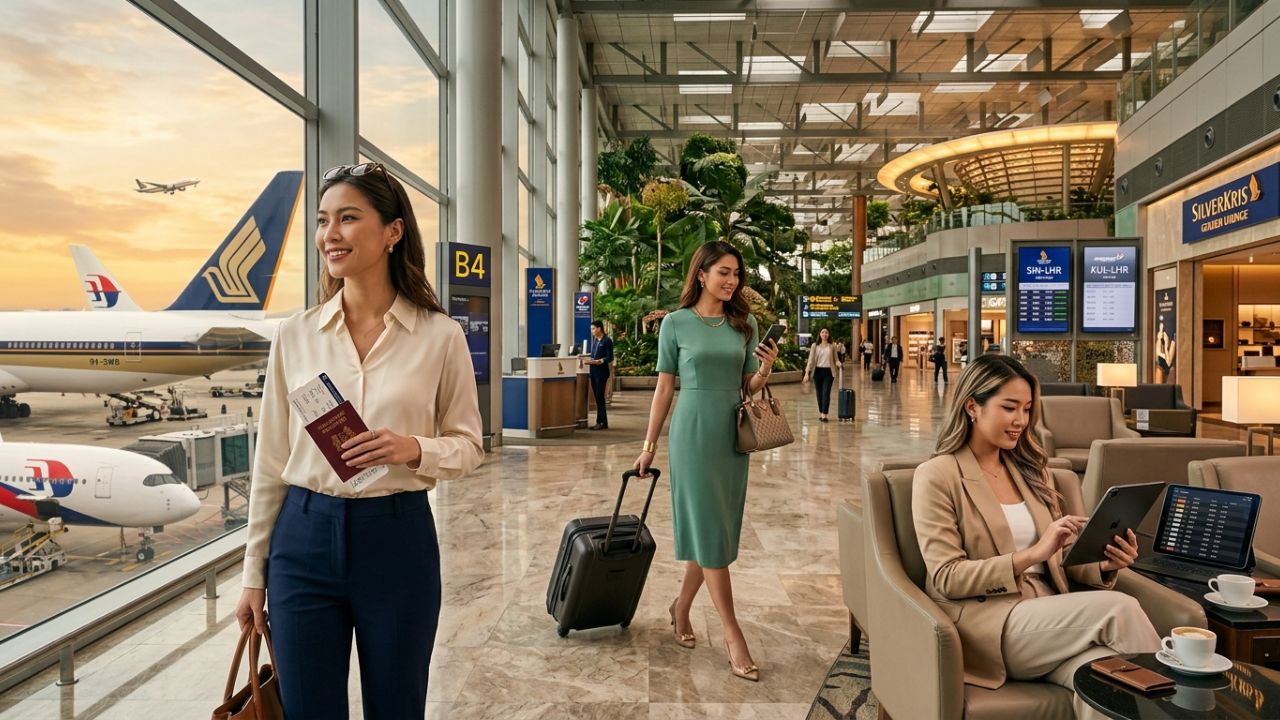
Image representing the intense strategic battle as premier Asian aviation authorities desperately deploy massive, highly reliable widebody fleets to combat severe transit friction and bypass paralyzing long-haul discomfort caused by narrowbody aircraft.
Breaking Airline News: Singapore Airlines and Malaysia Airlines Deploy Massive Widebody Fleets to Shield Australian Travelers from Regional Travel Chaos
As paralyzing terminal congestion, terrifying equipment downgrades, and severe operational fragility violently threaten to completely choke highly complex trans-Asian transit networks, two major legacy carriers have executed brilliant high-stakes logistical maneuvers. In a desperate bid to physically and psychologically rescue Australian travelers from the terrifying threat of extreme travel chaos triggered by cramped narrowbody cabins and disconnected in-flight entertainment, both Singapore Airlines and Malaysia Airlines have aggressively fortified their regional networks. Officially recognized on the World’s Best Airlines list for 2026, these two heavyweights are forcefully battling to dominate the crucial Australia-to-Europe transit corridor. By deploying massive widebody fleets and elite passenger services through their respective hubs at Changi Airport and Kuala Lumpur International Airport, they are allowing furious corporate travelers and desperate families to entirely bypass the threat of grueling, low-quality flights. This operational paradigm shift is transforming modern economy travel, proving that actively deploying superior space, connectivity, and catering is the absolute ultimate defense against the agonizing misery historically defining major airport unpredictability.
In a harrowing display of modern aviation vulnerability, the sheer logistical nightmare of attempting to navigate essential corridors out of Australia has historically forced passengers into terrifying transit scenarios. For years, securing a cheap long-haul economy seat meant risking it all on violently cramped, downgraded aircraft—staring at a blank personal device with intense anxiety as rolling delays and completely dead WiFi virtually guaranteed a catastrophic psychological breakdown mid-flight. However, Singapore Airlines and Malaysia Airlines are aggressively fighting back against this structural paralysis. Recognizing that forcing passengers to endure 6-hour regional flights in subpar conditions creates a massive, highly stressed captive audience, these carriers are introducing highly resilient, heavily fortified economy class alternatives. By rapidly deploying double-aisle widebody aircraft on nearly all Australian routes, travelers now possess the absolute freedom to physically shield themselves from the devastating effects of paralyzed transport networks, ensuring their critical European and Asian itineraries are executed without the terrifying threat of cabin-induced claustrophobia.
Expanded Overview: The Massive Scale of the Comfort Shield
The terrifying crisis of overwhelming passenger stress currently gripping complex intercontinental itineraries brutally exposes the severe limitations of flying low-cost narrowbody planes on long regional routes. Recognizing that aggressively cramming travelers into single-aisle tubes leads directly to severe psychological friction and ruined holidays, Singapore Airlines and Malaysia Airlines have fundamentally rewritten the economy class strategy. The sheer scale of this tactical realignment is immense. Both airlines operate massive full-service products designed to seamlessly connect Australian cities to the world. However, a rigorous tactical analysis of their 2026 operations reveals subtle, critical differences in fleet scale, WiFi connectivity, and seating execution that determine whether a passenger survives the journey in absolute comfort or succumbs to the brutal realities of regional travel chaos.
Section-Wise Breakdown: The Operational Realignment
Breaking the Capacity Gridlock: Fleet Scale Execution
To survive the terrifying surge in global travel demand without triggering immediate capacity meltdowns, fleet size dictates survival. Singapore Airlines operates a massive fleet of 162 aircraft, giving it an extreme tactical advantage in route flexibility over Malaysia Airlines’ 92 aircraft. Crucially, Singapore Airlines executes a 100% widebody, double-aisle deployment on all routes between Australia and Singapore. This guarantees passengers massive amounts of personal space and prevents the claustrophobic travel chaos associated with single-aisle boarding delays.
Shattering the Perth Bottleneck: The 737 MAX Vulnerability
While Malaysia Airlines largely mirrors this widebody defense from most Australian cities, a terrifying operational vulnerability exists in Western Australia. Malaysia Airlines currently deploys a narrowbody Boeing 737 MAX on one of its daily Perth to Kuala Lumpur services. Enduring a 5.5- to 6-hour flight on a narrowbody aircraft is a severe logistical trap, creating restricted lavatory access, drastically reduced personal space, and terrible cabin circulation. For passengers seeking to avoid extreme travel friction, this specific 737 MAX deployment represents a massive exposure to long-haul discomfort.
Deploying the Digital Shield: IFE and Starlink Defense
Surviving travel chaos requires absolute digital connectivity. Singapore Airlines deploys the heavily fortified KrisWorld entertainment system across all flights, completely shielding passengers from boredom. Furthermore, their highly stable WiFi is currently transitioning to the Starlink network—the absolute benchmark for reliable in-flight internet. Conversely, Malaysia Airlines' 737 MAX flight relies on Viasat streaming to personal devices, which is terrifyingly prone to unreliability, forcing passengers to preload content before boarding or risk complete digital isolation.
Securing the Cabin Core: Service and Pricing Metrics
Beyond the hardware, survival relies on the crew. Malaysia Airlines deploys remarkable crew dedication, heavily praised for maintaining a positive atmosphere and serving their legendary signature peanuts and world-renowned satay skewers (in business class). Singapore Airlines counters with highly trained, flawlessly efficient cabin staff. When comparing a hypothetical August 2026 economy extraction from Melbourne to Asia (including 25kg checked baggage and seat selection), Malaysia Airlines prices out at approximately $981.44, while Singapore Airlines offers a slight financial advantage at $928.00.
Trans-Asian Carrier Defense Matrix
To fully comprehend the massive logistical and strategic fallout of this terrifyingly competitive network execution, corporate travel managers and affected tourists must review the exact operational metrics defining these two airlines. The following matrix provides a granular breakdown of the specific, officially verified strategic data driving this massive disruption mitigation effort.
| Tactical Operational Metric | Singapore Airlines Defense | Malaysia Airlines Defense |
|---|---|---|
| Total Fleet Scale | 162 Aircraft | 92 Aircraft |
| Australian Route Deployment | 100% Widebody, Double-Aisle | Widebody (Except One Daily Perth 737 MAX) |
| Economy Seat Pitch | 32 Inches | 32 Inches |
| In-Flight Entertainment | KrisWorld (Seat-Back Screens) | Seat-Back (Widebody) / Viasat Streaming (737 MAX) |
| WiFi Connectivity | Highly Stable, Transitioning to Starlink | Inoperable/Unreliable on Narrowbody Routes |
| Signature Catering Elements | Diverse Global Options | Signature Peanuts, Satay (Business Class) |
| Sample Pricing (MEL-Asia Aug 2026) | Approx. $928.00 (25kg + Seat Selection) | Approx. $981.44 (25kg + Seat Selection) |
| Primary Transfer Hub | Changi Airport, Singapore | Kuala Lumpur International Airport |
Passenger Impact: Surviving the Logistical Trap
For the thousands of global tourists attempting to navigate the rapidly expanding transit corridors out of Australia, choosing the wrong aircraft type represents a massive tactical error. The brutal reality of enduring a terrifyingly sudden WiFi blackout or a 6-hour queue for a single lavatory inflicts intense psychological stress—leaving the passenger entirely exhausted before they even reach their connection. By aggressively verifying aircraft types before booking, passengers drastically reduce their exposure to these terrifying environments, securing a highly reliable widebody connection that completely bypasses the domino effect of narrowbody-induced travel chaos.
Survival Guide for Transit Travelers
Travelers desperately preparing to navigate the modernized trans-Asian network must immediately execute the following survival protocols:
- Violently Reject the Perth Narrowbody: Passengers flying out of Perth must aggressively scrutinize their booking. If assigned the Malaysia Airlines 737 MAX, expect severely restricted movement and unreliable entertainment. If comfort is paramount, route your extraction via Singapore Airlines’ guaranteed widebody service.
- Leverage the Starlink Network: Corporate travelers requiring absolute digital uptime must book Singapore Airlines. The transition to Starlink guarantees that you can manage massive business emergencies mid-flight, completely avoiding the terrifying digital blackout common on competing narrowbody routes.
- Exploit the 32-Inch Pitch Benchmark: Passengers must recognize that both airlines offer an incredibly generous 32 inches of economy seat pitch. This is your primary physical defense against deep vein thrombosis and cabin claustrophobia during extreme long-haul sectors into Europe.
Industry Analysis: The Economics of Tactical Comfort
From a strategic aviation perspective, the travel turmoil currently threatening global hubs highlights the terrifying vulnerability of airlines forcing long-haul passengers into unsuitable aircraft. Industry analysts confirm that Singapore Airlines' decision to maintain a 100% widebody operation out of Australia is a highly aggressive, tactical response to traveler demand for space. By completely avoiding the massive brand damage associated with forcing passengers into narrow tubes for six hours, Singapore Airlines effectively shields itself from the booking meltdowns that paralyze legacy carriers refusing to prioritize the passenger experience.
Conclusion: A Strategic Retreat to Ensure Aviation Survival
As the extremely critical global travel seasons accelerate, the massive capacity deployments executed by both Singapore and Malaysia Airlines represent a massive warning to low-cost carriers attempting to force passengers onto unreliable, cramped connection schedules. The aggressive maneuvering proves that capturing market dominance requires terrifyingly swift and highly optimized fleet deployments, utilizing advanced widebody jets to connect passengers safely across oceans while shielding them from the brutal reality of terminal and cabin unreliability. For the modern wandering family booking their tickets, utilizing these tactically superior legacy carriers offers an incredibly secure, highly insulated way to execute flight discovery. By acting aggressively to secure tickets on these World's Best Airlines, travelers can successfully survive intense travel surges and completely avoid the paralyzing threat of long-haul travel chaos.
Key Takeaways
- Massive Tactical Dominance: Singapore Airlines and Malaysia Airlines consistently rank on the 2026 World’s Best Airlines list, utilizing Changi and Kuala Lumpur as massive transfer hubs to Europe.
- Crushing the Capacity Bottleneck: Singapore Airlines violently defends its passengers by exclusively deploying double-aisle, widebody aircraft on all Australian routes.
- Strategic Narrowbody Exposure: Malaysia Airlines deploys a narrowbody Boeing 737 MAX on one daily Perth service, creating a severe travel chaos risk due to reduced space and unreliable Viasat streaming.
- Massive Digital Execution: Singapore Airlines is aggressively transitioning to Starlink, providing an absolute shield against in-flight internet blackouts.
- Traveler Advisory: When sample pricing is incredibly close ($928 vs $981 out of Melbourne), passengers must ruthlessly prioritize aircraft type and WiFi reliability to ensure survival during 6-hour regional jumps.
Related Travel Guides
Disclaimer
This article is for informational and educational purposes only. It does not constitute legal, financial, or professional advice. While we strive to provide accurate and up-to-date information, travel policies, regulations, and conditions change rapidly. Always verify information with official sources before making travel decisions. Nomad Lawyer makes no representations about the accuracy, reliability, completeness, or suitability of the information provided. Readers should consult qualified professionals for advice specific to their circumstances. The views expressed in this article are those of the author and do not necessarily reflect the views of Nomad Lawyer.
Kunal K Choudhary
Co-Founder & Contributor
A passionate traveller and tech enthusiast. Kunal contributes to the vision and growth of Nomad Lawyer, bringing fresh perspectives and driving the community forward.
Learn more about our team →