
Singapore-Johor Bahru RTS Link Delayed to February 2027: Impact on Cross-Border Logistics
Singapore and Malaysia have shifted the RTS Link launch to February 2027, coinciding with a significant hike in vehicle entry charges for foreign cars and motorcycles.

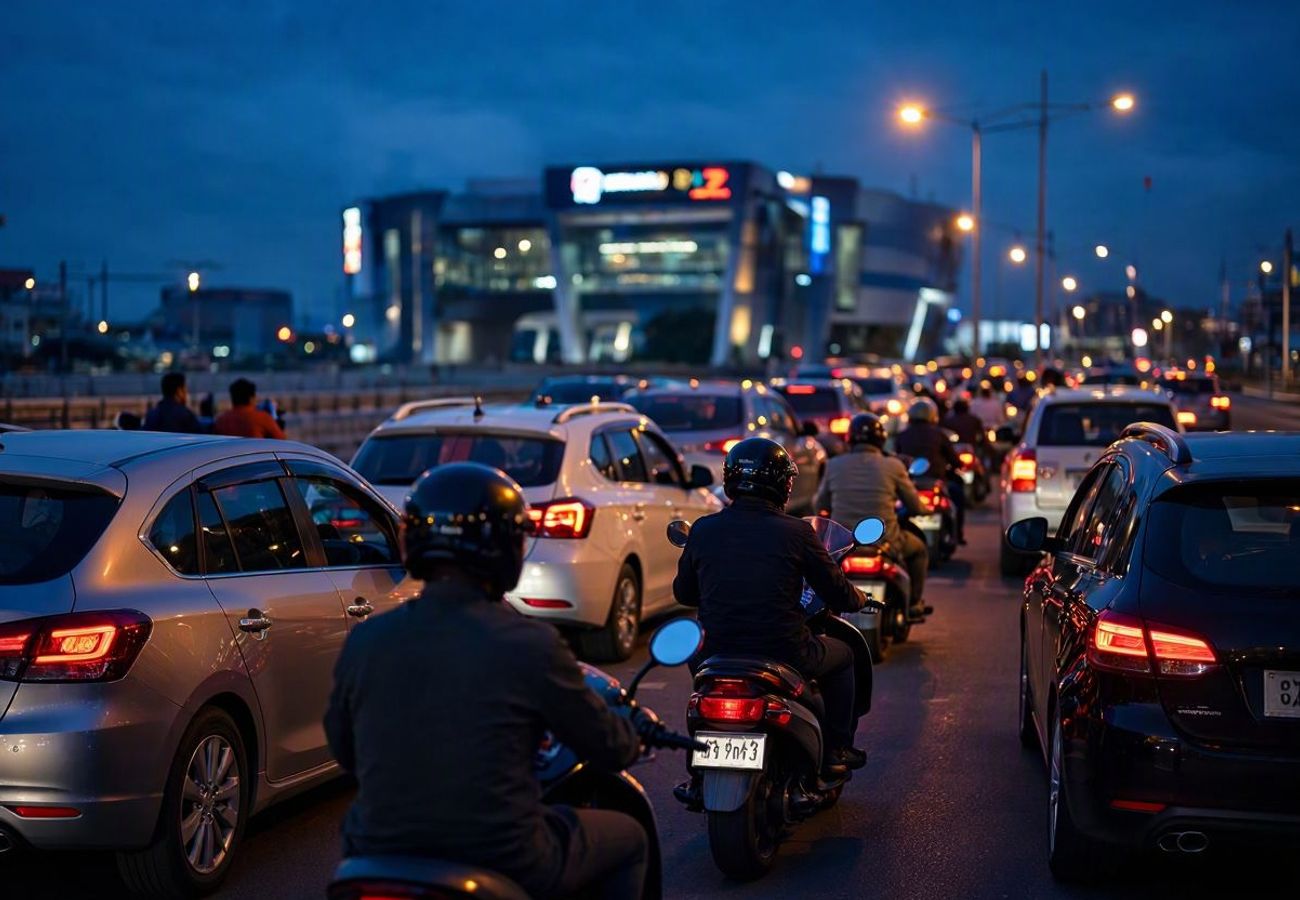
Image generated by AI
A 75% increase in motorcycle entry charges and a 42.9% spike for cars will precede the opening of the new Rapid Transit System (RTS) Link, as authorities shift the passenger service target to February 2027. This adjustment, announced on 2 October 2026, pushes back the original end-of-2026 timetable, forcing travelers to rely on existing road and bus networks for the upcoming holiday season.
Regulatory Hurdles and the February 2027 Target
While infrastructure on both the Singaporean and Malaysian sides is reported as substantially complete, the shift to February 2027 is a result of rigorous safety protocols. The window between now and the launch is dedicated to critical testing and commissioning.
The timeline for the final phase is strict: system tests and trial runs are scheduled for completion by 31 December 2026. However, the transition to active passenger service is not automatic. It requires a certification from an independent safety assessor, which must then be reviewed and approved by the respective transport authorities of both nations. Consequently, the February date remains a target contingent on safety clearance rather than a guaranteed start date.
Infrastructure Specifications and Border Logistics
The RTS Link is designed to bridge the gap between Woodlands North in Singapore and Bukit Char in Johor Bahru. This 4-kilometer stretch is engineered for high-efficiency transit, aiming to move 10,000 passengers per hour in each direction.
A significant shift in the traveler experience will be the "co-located" customs and immigration process. Passengers will clear customs, immigration, and quarantine (CIQ) checks at the departure station. This means once a traveler clears the gates at the origin, they will not need to repeat the process upon arrival at the destination. While the train journey itself is estimated at five minutes, the total transit time will still be dictated by station access and queue lengths.
The Singapore terminal will integrate directly with the Thomson-East Coast Line, facilitating easier movement into the city center.
Vehicle Entry Costs and Road Pricing Adjustments
For those who cannot wait for the rail link, driving across the border is becoming significantly more expensive. Starting 1 January 2027, the cost of entry for foreign-registered vehicles will rise sharply.
| Vehicle Type | Current Charge | New Charge (Jan 1, 2027) | Percentage Increase |
|---|---|---|---|
| Foreign-Registered Cars | S$35 | S$50 | 42.9% |
| Motorcycles | S$4 | S$7 | 75% |
| Foreign Goods Vehicles (Monthly) | S$40 | S$70 | 75% |
Additionally, the previous system of ten free days per year and weekday free hours is being abolished. While weekends and Singapore public holidays remain exempt from these specific hikes, a separate electronic road charge applies to vehicles without on-board charging units. The flat daily rate is S$10 for cars and S$3 for motorcycles. For Malaysian taxis, the on-board unit is mandatory, priced at S$158.70 (including tax) until 31 December 2026.
Expert Analysis: The Friction of Transition
For travelers booking trips between Singapore and Johor Bahru for late 2026, the direct consequence is a total reliance on the existing Causeway and Tuas Second Link. The delay of the RTS Link removes a critical "pressure valve" for border congestion during the peak December travel window.
The pricing pressure created by the January 2027 fee hikes suggests a strategic move by authorities to discourage private vehicle crossings and incentivize the eventual shift to rail. By increasing the cost of driving by up to 75%, the government is effectively pricing out casual day-trippers in favor of a more sustainable, mass-transit model.
Furthermore, the insistence on independent safety certification highlights the legal liability associated with cross-border rail. Any failure in the "clear once, travel twice" immigration model would create a diplomatic and security crisis. Therefore, the February target is a pragmatic buffer to ensure the International Air Transport Association (IATA) style of seamless transit is mirrored in land transport.
Key Takeaways
- Rail Timeline: Passenger services are now targeted for February 2027, pending safety certification due by 31 December 2026.
- Capacity: The link will move 10,000 passengers per hour each way across a 4km stretch in roughly 5 minutes.
- Driving Costs: Vehicle entry fees rise on 1 January 2027, with motorcycles seeing a 75% increase and cars a 42.9% increase.
- Immigration: A new "departure-side" clearance system will eliminate the need for arrival checks at the destination station.
- Entry Rules: The RTS Link does not change visa requirements; the SG Arrival Card and passport validity (6 months) remain mandatory.
FAQ: Singapore-JB RTS Link 2027
Do I need a new visa to use the RTS Link? No. The RTS Link is a transport system, not a change in immigration law. You must still adhere to existing visa requirements and submit your SG Arrival Card within three days of arrival.
Will the RTS Link be open for the December 2026 holidays? No. The current target for passenger services is February 2027. Travelers planning December trips must use existing bus or car transport.
Where do I go through immigration when using the RTS? You will complete all customs, immigration, and quarantine checks at your departure station (Woodlands North or Bukit Char) before boarding the train.
Are the new vehicle charges applicable on weekends? The increased entry charges for foreign-registered cars and motorcycles do not apply on weekends or Singapore public holidays.
The bridge is built, but the gates remain closed until the safety audits are signed.
Related Travel Guides
Disclaimer
This article is for informational and educational purposes only. It does not constitute legal, financial, or professional advice. While we strive to provide accurate and up-to-date information, travel policies, regulations, and conditions change rapidly. Always verify information with official sources before making travel decisions. Nomad Lawyer makes no representations about the accuracy, reliability, completeness, or suitability of the information provided. Readers should consult qualified professionals for advice specific to their circumstances. The views expressed in this article are those of the author and do not necessarily reflect the views of Nomad Lawyer.
Naina Thakur
Contributor & Travel Specialist
Travel enthusiast and legal writer covering visa regulations, responsible tourism, and cultural journeys across global destinations.
Learn more about our team →