
Iran United States: Second F-15E Airman Rescued in Easter Weekend Operation
US forces successfully extracted a second F-15E Weapons System Officer from remote Iranian terrain in a dramatic Easter weekend rescue operation. President Trump called the extraction an 'Easter miracle.' Travel and aviation impacts assessed.

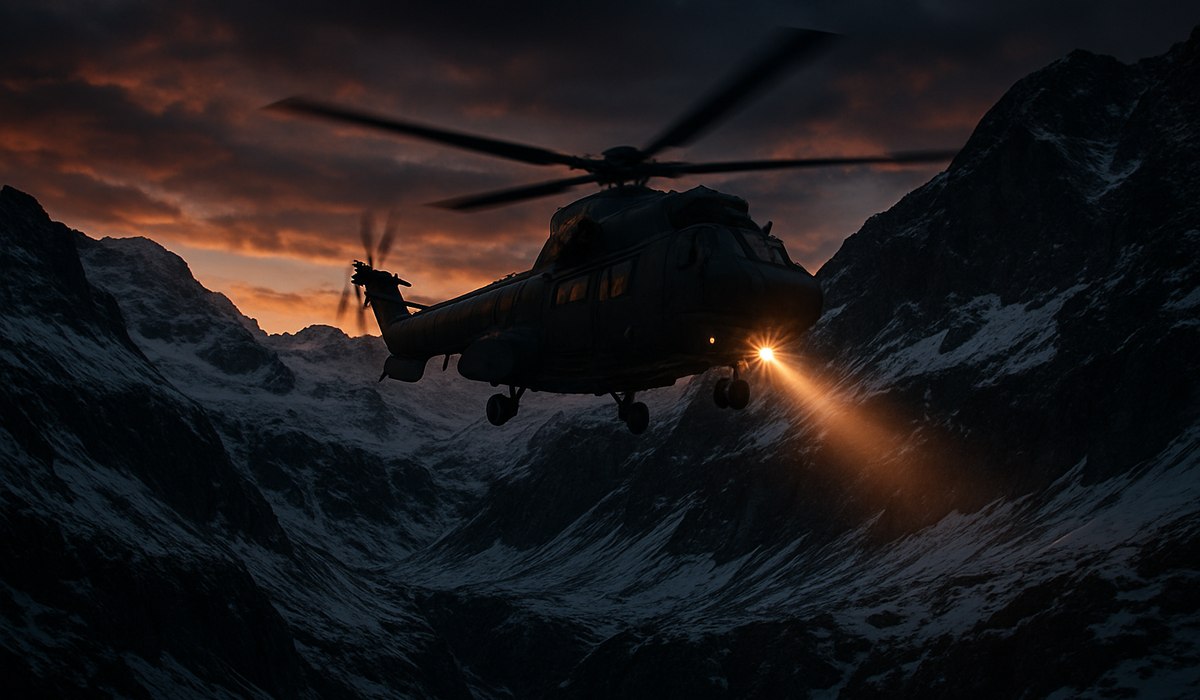
Image generated by AI
Breaking: Second Airman Successfully Extracted from Iran
The United States military has completed a high-stakes rescue operation in Iran, successfully extracting a second F-15E Weapons System Officer (WSO) from a remote mountain location. The extraction occurred during an Easter weekend operation that culminated in helicopter-based recovery from a precarious mountain crevice. President Trump characterized the successful outcome as an "Easter miracle," underscoring the operational complexity and risks involved. The incident began Friday when the F-15E Strike Eagle encountered difficulties over Iranian airspace, necessitating emergency procedures and activation of search and rescue protocols.
This dramatic rescue highlights ongoing Iran-United States tensions and their potential implications for regional aviation routes, international flight operations, and passenger safety protocols across Middle Eastern airspace.
The Daring Rescue Operation
The search and rescue mission unfolded across challenging terrain and geopolitical circumstances. Military personnel identified the stranded WSO's location within hours of the initial incident, positioning rescue assets for extraction. The remote mountain crevice where the airman sheltered presented significant logistical obstacles, requiring specialized helicopter insertion and extraction capabilities.
Coordination between multiple military branches and allied nations facilitated the operation's success. The extraction team navigated difficult altitude conditions and limited landing zones while maintaining operational security throughout the mission. Emergency medical personnel stood ready to address any injuries sustained during ejection or mountainside shelter.
The timing of the recovery—during the Easter holiday weekend—added symbolic weight to President Trump's characterization. Religious observance intersected with military achievement in a narrative that resonated across American political and cultural contexts. However, the operation's primary significance remains the safe return of military personnel despite substantial operational risks.
Iran-United States Relations and Aviation Safety
The F-15E incident marks an escalation in Iran-United States military engagements with direct implications for commercial aviation. Airlines operating across Middle Eastern routes face heightened scrutiny regarding flight paths, altitude restrictions, and real-time geopolitical monitoring. The FAA continually updates flight restriction areas (FRZs) and notices to airmen (NOTAMs) based on regional security assessments.
Commercial carriers including major US airlines have reviewed routing procedures to avoid sensitive airspace. While direct Iran-United States passenger flights remain prohibited under long-standing sanctions, charter operations and connecting flights through allied nations traverse proximity routes. Insurance premiums for aviation operations in contested airspace typically increase following military incidents.
Diplomatic channels have intensified following the incident. International aviation organizations monitor escalations that could affect freedom of navigation and standard flight corridors. Regional airlines based in adjacent countries closely coordinate with aviation authorities to maintain operational continuity.
Operational Timeline and Key Details
The sequence of events provides context for understanding the rescue's complexity and the risks undertaken:
| Aspect | Detail |
|---|---|
| Aircraft Type | F-15E Strike Eagle (two-seat fighter-bomber) |
| Incident Date | Friday, April 4, 2026 |
| Rescue Completion | Easter Weekend (April 5-6, 2026) |
| Location | Remote Iranian mountain terrain |
| Recovery Method | Helicopter extraction from mountain crevice |
| Personnel Status | Second WSO successfully extracted; airman condition stable |
| Presidential Acknowledgment | Trump statement regarding "Easter miracle" |
| Regional Implications | Iran-United States tensions affect aviation routes |
| Diplomatic Status | Ongoing international diplomatic assessment |
What This Means for Travelers
If you're planning flights through Middle Eastern regions or monitoring Iran-United States developments affecting air travel, these actionable steps protect your journey:
-
Monitor flight advisories: Check the US DOT and FAA websites for route-specific travel alerts before booking regional flights.
-
Verify airline routing: Contact your carrier directly to confirm flight paths avoid restricted airspace. Some airlines proactively communicate routing changes via email.
-
Purchase travel insurance: Comprehensive policies covering geopolitical events protect against cancellations or route diversions resulting from security escalations.
-
Track real-time conditions: Use FlightAware to monitor actual flight routes and identify routing variations from standard paths.
-
Register with embassy services: If traveling to Iran-adjacent nations, register with your country's embassy for emergency notification systems.
-
Allow extended layover time: Regional disruptions sometimes create cascading delays; build schedule buffers when connecting through affected zones.
-
Review airline refund policies: Understand your carrier's compensation procedures for Iran-United States-related cancellations or significant delays.
Frequently Asked Questions
How does the F-15E incident affect commercial airline operations? While military operations and commercial aviation operate separately, regional tensions escalate security protocols and can alter approved flight corridors. Airlines adjust routing to maintain safety margins from military activity zones. Check with your specific carrier for routing information.
Are direct flights from the United States to Iran available for passengers? No. Long-standing US sanctions prohibit direct commercial passenger flights between the United States and Iran. Travelers can only reach Iran through connecting flights via third-country carriers, typically routing through Turkey, Qatar, or United Arab Emirates.
What travel insurance covers geopolitical incidents? Comprehensive travel insurance policies include "cancel for any reason" (CFAR) provisions and coverage for airline-initiated cancellations due to security concerns. Review specific policy language regarding war clauses and geopolitical exclusions before purchasing.
How quickly do airline route changes occur following military incidents? The FAA can issue immediate flight restriction notifications through NOTAM systems within hours. Airlines typically implement routing adjustments within 24-48 hours after official guidance. Check your carrier's website or contact customer service for current routing information.
Related Travel Guides
- Cyberattacks Indian Travel Sector Surge Amid Peak Holiday Booking 2026
- Massachusetts Showcases Cambridge’s Acclaimed Toscanini’s Ice Cream as Business Insider Boosts Culinary Tourism: New Travel Alert
- Sonesta International Hotels Corporation Opens Red Lion Inn & Suites Bucyrus North in Ohio, Boosting Midwest Road Trip Travel and Crawford County Hospitality Options: Latest Update
Disclaimer
This article is for informational and educational purposes only. It does not constitute legal, financial, or professional advice. While we strive to provide accurate and up-to-date information, travel policies, regulations, and conditions change rapidly. Always verify information with official sources before making travel decisions. Nomad Lawyer makes no representations about the accuracy, reliability, completeness, or suitability of the information provided. Readers should consult qualified professionals for advice specific to their circumstances. The views expressed in this article are those of the author and do not necessarily reflect the views of Nomad Lawyer.
Kunal K Choudhary
Co-Founder & Contributor
A passionate traveller and tech enthusiast. Kunal contributes to the vision and growth of Nomad Lawyer, bringing fresh perspectives and driving the community forward.
Learn more about our team →