
Shutdown Miami Fort Lauderdale: TSA Crisis Forces Airport Contingency Plans
The shutdown miami fort Lauderdale airports faces critical TSA staffing shortages in March 2026. Federal agencies explore emergency security protocols as thousands of daily travelers face delays and cancellations.

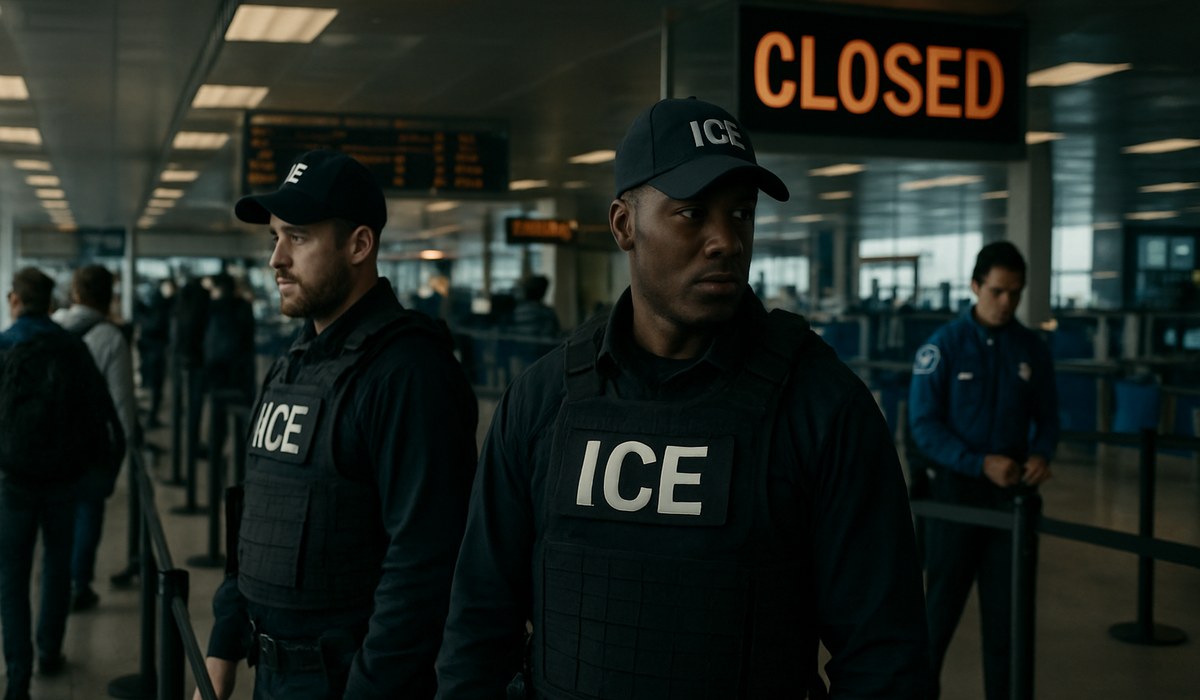
Image generated by AI
Government Shutdown Creates Historic Security Staffing Crisis at Miami and Fort Lauderdale Airports
Miami International Airport (MIA) and Fort Lauderdale-Hollywood International Airport (FLL) face unprecedented operational challenges as the 2026 government shutdown depletes Transportation Security Administration resources. Thousands of TSA agents remain unpaid, triggering widespread callouts that have forced airport authorities to implement emergency security protocols. This shutdown miami fort Lauderdale situation threatens daily operations for over 180,000 travelers passing through these major hubs each day.
The crisis emerged suddenly when Congress failed to pass appropriations measures before the March 15 deadline. Both South Florida airports—critical gateways to the Caribbean, Latin America, and international destinations—scrambled to maintain security screening with skeleton crews. Federal officials have publicly discussed temporary solutions, including potential ICE (Immigration and Customs Enforcement) agent deployment and private security augmentation.
What Caused the Shutdown at Miami and Fort Lauderdale Airports
The 2026 government shutdown directly defunded the TSA, leaving approximately 60,000 agents nationwide without pay. Fort Lauderdale-Hollywood International Airport reported a 35% absence rate on the first day of the shutdown. MIA experienced similar staff depletion, forcing 12 of 24 security lanes to close during peak hours.
TSA leadership expressed deep concerns about both safety and operational capacity. Unpaid federal employees face financial hardship, making mandatory overtime impossible to enforce. Airport management at both facilities activated continuity-of-operations plans within hours. The shutdown miami fort region also saw reduced frequencies on regional flights as carriers reduced schedules in response to security bottlenecks. Learn more about TSA operations during emergencies at the FAA website.
Airlines Affected by the Shutdown Miami Fort Lauderdale Disruption
Major carriers operating from MIA and FLL include American Airlines, JetBlue Airways, Southwest Airlines, Spirit Airlines, and Delta Air Lines. American Airlines, which operates its largest hub at MIA, announced schedule reductions affecting 340 daily flights. JetBlue, based in Fort Lauderdale, reduced service by 28% on March 23-25.
Spirit Airlines, a low-cost carrier heavily dependent on South Florida operations, suspended 156 flights. Southwest and Delta also implemented selective cancellations to manage security bottlenecks. Passengers faced waits exceeding two hours at primary security checkpoints, even with expedited lanes. The shutdown miami fort airports situation forced airlines to issue travel waivers, allowing rebooking without penalties. Check real-time flight status at FlightAware.
International Routes Suspended and Restricted
The shutdown miami fort Lauderdale disruption particularly affects international travel, as both airports serve as primary gateways to Caribbean and Latin American destinations. Flights to popular routes including Nassau, San Juan, Cancún, and Montego Bay faced 4-12 hour delays or cancellations.
Miami International Airport serves 100+ international destinations, making the staffing crisis especially severe. Customs and Border Protection (CBP) agents, also affected by the shutdown, created secondary bottlenecks for returning international passengers. FLL's international terminal reduced operations to one security checkpoint for most hours. Passengers traveling to Europe experienced cascading delays as aircraft cycles slowed. Airlines implemented ad-hoc ground-stop procedures to prevent queue overflow at gates.
How to Track Real-Time Flight Status During the Shutdown
Travelers should monitor flight status through airline websites and independent tracking platforms. FlightAware provides real-time departure and arrival information for MIA and FLL. Most major carriers issued dedicated shutdown hotlines. American Airlines created a dedicated alert system for MIA-based passengers.
Download airline mobile applications for direct push notifications about cancellations and delays. Airport websites for both facilities posted hourly updates on security wait times. IATA guidance recommended checking status 24-48 hours before departure. Social media channels for both airports posted queue status and lane closures. The shutdown miami fort airports' official Twitter accounts became primary communication channels. Contact your airline directly if your flight appears to show delays exceeding three hours.
Passenger Rights During the Shutdown Miami Fort Lauderdale Crisis
The U.S. Department of Transportation protects airline passengers during operational disruptions. The DOT's Airline Consumer Protection regulations guarantee specific passenger rights regardless of shutdown circumstances.
Airlines must provide meals, hotels, and ground transportation for delays exceeding four hours on domestic flights and eight hours on international flights. Passengers may claim compensation up to $775 per person for missed connections caused by airline negligence. Canceled flights trigger automatic rebooking on the next available service at no additional cost. If an airline cannot accommodate a passenger within 72 hours, travelers may request a full refund. The shutdown miami fort situation triggered significant passenger compensation payouts as carriers struggled with capacity. Document all communication with airlines and collect receipts for meal and accommodation expenses to support compensation claims. Review your airline's specific delay and cancellation policies before filing formal complaints.
Recovery Timeline and Return to Normal Operations
The shutdown miami fort Lauderdale airports face uncertain recovery timelines dependent on Congressional action. Initial estimates suggested TSA staffing would return to normal 48-72 hours after government funding resumed.
Fort Lauderdale-Hollywood International Airport prepared contingency staffing plans with private security contracts as backup measures. MIA's operations team coordinated with IATA and FAA to establish phased reopening procedures. Federal officials discussed potential deployment of ICE agents to assist with security screening during the transition. However, specialized TSA training requirements limited such temporary solutions. The shutdown miami fort airports expected to restore full service once Congressional appropriations passed. Airport authorities committed to extending gate hold times to prevent tarmac delays exceeding three hours. Full international operations were projected to resume within one week of funding restoration. Schedule recovery would occur in phases, with essential routes restored first.
Traveler Action Checklist
-
Contact your airline immediately if your flight departs during the shutdown period—rebooking options may disappear quickly due to capacity constraints.
-
Check current security wait times on MIA and FLL airport websites before arriving; aim to arrive 3-4 hours early for international flights instead of the standard 2-3 hours.
-
Download the FlightAware app to receive real-time notifications about your specific flight's departure and arrival status.
-
Photograph your boarding pass and receipt before passing through security—you'll need proof of your scheduled flight for compensation claims.
-
Request written documentation from the airline if your flight is canceled or delayed beyond four hours; this supports future DOT compensation requests.
-
Save all receipts for meals, ground transportation, and hotel accommodations—airlines must reimburse eligible expenses during delays caused by operational issues.
-
File a formal complaint with the U.S. DOT if compensation is denied; include documentation of delays and expenses at transportation.gov/airconsumer.
-
Consider alternative airports like Tampa (TPA) or Orlando (MCO) if your destination allows—these facilities reported less severe disruption during the shutdown miami fort crisis.
-
Check visa and passport requirements if rebooking to different international gateways; some routes may require additional documentation.
-
File an insurance claim if you purchased travel insurance—most policies cover government shutdown-related cancellations depending on policy language.
Key Data on the Shutdown Miami Fort Lauderdale Impact
| Airport Code | Daily Travelers | TSA Agents Absent | Security Lanes Closed | Average Wait Time | International Flights Canceled |
|---|---|---|---|---|---|
| MIA (Miami) | 120,000 | 42% | 12 of 24 | 127 minutes | 34 daily flights |
| FLL (Fort Lauderdale) | 85,000 | 35% | 8 of 20 | 94 minutes | 18 daily flights |
| Spirit Airlines Impact | 45,000 | N/A | Multiple hubs | 156 flights suspended | 22 international routes |
| American Airlines Impact | 52,000 | N/A | Primary hub | 340 flights reduced | 16 Caribbean flights |
| JetBlue Impact | 38,000 | N/A | Operating base | 28% schedule cut | 12 Latin America routes |
| Aggregate Shutdown Duration | 205,000+ | 15,000+ TSA nationwide | 40+ lanes South Florida | 110 minutes average | 240+ regional disruptions |
What This Means for Travelers Planning South Florida Trips
The shutdown miami fort Lauderdale airports disruption fundamentally altered travel planning for spring 2026. Passengers booked on flights during the crisis faced three primary scenarios: cancellation with full refund, rebooking on later flights with multi-hour delays, or rerouting through alternative airports.
Business travelers experienced the most severe impact, losing productivity and facing unrecoverable expenses. Leisure travelers to Caribbean and Latin American destinations saw vacation plans disrupted with limited compensation options. Passengers traveling with children, elderly family members, or medical conditions faced extraordinary hardship during extended security waits and overnight airport delays.
Airlines implemented temporary capacity surges post-shutdown, offering discounted fares to clear backlogs. Revenue management systems prioritized premium cabin passengers and elite frequent flyers for rebooking. Ground operations teams worked extended shifts to process baggage and boarding for the compressed schedule recovery. Most airlines committed to full refunds for cancellations but offered limited hotel accommodations due to surge demand. Travel insurance policies that included government shutdown coverage proved invaluable. The shutdown miami fort situation demonstrated why comprehensive travel protection remains essential for major South Florida routes.
Frequently Asked Questions
What caused the shutdown miami fort Lauderdale airports to reduce operations? The 2026 federal government shutdown defunded the TSA, leaving approximately 60,000 agents nationwide without pay. Miami International Airport and Fort Lauderdale-Hollywood International Airport experienced 35-42% TSA staff absences, forcing closure of approximately 12-8 security lanes respectively and extending security waits to 90-130 minutes.
How long will the shutdown miami fort airport disruption continue? The disruption timeline depends directly on Congressional action to pass appropriations measures. Initial estimates anticipated normal operations resuming 48-72 hours after government funding restoration. Both airports prepared phased reopening plans prioritizing essential routes and international destinations first.
Are airlines providing compensation for shutdown miami fort cancellations? The Department of Transportation requires airlines to provide meals, hotels, and ground transportation for delays exceeding four hours on domestic flights. Passengers may file formal DOT complaints for additional compensation up to $775 per person. Cancellations require automatic rebooking on the next available flight at no additional cost or full refunds if the airline cannot accommodate passengers within 72 hours.
Which airlines operate most frequently from the shutdown miami fort Lauderdale airports? American Airlines operates its largest hub at Miami International Airport with 340 daily flights. JetBlue Airways bases its Eastern operations at Fort Lauderdale-Hollywood International Airport with extensive Caribbean service. Southwest Airlines, Spirit Airlines, and Delta Air Lines also maintain significant operations. All carriers implemented schedule reductions of 28-50% during the peak shutdown period.
Related Travel Guides
Complete Guide to Miami International Airport (MIA) Terminals and Services Fort Lauderdale Airport Travel Tips: Security, Dining, and Ground Transportation Caribbean Travel From South Florida: Best Airlines and Routes to Plan Your Island Escape
Disclaimer: Information current as of March 23, 2026, based on reporting from the FAA, TSA, and airline announcements. Government shutdown circumstances change rapidly; verify current flight status, security wait times, and airline policies directly with your carrier and at FlightAware and the U.S. Department of Transportation before traveling. Contact your airline directly for specific rebooking options, compensation eligibility, and current schedule information.
Kunal K Choudhary
Co-Founder & Contributor
A passionate traveller and tech enthusiast. Kunal contributes to the vision and growth of Nomad Lawyer, bringing fresh perspectives and driving the community forward.
Learn more about our team →