
Legal Risks of Watching a Stranger's Bag at Airports: Why TSA and Security Experts Warn Against It
Discover the severe security and legal implications of watching a stranger's luggage at airports, including potential detention by federal agencies and the risk of being implicated in criminal activities.

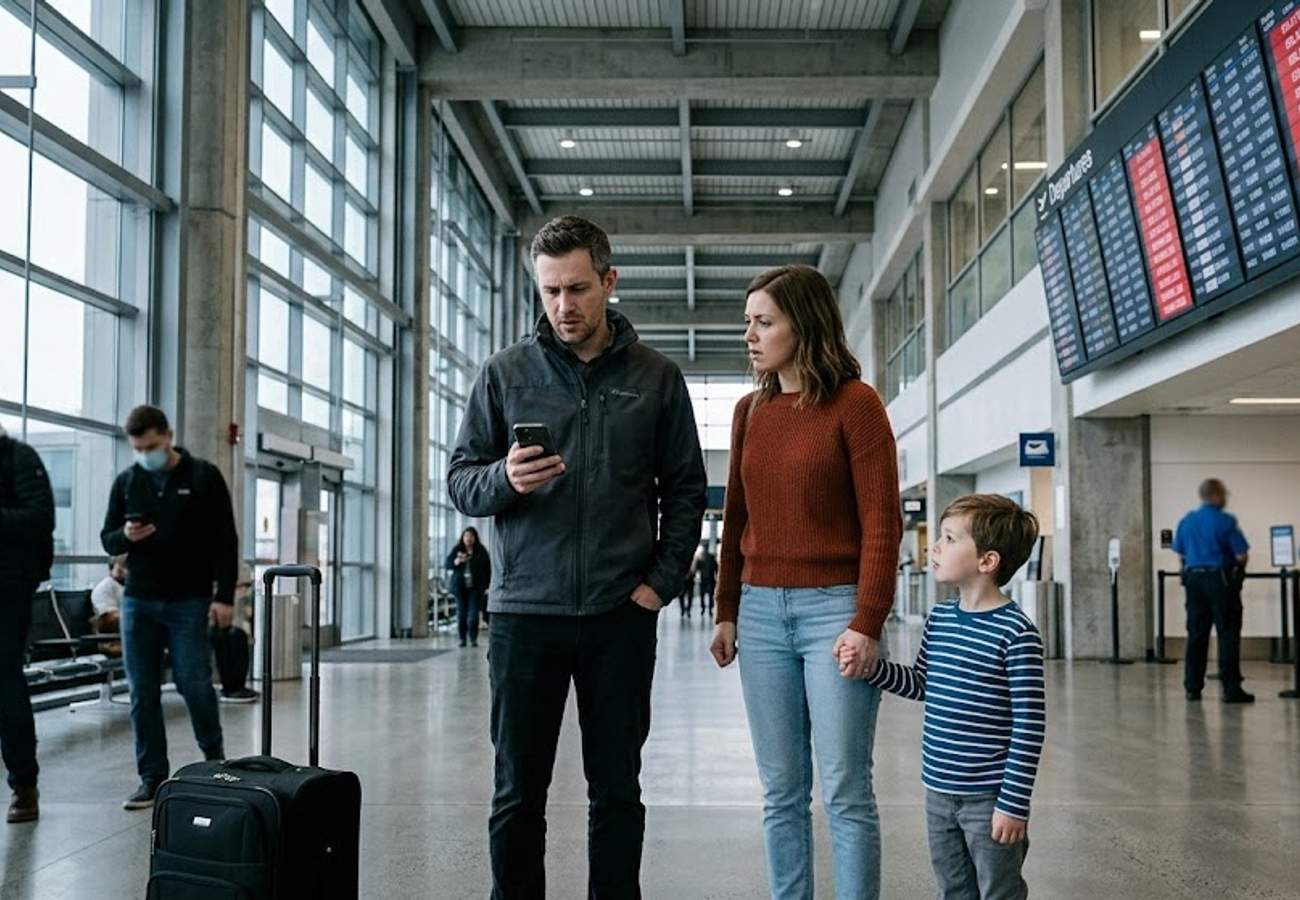
Image generated by AI
A simple gesture of kindness at an airport terminal—such as watching a stranger's carry-on while they visit a restroom—can unexpectedly lead to federal interrogation, missed flights, or criminal charges. While social media forums often debate the ethics of refusing such requests, aviation security professionals and law enforcement agencies maintain a strict "no-contact" policy regarding unattended luggage.
The tension between social etiquette and security protocol often peaks at boarding gates. Recent online discussions highlight passengers feeling "guilty" for refusing to assist others, such as parents with young children. However, industry experts argue that the perceived "small favor" carries disproportionate risks that far outweigh any social benefit.
Security Protocols Mandate Total Control of Belongings
Aviation staff, including flight attendants and ground crew, are trained to discourage passengers from taking custody of bags that do not belong to them. Industry sources, including former flight crew members and editors from aviation publications, emphasize that this is a critical security measure. Even if a bag has already passed through a Transportation Security Administration (TSA) checkpoint, it does not guarantee the contents are safe or legal.
The risk remains high because security screenings are not infallible. Human error or sophisticated concealment methods can allow prohibited items to enter the sterile area of an airport. By agreeing to watch a bag, a traveler inadvertently assumes responsibility for whatever is inside, potentially linking themselves to hazardous materials or illegal contraband.
Strategic Risks and the "Cover" Tactic
Modern airport security architecture, particularly in the United States, was fundamentally reshaped by the events of September 11, 2001. Before the creation of the TSA, airport access was significantly more relaxed, often allowing individuals to reach gates without a boarding pass. Today, the environment is designed to identify anomalies.
Security experts, including former Heathrow Airport officers, suggest that "kind strangers" can be used as unwitting shields. A suitcase left entirely alone is immediate grounds for a security sweep and evacuation. However, a suitcase standing next to a passenger is far less suspicious. Terrorists or criminals may use a bystander to "camouflage" a device or illegal shipment, ensuring the bag remains in the terminal longer without triggering an alarm.
Potential Legal and Criminal Complications
Beyond the threat of terrorism, taking custody of a stranger's luggage exposes travelers to several legal vulnerabilities:
1. Possession of Illegal Contraband If a bag contains narcotics, unregistered weapons, or other banned substances, the person currently in possession of the bag becomes the primary suspect. Authorities may not immediately distinguish between the owner and the "helper," leading to immediate detention and interrogation.
2. Fraud and Theft Allegations There is a significant risk of "reverse theft" or insurance fraud. A stranger may leave a bag in your care and later claim that high-value items were stolen while you were watching it. Conversely, they may plant stolen goods in the bag, making you the scapegoat during a police investigation.
3. Federal Questioning and Delays Even if no crime is committed, the mere act of being associated with a suspicious bag can trigger a security lockdown. This often results in the traveler being pulled aside for questioning, which can lead to missing a connecting flight or facing extensive delays.
Accountability and the Legal Framework of Detention
When a traveler accepts a bag, they are practically accepting legal accountability for its contents. If federal agents discover explosives or drugs, the "innocent bystander" must prove their lack of involvement. This process often involves invasive measures, such as swabbing clothes and skin for chemical residues or drug traces.
While there is no specific "Baggage Law," the situation falls under broader judicial interpretations of the Fourth Amendment of the U.S. Constitution, which governs unreasonable searches and seizures. However, the rules change depending on the agency involved.
Navigating Detention and Law Enforcement Interaction
If you find yourself detained because you were watching a bag, the following actions are recommended by legal observers:
| Your Action | Details |
|---|---|
| Remain Calm | Understand that officers are following a strict protocol to clear you as a suspect. |
| Be Transparent | Provide a detailed timeline, a physical description of the stranger, and the exact words used during the request. |
| Request Counsel | If the questioning becomes aggressive or leads toward charges, explicitly invoke your right to a lawyer. |
Agency Jurisdiction and Response Patterns
The entity that handles a suspicious bag depends entirely on the location within the airport and the nature of the threat. It is a common misconception that the TSA is a primary law enforcement agency; rather, they are a security screening agency.
| Physical Location | Agency Involved | Action Taken |
|---|---|---|
| Domestic Terminal / Public Areas | TSA | Coordinates with local airport police, FBI (for bombs), or DEA (for drugs). |
| International Arrivals / Preclearance | CBP | Directly detains individuals, seizes baggage, and conducts full investigations. |
Customs and Border Protection (CBP) officers operate under the "border search exception," meaning they have broader authority to conduct warrantless searches of persons and digital devices at international gateways compared to domestic police.
Why This Matters for the Modern Traveler
For the traveler, this situation creates a conflict between the desire to be helpful and the necessity of self-preservation. From a legal standpoint, the "burden of proof" can shift unexpectedly. While you may have simply been helping a parent with a child, the law views the physical possession of a bag as a strong link to its contents.
In a post-9/11 security climate, "social politeness" is not a valid legal defense against charges of transporting illegal materials. The most secure way to handle such a request is to politely decline and suggest that the person leave their bag with an official airport employee or a designated security station.
Prioritizing security over social convenience is the only way to ensure your journey remains uninterrupted.
Related Travel Guides
Disclaimer
This article is for informational and educational purposes only. It does not constitute legal, financial, or professional advice. While we strive to provide accurate and up-to-date information, travel policies, regulations, and conditions change rapidly. Always verify information with official sources before making travel decisions. Nomad Lawyer makes no representations about the accuracy, reliability, completeness, or suitability of the information provided. Readers should consult qualified professionals for advice specific to their circumstances. The views expressed in this article are those of the author and do not necessarily reflect the views of Nomad Lawyer.
Preeti Gunjan
Contributor & Community Manager
A passionate traveller and community builder. Preeti helps grow the Nomad Lawyer community, fostering engagement and bringing the reader experience to life.
Learn more about our team →