
Shikoku Island Logistics Guide 2026: Navigating the 88 Temple Pilgrimage and Regional Transit
Master the logistics of visiting Shikoku, Japan's smallest major island, including rail connections from Honshu, the 1,200 km Henro pilgrimage route, and prefecture-specific transport strategies for 2026.

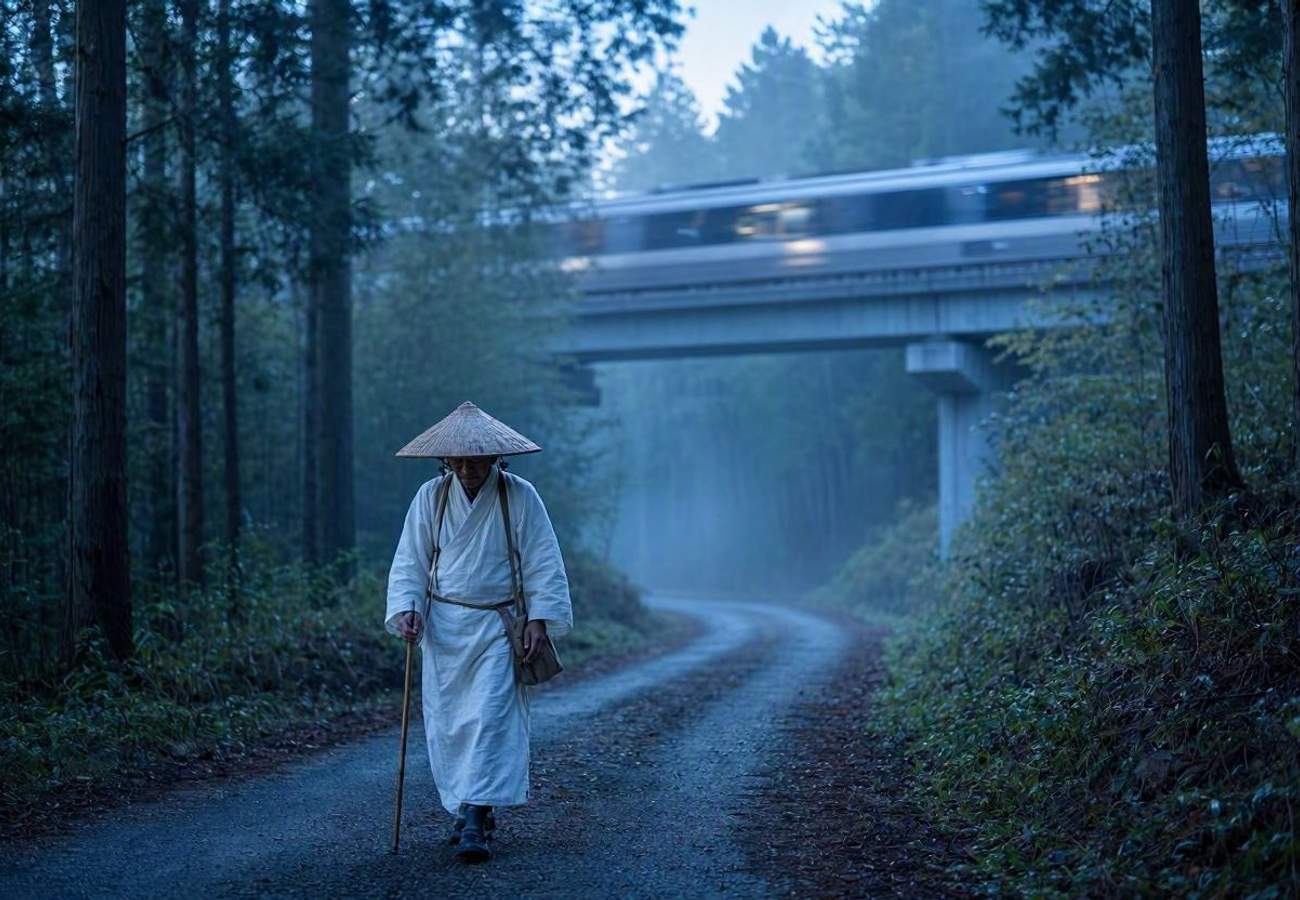
Image generated by AI
Planning a journey to Japan's smallest major island? Here is exactly how to handle the logistics of visiting Shikoku, from crossing the Seto Inland Sea to navigating the 1,200 km pilgrimage circuit.
The Shikoku Transit Framework
Shikoku operates differently than the neon-lit hubs of Tokyo or Osaka. Covering 18,300 square kilometres with a population of 3.8 million, the island is divided into four distinct prefectures: Tokushima, Kagawa, Ehime, and Kochi. Because the interior is heavily mountainous, transit is not uniform. While the coastal cities are well-linked by rail, reaching the deep forest shrines and rural hot springs requires a strategic mix of transport modes.
For the international traveler, the primary gateway is the JR Shikoku rail network, which integrates with the wider Shinkansen system on Honshu. The most efficient entry point is via the Seto-Ohashi Bridge, utilizing the Marine Liner rapid train to bridge the gap between Okayama and Takamatsu.
Regional Access and Connectivity
Depending on your point of origin, you will likely enter Shikoku via rail or one of the four regional airports. If you are arriving from Tokyo or Osaka, the rail connection through Okayama is the gold standard for efficiency.
| Entry Point | Primary Connection | Logistics Advantage |
|---|---|---|
| Okayama Station (Honshu) | Marine Liner Rapid Train | Direct rail link to Takamatsu; connects to Shinkansen |
| Takamatsu Station (Kagawa) | JR Shikoku Rail Hub | Central access to Kagawa and eastern island routes |
| Tokushima Airport | Domestic Flights | Fastest access to the start of the pilgrimage route |
| Takamatsu Airport | Domestic/Intl Flights | Primary air gateway for Kagawa prefecture |
| Matsuyama Airport | Domestic Flights | Direct access to Ehime's castles and hot springs |
| Kochi Ryoma Airport | Domestic Flights | Best for accessing Kochi's Pacific coastline |
Traveler Logistics Guide
Navigating Shikoku requires a departure from the "train-only" mindset common in Japanese travel. To optimize your itinerary, follow these step-by-step logistics strategies:
1. Connection Strategies from Honshu If you are staying in Osaka, Kyoto, or Hiroshima, take the Shinkansen to Okayama Station. From there, transfer to the Marine Liner. This avoids the need for domestic flights and allows you to use a Japan Rail Pass, which covers the crossing into Shikoku.
2. Managing the 88 Temple Pilgrimage (Henro) The full circuit is 1,200 km. Attempting this on foot is a months-long commitment. For the short-term traveler, I recommend "section-hopping." Use regional buses to reach a specific temple cluster, walk a 10-15 km segment, and then use a taxi or local bus to return to your base.
3. Ground Transport Selection
- For Foodies (Kagawa/Ehime): Stick to the rail network. Sanuki udon shops in Kagawa are often clustered near stations or accessible via short taxi rides.
- For Nature/Wellness (Kochi): Rent a car. Kochi's mountain forests and "forest bathing" (shinrin-yoku) spots are poorly served by public transit.
- For Cultural Sites (Tokushima): Combine rail with local bus loops.
4. Baggage Handling Do not carry heavy luggage on the pilgrimage routes. Use "Takuhaibin" (luggage forwarding services) to send your suitcases from your hotel in Takamatsu to your next base in Kochi or Matsuyama.
Regional Connectivity Impact
The integration of the Okayama–Takamatsu rail link has fundamentally changed how travelers perceive Shikoku. It is no longer an isolated destination but a viable extension of the "Golden Route" (Tokyo-Kyoto-Osaka). By linking the island to the high-speed rail network, travelers can now realistically combine the urban density of Hiroshima or Osaka with the spiritual silence of Shikoku’s mountain forests.
This accessibility is driving a shift toward "slow travel." Instead of rushing through ten cities, visitors are spending a week in a single prefecture—such as Ehime for its citrus culture and hot springs or Kochi for its seared bonito (Katsuo no tataki) and river landscapes.
FAQ: Shikoku Transit 2026
Do I need a rental car for Shikoku? For the coastal cities and main temples, rail and bus are sufficient. However, for Kochi’s interior forests and remote hot springs, a rental car is highly recommended as bus frequencies in rural areas are low.
How long does the 88 Temple Pilgrimage take? Walking the full 1,200 km takes approximately 40 to 60 days. Most tourists choose "section-walking," spending 3-5 days exploring a specific prefecture's temples via a combination of walking and local transport.
Can I use a Japan Rail Pass on the island? Yes, the JR Pass is valid on JR Shikoku trains, including the Marine Liner from Okayama. Check your specific pass tier to ensure coverage for limited express trains within the four prefectures.
What is the best way to get from Takamatsu to Kochi? The most reliable method is the JR limited express train. While slower than flying, it provides scenic views of the island's interior and drops you directly in the city center.
Leave the crowds of Kyoto behind and find your pace in the forests of Shikoku.
Related Travel Guides
Disclaimer
This article is for informational and educational purposes only. It does not constitute legal, financial, or professional advice. While we strive to provide accurate and up-to-date information, travel policies, regulations, and conditions change rapidly. Always verify information with official sources before making travel decisions. Nomad Lawyer makes no representations about the accuracy, reliability, completeness, or suitability of the information provided. Readers should consult qualified professionals for advice specific to their circumstances. The views expressed in this article are those of the author and do not necessarily reflect the views of Nomad Lawyer.
Preeti Gunjan
Contributor & Community Manager
A passionate traveller and community builder. Preeti helps grow the Nomad Lawyer community, fostering engagement and bringing the reader experience to life.
Learn more about our team →