
Security Features That Safeguard High-Value Assets Inside US Storage Units
Discover the critical security features that safeguard high-value assets inside US storage units, from biometric access and cylinder locks to 24/7 video surveillance.

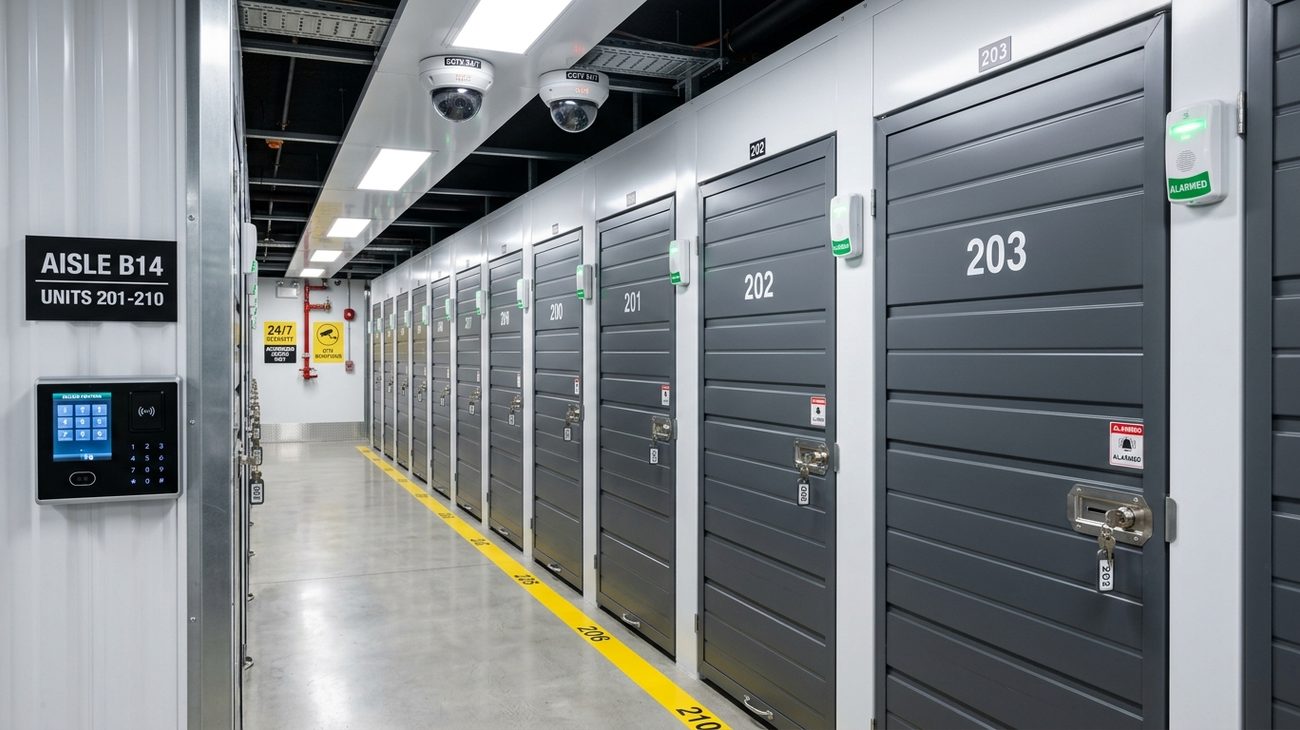
Image generated by AI
A collector storing rare artwork, a business owner protecting sensitive equipment, or a family safeguarding heirlooms—each faces the challenge of keeping high-value assets secure in off-site storage. The core concern is whether a storage unit can offer more than just a locked door. Modern American storage facilities now integrate advanced technology and strict protocols specifically designed to defend against theft, unauthorized access, and environmental threats. Understanding which security features are actually deployed—and how they work—helps anyone storing valuables make informed choices and avoid common risks.
Not all storage units offer the same level of protection. The decision to trust a facility with prized possessions hinges on the presence of specialized systems like electronic entry controls, surveillance cameras, alarmed units, and on-site staff. These features, working together, form multiple layers of defense around valuable assets. Knowing exactly what to look for can make the crucial difference between a secure US storage unit and one that exposes items to avoidable risk.
Advanced Access Control Systems At American Storage Facilities
Keypad access gates and electronic entry systems form the first barrier against unauthorized entry at many American storage sites. Customers receive personalized access codes or RFID cards that log every entry and exit, creating a clear record of who is on the property and when. This information can be vital if an incident occurs, as it provides a traceable log for both customers and facility managers.
Some facilities now use smartphone-enabled entry, allowing renters to manage access without physical keys or cards. These digital systems can be updated instantly, so lost keys or shared codes no longer compromise security. Comparing storage facility access control methods helps users understand which systems are most effective for their needs.
For those seeking secure US Storage Units, access control should extend beyond the main gate. Individual building doors and even certain high-security units may require a second code or credential, adding another layer of defense for especially valuable items.
Continuous Video Surveillance And Motion Detection Technologies
High-definition cameras positioned at entry points, hallways, and key outdoor areas provide continuous monitoring, recording activity throughout the facility. These surveillance systems act as both a deterrent and a tool for investigating incidents, as footage can be reviewed if theft or damage occurs.
Many modern setups include motion detection sensors that trigger alerts or spotlight cameras when unusual activity is detected after hours. This immediate response capability is especially important for high-value units, where a quick reaction can prevent a potential loss. Facility managers often use remote access to monitor live feeds, allowing for rapid intervention if necessary.
For renters comparing secure US Storage Units, facilities with both 24/7 video surveillance and active motion detection offer a significant advantage. The layered use of cameras and sensors increases the likelihood that suspicious behavior is caught and addressed promptly. Detailed explanations of video surveillance and motion sensor security clarify how these features contribute to overall protection.
Individual Unit Alarms And Heavy Duty Cylinder Locks
Unit-specific alarms provide a critical layer of security for tenants storing especially valuable assets. These alarms activate if the door is opened without proper authorization, immediately alerting on-site staff or an external monitoring service. The presence of a visible alarm discourages opportunistic break-ins, focusing attention on units with heightened protection.
Heavy duty cylinder locks are a preferred option for many high-value storage customers. Unlike traditional padlocks, these locks are designed to resist cutting, drilling, and picking, making forced entry far more difficult. Some facilities require renters to use a specific type of lock that meets set resistance standards, further standardizing security across their property.
When evaluating options like US Storage Units, renters should confirm whether individual alarms and approved lock types are available or required. This extra layer makes these facilities a strong choice for safeguarding expensive or irreplaceable belongings.
On Site Security Personnel And Facility Management Protocols
The presence of trained security staff on-site provides real-time oversight and rapid response to suspicious activity or emergencies. These personnel may conduct regular patrols, check entry logs, and assist with any access issues. Their visibility alone can deter would-be intruders who might otherwise target unattended facilities.
Facility management protocols play a major role in maintaining security standards. This includes daily inspections of perimeter fences, gate operations, and alarm systems, as well as strict rules about who can access which areas and when. Well-established procedures for responding to alarms or incidents mean that threats are addressed quickly and appropriately.
For renters seeking secure US Storage Units, facilities with both dedicated security staff and clearly documented management protocols offer an added level of confidence. Reviewing these protocols and the training background of on-site personnel helps renters gauge the professionalism and reliability of a facility’s security measures.
Conclusion
To protect high-value assets in storage, insist on multiple layers of security—advanced entry systems, constant video and motion monitoring, unit alarms, and on-site personnel. Always review a facility’s specific protocols and ask for demonstrations of security features before signing a rental agreement.
Related Travel Guides
Disclaimer
This article is for informational and educational purposes only. It does not constitute legal, financial, or professional advice. While we strive to provide accurate and up-to-date information, travel policies, regulations, and conditions change rapidly. Always verify information with official sources before making travel decisions. Nomad Lawyer makes no representations about the accuracy, reliability, completeness, or suitability of the information provided. Readers should consult qualified professionals for advice specific to their circumstances. The views expressed in this article are those of the author and do not necessarily reflect the views of Nomad Lawyer.
Raushan Kumar
Founder & Lead Developer
Full-stack developer with 11+ years of experience and a passionate traveller. Raushan built Nomad Lawyer from the ground up with a vision to create the best travel and law experience on the web.
Learn more about our team →