
Deer Population Regulation: Proven Guide for Hiring Deer Control Middle Tennessee Experts
A comprehensive guide to deer population regulation in Middle Tennessee, covering ecological impacts, humane deterrents, and hiring local deer control experts.

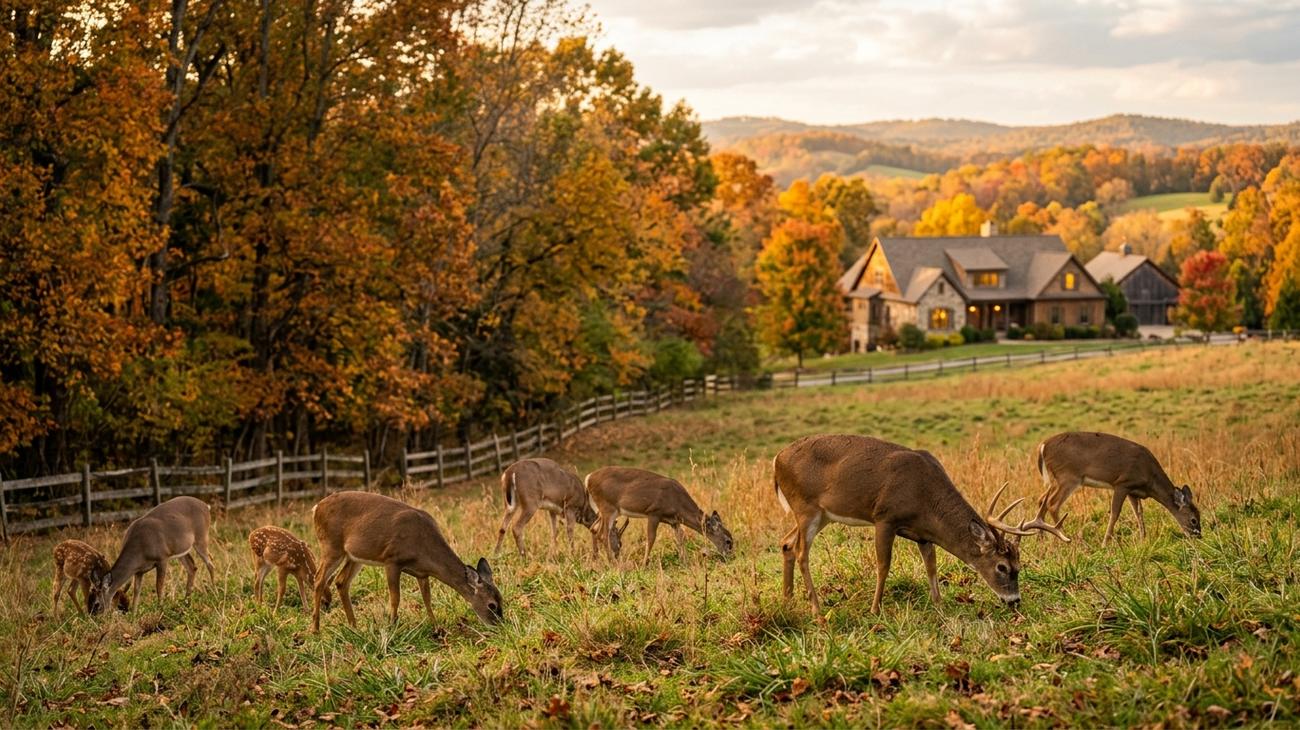
Image generated by AI
The deer population in Middle Tennessee has been rising, presenting significant challenges for communities and ecosystems. Overpopulation can lead to increased vehicle collisions, damage to local flora, and disruption of natural habitats. Hiring professional deer control services is essential to manage this issue effectively. This guide will explore the specific challenges faced in Middle Tennessee, outline effective strategies for deer regulation, offer insights into selecting the right experts, and discuss sustainable long-term solutions.
Deer Population Challenges in Middle Tennessee
Middle Tennessee's landscape provides an ideal habitat for deer, but this also means managing their numbers is crucial to maintaining ecological balance. Overpopulation can lead to severe consequences, such as increased road accidents and destruction of crops and native plants. According to the Tennessee Wildlife Resources Agency, there are thousands of deer-related vehicle collisions annually, highlighting the urgent need for effective management strategies. Moreover, unchecked deer populations can impact the local biodiversity. They often consume vegetation that other species rely on, which can lead to a decline in plant diversity and negatively affect other wildlife. This situation underscores the importance of implementing effective deer control measures tailored to local conditions, and seeking professional Deer Control Middle Tennessee services is a critical part of that approach.
Effective Strategies for Deer Control
Implementing a comprehensive deer control plan involves several strategies. One widely recognized approach is the use of Wildlife Rehabilitation Permits, which allow for the safe handling and relocation of deer. This permits wildlife professionals to manage populations without causing harm to the animals, aligning with Animal Welfare Act Compliance.
Another strategy includes habitat modification, such as altering the landscape to make it less attractive to deer. This could involve planting deer-resistant flora or installing physical barriers. Additionally, controlled hunting and sterilization programs are sometimes employed to manage population size responsibly.
For communities in Middle Tennessee, partnering with local experts who understand these strategies and have experience with the regional wildlife can significantly enhance the effectiveness of deer control efforts.
Choosing the Right Deer Control Experts
Selecting qualified deer control professionals is crucial for successful population management. Key factors to consider include the experts' adherence to ethical Euthanasia Protocols and their experience with local wildlife regulations. Professionals with Animal Behaviorist Certification can provide valuable insights into deer habits and effective deterrents.
When searching for services, it is beneficial to look for those that have a proven track record in the area. For instance, engaging with Deer Control Middle Tennessee can offer specialized knowledge and tools tailored to regional challenges. Their expertise in using humane and sustainable methods is an asset to any community facing deer overpopulation.
Furthermore, checking for references and client reviews can provide assurance of the service quality and effectiveness. Ensuring that the experts are licensed and insured is another critical step in the selection process.
Long-term Solutions for Sustainable Deer Management
Sustainable deer management requires long-term planning and community involvement. One method is the development of Enrichment Programs that focus on maintaining ecological balance. These programs can include educational initiatives to raise awareness about coexistence with local wildlife and the importance of biodiversity.
Regular monitoring and data collection through Zoonotic Disease Monitoring can help track health trends within the deer population and prevent potential outbreaks that could affect other species or humans. Additionally, leveraging technology such as Microchip Scanning Devices can aid in tracking and managing individual animals more effectively.
Ultimately, a combination of strategic planning, professional expertise, and community participation is necessary for successful long-term deer management. By adopting these approaches, Middle Tennessee can ensure a harmonious coexistence between humans and wildlife.
Conclusion
Addressing deer overpopulation in Middle Tennessee is critical for safety and ecological health. By understanding regional challenges, employing effective control strategies, and selecting skilled experts, communities can manage deer populations sustainably. The proactive approach outlined in this guide ensures that local ecosystems remain balanced and thriving.
Related Travel Guides
Disclaimer
This article is for informational and educational purposes only. It does not constitute legal, financial, or professional advice. While we strive to provide accurate and up-to-date information, travel policies, regulations, and conditions change rapidly. Always verify information with official sources before making travel decisions. Nomad Lawyer makes no representations about the accuracy, reliability, completeness, or suitability of the information provided. Readers should consult qualified professionals for advice specific to their circumstances. The views expressed in this article are those of the author and do not necessarily reflect the views of Nomad Lawyer.
Raushan Kumar
Founder & Lead Developer
Full-stack developer with 11+ years of experience and a passionate traveller. Raushan built Nomad Lawyer from the ground up with a vision to create the best travel and law experience on the web.
Learn more about our team →