
Seattle Winter Tourism 2026: Nordic Festivals and Maritime Events Drive Holiday Market Growth
Seattle's 2026 winter season signals a strategic shift toward immersive, heritage-driven tourism with the 77th Christmas Ship Festival and expanded Nordic celebrations.

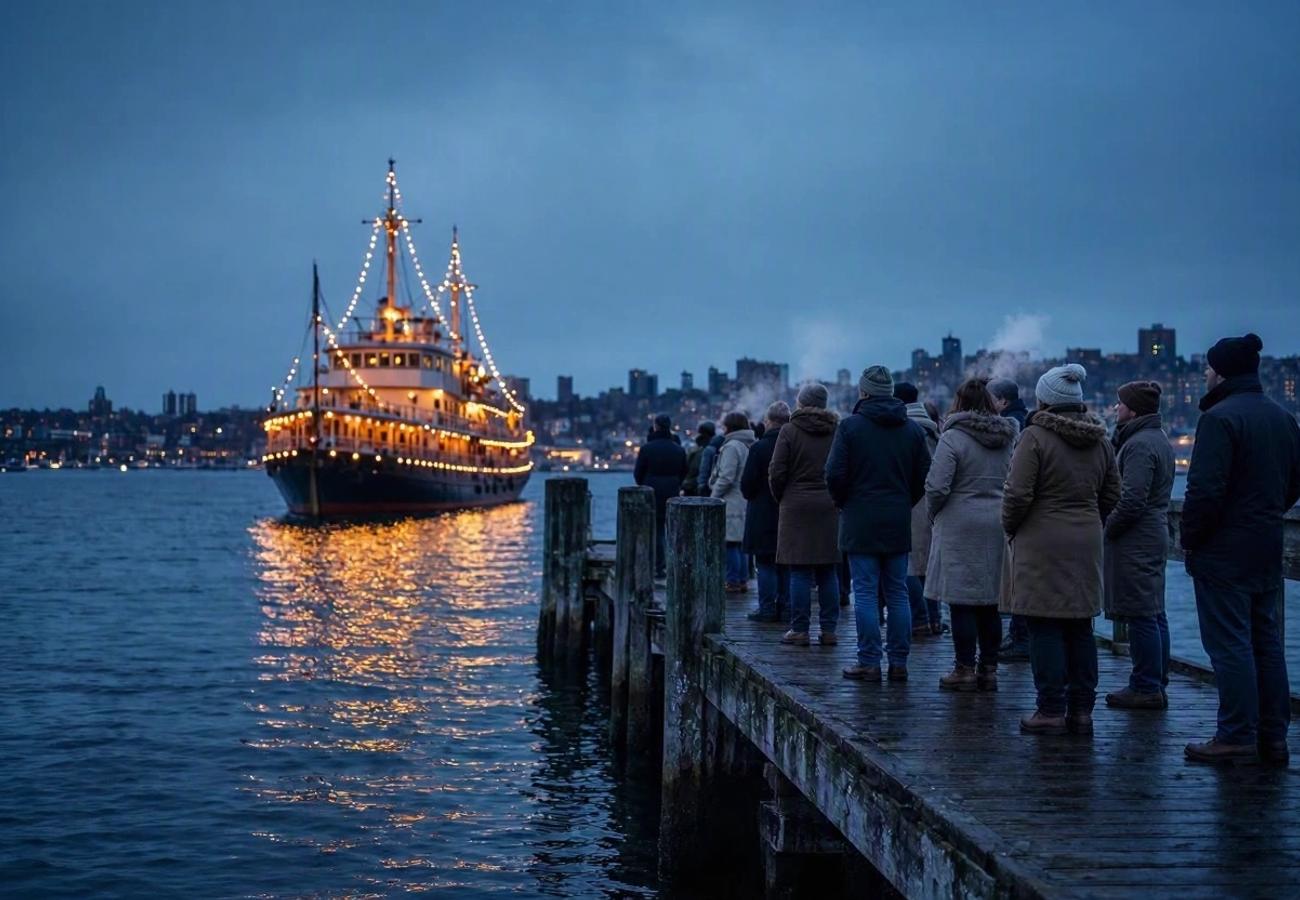
Image generated by AI
Seattle's winter tourism capacity is expanding through a diversified portfolio of "experience-led" attractions, with the Argosy Cruises Christmas Ship Festival now entering its 77th year. This longevity reflects a broader North American trend where legacy events are being leveraged to stabilize Q4 occupancy rates, moving away from generic holiday decor toward high-engagement, culturally specific programming.
The 2026 Winter Calendar in Numbers
The 2026 holiday slate in Seattle demonstrates a calculated spread of events designed to capture different traveler demographics, from high-spend luxury guests to family-oriented domestic tourists. The data reveals a heavy concentration of activity between late November and late December, creating a peak demand window for the city's hospitality sector.
Key operational dates include the Christmas Ship Festival (November 27 to December 23) and the Seattle Center Winterfest (November 27 to December 31). The scale of these events is significant; the Christmas Ship tradition now integrates more than 40 waterfront communities across the Puget Sound, including Edmonds, Everett, Kirkland, and Des Moines.
Retail-driven tourism is anchored by the 31st annual Magic in the Market at Pike Place Market, starting November 28, and the European-style Seattle Christmas Market at Fisher Pavilion (November 20 to December 27). The shift toward "immersive retail" is most evident in the introduction of Christmas Towne at Westlake Center, a 20,000-square-foot installation featuring three themed neighborhoods and hourly snowfall effects.
Regional Benchmarks and Market Shifts
Seattle is increasingly positioning itself as a "Nordic Hub" for winter travel, utilizing its regional heritage to differentiate itself from the traditional holiday markets of the East Coast. The National Nordic Museum's Julefest (November 20-22) and the Winter Native Art Market (November 21-22 and December 19-20) represent a move toward niche, identity-based tourism that attracts a more intentional, culturally curious traveler.
According to data from the World Travel & Tourism Council (WTTC), there is a growing global preference for "authentic" local experiences over standardized tourist attractions. Seattle's integration of Indigenous art and Scandinavian customs aligns with this shift.
Comparative Event Scale: Seattle Winter 2026
| Event Category | Key Attraction | Duration/Scale | Primary Driver |
|---|---|---|---|
| Maritime | Christmas Ship Festival | 77th Edition / 40+ Communities | Heritage & Tradition |
| Retail | Christmas Towne | 20,000 Sq Ft / Immersive | Experience-Based Shopping |
| Cultural | Nordic Julefest | 3-Day Intensive | Ethnic Heritage |
| Hospitality | Gingerbread Village | 32nd Annual / Sheraton Grand | Art & Philanthropy |
| Nature | WildLanterns Zoo | Nov 13 - Jan 17 | Night-Economy Tourism |
What This Means for Travelers
For those planning a visit to the Pacific Northwest in Q4 2026, the data suggests a highly compressed peak period. The convergence of the Christmas Ship Festival and the 31st Magic in the Market creates a high-density travel window from November 27 to December 23.
Booking Strategy:
- Accommodation: Given the high-profile displays at the Fairmont Olympic and Sheraton Grand Seattle, luxury hotel inventory will tighten. Booking 12-16 weeks in advance is recommended for these specific properties.
- Transportation: With 40+ waterfront communities involved in the ship festival, travelers should avoid relying on central Seattle transit during the "Parade of Boats" and instead utilize regional shuttles to reach outskirts like Des Moines or Everett.
- Budgeting: Many of the high-draw events, such as the Seattle Center Winterfest and the Festival of Trees, are free, allowing travelers to offset the higher seasonal costs of flights and lodging.
For real-time flight availability and pricing trends during this peak window, consulting OAG can help identify the most cost-effective entry points into Seattle-Tacoma International Airport (SEA).
Projection: The Rise of the "Night Economy"
The trajectory of Seattle's winter offerings suggests a strategic pivot toward the "night economy." The expansion of WildLanterns at the Woodland Park Zoo (running until January 17) and the Pathway of Lights at Green Lake (December 12) indicates that the city is successfully extending the tourist day.
By creating high-value evening attractions, Seattle is increasing the average length of stay (ALOS) for winter visitors. We expect to see a further increase in "after-dark" programming in 2027, likely including more augmented reality (AR) integrations within the 20,000-square-foot immersive zones like Christmas Towne. This trend mirrors global patterns seen in cities like Tokyo and London, where nighttime illumination festivals have become primary revenue drivers.
FAQ: Seattle Winter Travel 2026
When is the best time to visit for the most events? The window between November 27 and December 20 is the peak, as it overlaps the Christmas Ship Festival, Winterfest, and the primary markets.
Are there free activities available for families? Yes. Seattle Center Winterfest offers free movie nights and performances, and the Festival of Trees at the Fairmont Olympic is free to the public.
Which events are best for cultural experiences? The Nordic Julefest at the National Nordic Museum and the Winter Native Art Market at Daybreak Star provide the deepest cultural insights.
Will hotel prices increase during the festivals? Yes, demand typically spikes during the "Magic in the Market" and "Christmas Ship" windows. Early booking is essential for the downtown core.
Seattle is no longer just a rainy winter stop; it is a calculated destination for heritage-driven holiday luxury.
Related Travel Guides
Disclaimer
This article is for informational and educational purposes only. It does not constitute legal, financial, or professional advice. While we strive to provide accurate and up-to-date information, travel policies, regulations, and conditions change rapidly. Always verify information with official sources before making travel decisions. Nomad Lawyer makes no representations about the accuracy, reliability, completeness, or suitability of the information provided. Readers should consult qualified professionals for advice specific to their circumstances. The views expressed in this article are those of the author and do not necessarily reflect the views of Nomad Lawyer.
Naina Thakur
Contributor & Travel Specialist
Travel enthusiast and legal writer covering visa regulations, responsible tourism, and cultural journeys across global destinations.
Learn more about our team →