
Seattle-Tacoma International Airport Infrastructure Crisis: Heavy Rain Triggers Ground Stop and Ceiling Leaks in 2026
A severe thunderstorm at Seattle-Tacoma International Airport caused a total ground stop and significant terminal leaks, highlighting critical infrastructure needs at the aging Pacific Northwest hub.

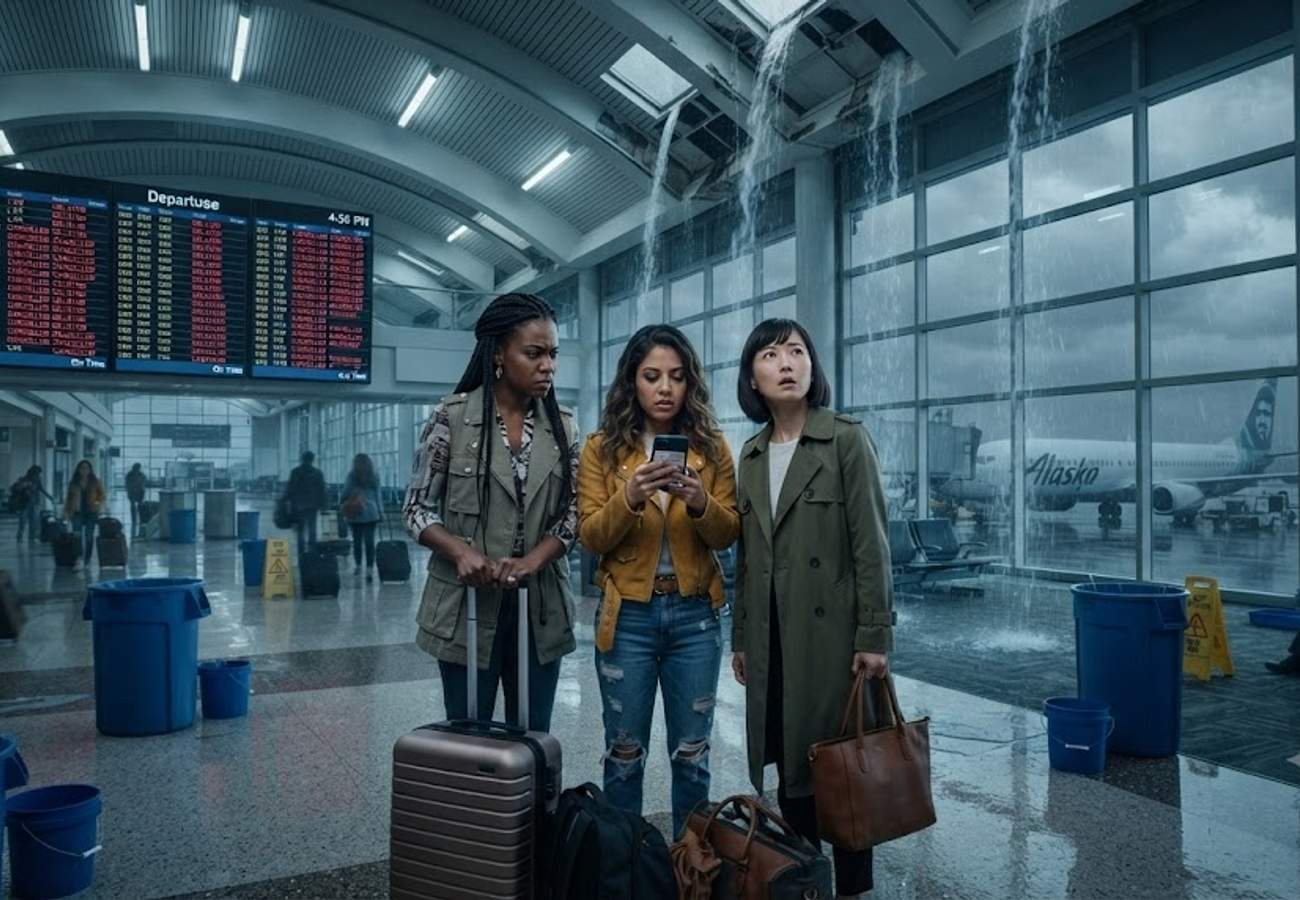
Image generated by AI
A violent storm in western Washington recently turned a transit hub into a rain zone, as infrastructure failures at Seattle-Tacoma International Airport (SEA) left passengers drenched inside the terminal.
The Local Trend Revealed: Infrastructure Under Pressure
On Thursday, July 16, 2026, the Federal Aviation Administration (FAA) was forced to implement a ground stop at Seattle-Tacoma International Airport (SEA) starting at approximately 9:45 a.m. The decision followed a surge of thunderstorms and lightning across the region. While the ground stop was lifted by 11:30 a.m., the aftermath revealed a significant vulnerability in the airport's physical plant.
Video evidence captured by travelers showed rainwater pouring directly from the ceiling of the B Concourse onto passenger seating areas. Airport staff attempted to mitigate the flooding using trash cans as makeshift catch-basins, but the volume of water leaking through multiple ceiling sections rendered these efforts ineffective.
The B Concourse, an 800-foot-long facility that opened in December 1964 to expand the airport's capacity to 19 gates, is now facing scrutiny. The incident has sparked a wider conversation regarding the necessity of major renovations for the aging infrastructure to prevent future operational failures during the Pacific Northwest's volatile weather cycles.
Operational Impact and Data Analysis
Despite the relatively short duration of the FAA ground stop, the ripple effects were felt globally. According to FlightAware data, SEA recorded the third-highest number of delays worldwide on the day of the storm.
SEA Operational Disruptions: July 16, 2026
| Metric | Figure | Percentage/Detail |
|---|---|---|
| Delayed Departures | 481 | 66% of all operations (Highest worldwide) |
| Delayed Arrivals | 371 | 51% of all arrivals |
| Canceled Flights | 9 | Total departing cancellations |
The FAA notes that weather remains the primary cause of air traffic delays in the National Airspace System. Because pilots must navigate around the tallest, most turbulent cloud tops of intense storms, routes become congested, often requiring ground delay programs to minimize airspace overcrowding.
Cultural & Environmental Value (Information Gain)
The reaction from the local community highlights a unique cultural stoicism associated with the Pacific Northwest. Local travelers on social platforms described the leaks as an "immersive Seattle experience," reflecting a regional identity deeply intertwined with rain.
From a sustainability and urban planning perspective, the SEA incident underscores the importance of "climate-proofing" aviation hubs. As extreme weather events increase in frequency, regional conservation bodies and city planners are advocating for green infrastructure—such as permeable surfaces and advanced stormwater management systems—to reduce the load on aging airport drainage and roofing systems. Supporting local engineering firms specializing in sustainable retrofitting is now seen as a critical path for maintaining the economic viability of the region's primary gateway.
Visitor Insider Tips
Navigating SEA during the stormy season requires more than just an umbrella. To minimize stress and avoid the "indoor rain" experience, consider these local strategies:
- The "First Flight" Rule: Prioritize the first departure of the morning. These flights are statistically more resilient to the cascading delays that typically peak in the afternoon.
- Avoid Mid-Day Hub Connections: If your itinerary includes connections at weather-sensitive mega-hubs like Atlanta (ATL), Chicago O'Hare (ORD), or Newark (EWR), avoid afternoon slots.
- Strategic Buffering: When booking connecting flights, budget a minimum of two hours between arrivals and departures to account for ground stops.
- Real-Time Monitoring: Use official FAA airspace tools rather than relying solely on airline apps, which can sometimes lag in updating ground stop status.
- Local Etiquette: In Seattle, "rain gear" is a lifestyle. Even inside the terminal, having a waterproof layer or a small travel umbrella is a practical choice during the autumn and winter months.
Tourism Outlook
The long-term impact of these infrastructure failures may accelerate a comprehensive modernization plan for the B Concourse and surrounding facilities. For the traveler, this means potential construction disruptions in the coming years, but a more reliable, weather-resistant hub in the long run. As the FAA continues to target mega-hubs for ground stops to prevent airspace saturation, the pressure on SEA to upgrade its facility is no longer just about passenger comfort—it is about maintaining the efficiency of the entire U.S. West Coast aviation corridor.
A reminder that even in the most modern hubs, nature often finds a way inside.
Related Travel Guides
Disclaimer
This article is for informational and educational purposes only. It does not constitute legal, financial, or professional advice. While we strive to provide accurate and up-to-date information, travel policies, regulations, and conditions change rapidly. Always verify information with official sources before making travel decisions. Nomad Lawyer makes no representations about the accuracy, reliability, completeness, or suitability of the information provided. Readers should consult qualified professionals for advice specific to their circumstances. The views expressed in this article are those of the author and do not necessarily reflect the views of Nomad Lawyer.
Kunal K Choudhary
Co-Founder & Contributor
A passionate traveller and tech enthusiast. Kunal contributes to the vision and growth of Nomad Lawyer, bringing fresh perspectives and driving the community forward.
Learn more about our team →