
Schengen Border Control Alerts 2026: How to Avoid Missed Connections in France, Germany, and Austria
Temporary border controls across 29 Schengen nations are impacting rail and road transit in October 2026. Learn how to adjust your connection times and documentation to avoid costly travel disruptions.

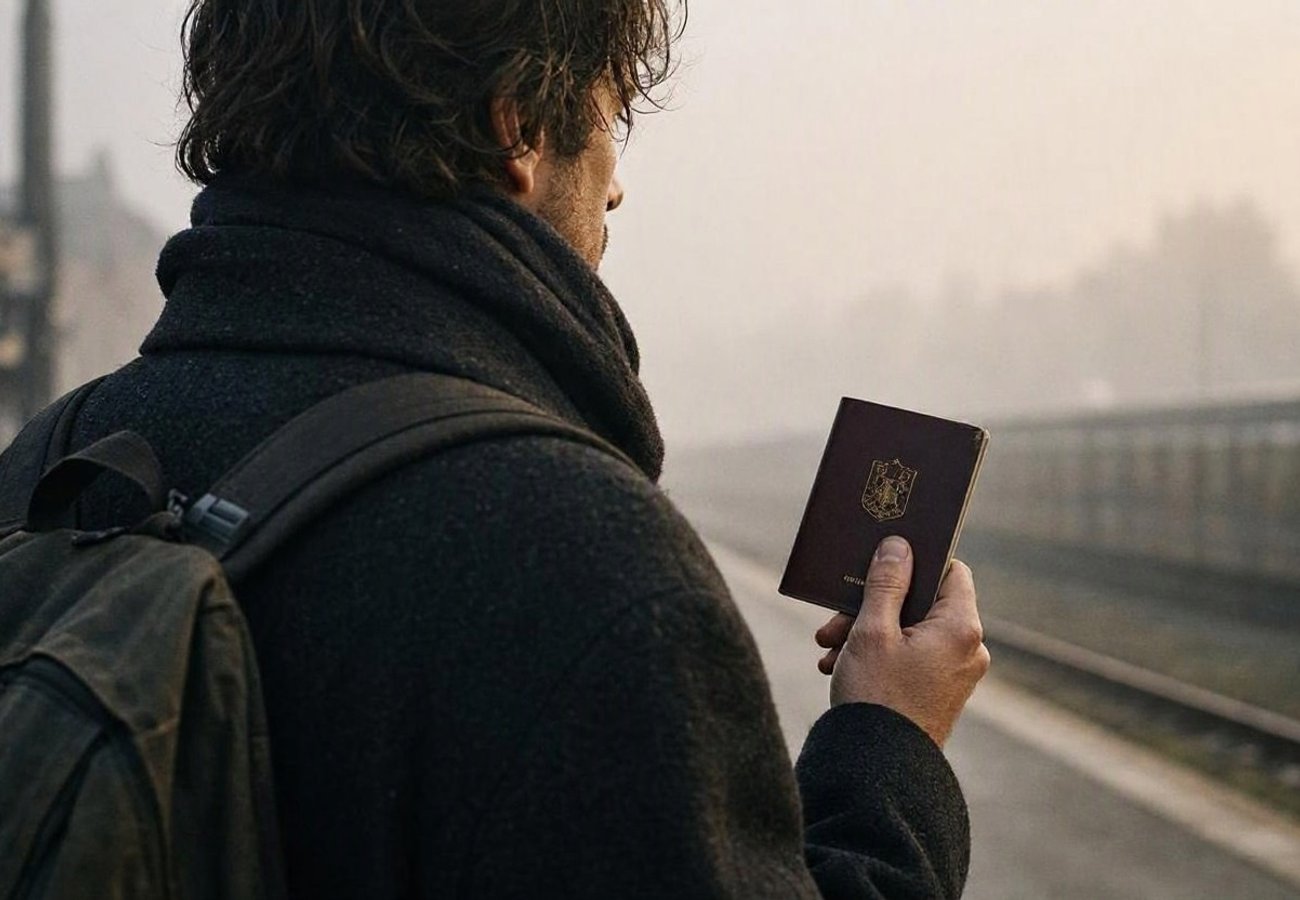
Image generated by AI
Are you planning a multi-city European itinerary this autumn? If your route includes France, Germany, or Austria, the traditional "passport-free" experience is currently interrupted by temporary security measures that could jeopardize tight connections.
Temporary Border Reinstatements in the Schengen Zone
While the Schengen Area typically allows for fluid movement across 29 European destinations, several member states have reactivated internal border checks to manage security and irregular migration. For the traveler, this means that the assumption of a seamless, stop-and-go journey is no longer a safe bet for October 2026.
The European Commission maintains a register of these temporary measures, which are currently impacting major tourism corridors. The most significant disruptions are occurring in Central and Western Europe, where high-speed rail and international highways are subject to spot checks and identity verifications.
Regional Transit Constraints and Control Windows
The following table outlines the specific countries currently enforcing temporary controls and the duration of these measures.
| Country | Border Focus / Neighboring States | Control Period | Status |
|---|---|---|---|
| Germany | France, Belgium, Netherlands, Luxembourg, Denmark, Poland, Czechia, Austria, Switzerland | Sept 16, 2026 – March 15, 2027 | Active |
| France | Various Schengen neighbors, air and maritime ports | Through Oct 31, 2026 | Active |
| Austria | Czechia, Slovakia, Hungary, Slovenia | Through March 15, 2027 | Active |
| Poland | Germany, Lithuania | Ongoing | Active |
| Denmark | Various Schengen neighbors | Through Nov 2026 | Active |
| Sweden | Various Schengen neighbors | Through Nov 2026 | Active |
Traveler Logistics Guide
When moving through the Schengen zone during this period of heightened security, your margin for error is slim. Follow these step-by-step logistics strategies to ensure your itinerary remains intact.
1. Recalibrate Your Connection Windows If you have booked separate tickets for international rail or flight legs, do not rely on the minimum connection time suggested by booking apps. For high-risk corridors—such as Paris to Frankfurt or Munich to Salzburg—allow a buffer of 60 to 120 minutes. This provides a safety net for unexpected onboard document inspections or station delays caused by border police.
2. Document Readiness Even if you are traveling within the Schengen zone, you are legally required to carry a valid travel document. Ensure your passport is readily accessible, not packed in checked luggage. For those utilizing the Entry/Exit System (EES), ensure your digital records are up to date to speed up any potential spot checks.
3. Route-Specific Warnings
- The Alpine Corridor: Travelers moving between Germany, Austria, and Italy should account for both border checks and seasonal weather disruptions in mountain passes.
- The Low Countries: Routes connecting Paris, Brussels, and Amsterdam remain efficient but are subject to the temporary French controls ending October 31, 2026.
- The Baltic-Central Link: Pay close attention to the Poland-Lithuania border, where identity checks are more frequent.
4. Understanding the "Schengen vs. EU" Distinction Logistically, being in the European Union is not the same as being in the Schengen Area. For example, Ireland and Cyprus are EU members but operate outside the Schengen zone. If your trip includes these nations, you will face full immigration processing regardless of temporary internal EU measures.
Regional Connectivity Impact
The expansion of the Schengen Area on January 1, 2025, to include Bulgaria and Romania has opened new corridors in Southeastern Europe. However, the current trend of temporary controls in the "core" (Germany, France, Austria) creates a paradoxical travel experience: while the zone is geographically larger, the actual movement is more fragmented.
For the frequent traveler, this means a shift in strategy. The era of "blindly booking" tight transfers is over. You must now treat internal Schengen borders with the same logistical respect as external borders, particularly when using road transport or regional trains where officers may board the vehicle to conduct sweeps.
FAQ: Schengen Transit 2026
Do I need a transit visa for these border checks? No. If you hold a valid uniform Schengen short-stay visa or are from a visa-exempt country, you do not need additional visas for these temporary checks. You simply need to present your valid passport.
How long are the delays at the border? Delays vary. Most spot checks are brief, but if a train is held for a full passenger sweep, it can add 15-30 minutes to a journey. This is why a 60-120 minute connection buffer is recommended.
Can I still travel without a passport between France and Germany? No. While routine checks may not happen every time, you are legally required to carry valid identification. Failure to produce a passport during a temporary control can lead to significant delays or fines.
Are airports affected by these temporary controls? Yes. France and other nations have extended controls to relevant air and maritime connections, meaning you may encounter identity checks even when flying between Schengen cities.
Plan for the delay, and you will never actually experience it.
Related Travel Guides
Disclaimer
This article is for informational and educational purposes only. It does not constitute legal, financial, or professional advice. While we strive to provide accurate and up-to-date information, travel policies, regulations, and conditions change rapidly. Always verify information with official sources before making travel decisions. Nomad Lawyer makes no representations about the accuracy, reliability, completeness, or suitability of the information provided. Readers should consult qualified professionals for advice specific to their circumstances. The views expressed in this article are those of the author and do not necessarily reflect the views of Nomad Lawyer.
Preeti Gunjan
Contributor & Community Manager
A passionate traveller and community builder. Preeti helps grow the Nomad Lawyer community, fostering engagement and bringing the reader experience to life.
Learn more about our team →