
Albania Tourism Faces 0.7% Slump Amid Global Energy Crisis and US-Iran Conflict: How Strait of Hormuz Tensions and Rising Oil Prices Are Squeezing Balkan Arrivals and Redrawing the Mediterranean Travel Map
Albania has recorded a 0.7% decrease in international arrivals in early 2026, as the global energy crisis and Strait of Hormuz tensions drive up aviation fuel costs and induce traveler caution across the Mediterranean.

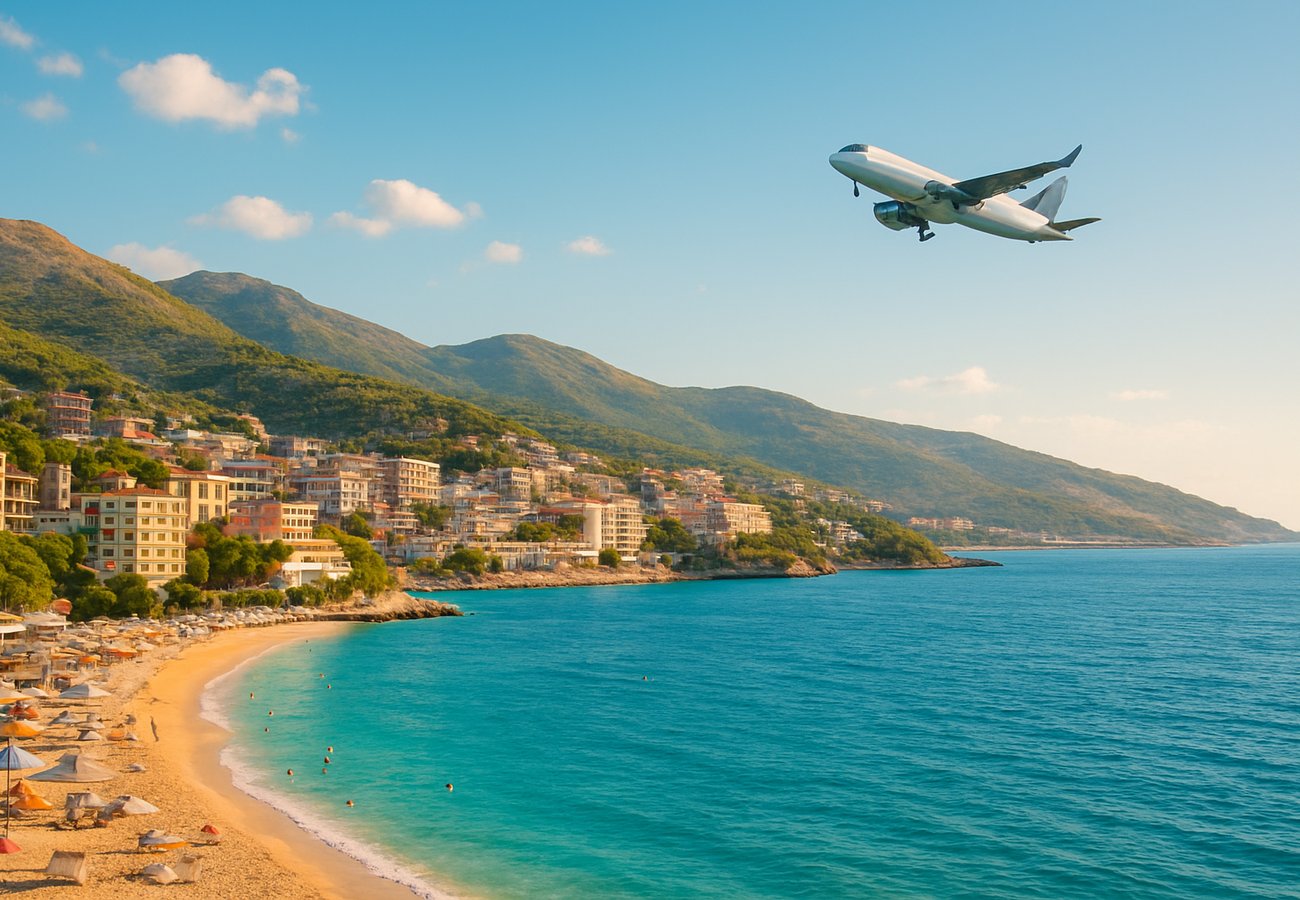
Image generated by AI
Quick Summary
- Arrivals Dip: Albania recorded a 0.7% decrease in international tourist arrivals for January and February 2026 compared to the previous year.
- Fuel Overhead: Skyrocketing oil prices and domestic inflation are the primary catalysts for rising travel costs to the Balkan region.
- Energy Defiance: The slump occurs amid the global energy crisis and the US-Iran conflict, which have disrupted global maritime and aviation fuel supply chains.
- Regional Squeeze: Intense competition from Greece, Croatia, and Turkey is further narrowing the market for budget-conscious travelers.
- Geopolitical Friction: Tensions in the Strait of Hormuz and maritime shipping disruptions have inflated the cost of goods and services within Albania’s hospitality sector.
- Source: Albania Institute of Statistics (INSTAT) Tourism Performance Report, May 7, 2026.
TIRANA — In a development that serves as a cautionary tale for the Mediterranean travel market, Albania’s once-unstoppable tourism growth has hit a significant geopolitical roadblock. According to breaking data released on May 7, 2026, the country has recorded a 0.7% slump in international arrivals for the first two months of the year. This downturn is being analyzed by senior global affairs and energy journalists as a direct consequence of the US-Iran conflict and the persistent threat of a Strait of Hormuz closure, which continue to drive oil prices to record highs and squeeze the discretionary income of European travelers.
Expanded Overview: The Balkan "Value Proposition" Under Siege
The 0.7% decline in international arrivals marks a sharp departure from the record-breaking growth Albania experienced in 2024 and 2025. While the country has successfully marketed itself as a "hidden gem" of the Adriatic, the sheer weight of the global energy crisis has begun to erode the budget-friendly advantage that Tirana and Saranda relied upon. As aviation fuel surcharges mount and the cost of regional logistics spikes, travelers from traditional markets like the UK, Germany, and Italy are becoming increasingly cautious about their 2026 vacation spending.
Geopolitical Context: Navigating the Strait of Hormuz and Mediterranean Volatility
The broader geopolitical landscape in 2026 has been dominated by the standoff in the Strait of Hormuz. As Saudi Arabia, the UAE, and Qatar work to stabilize global energy flows, the resulting volatility has created a "geopolitical tax" on all forms of movement. Albania, while physically distant from the Persian Gulf, is deeply integrated into the European economic grid, which is currently reeling from high energy costs. The US-Iran conflict has further complicated regional stability, making travelers more risk-averse when choosing destinations outside the traditional "safe havens" of Western Europe.
Global Energy Impact: Why Budget Destinations are Bearing the Brunt
Rising oil prices have fundamentally redrawn the travel map for 2026.
- Aviation Surcharge: Low-cost carriers (LCCs) that fueled Albania’s boom are facing massive operational hikes, leading to higher ticket prices that deter spontaneous budget trips.
- Local Inflation: The cost of transport within Albania—from buses to car rentals—has seen double-digit increases, directly linked to the higher cost of diesel and gasoline.
Shipping and Trade Impact: The Supply Chain Burden on Hospitality
The ongoing shipping disruption in global maritime routes has made the procurement of hospitality goods and infrastructure materials more expensive.
- Hotel Overhead: Accommodation providers are facing higher costs for maintenance, energy, and service improvements, contributing to a slight rise in room rates that further alienates the budget market.
- Operational Strain: Smaller, tourism-dependent enterprises in the Albanian Riviera are finding it harder to weather the impact of declining arrivals and rising input costs.
Regional Impact: Competition in a "Scarcity" Market
As travel demand becomes more selective, the competition among Mediterranean neighbors has intensified.
- The Big Three: Greece, Croatia, and Turkey are leveraging their more well-established tourism infrastructures and greater international brand recognition to capture the "safe" segment of the market.
- Balkan Synergy: Albania, Montenegro, and North Macedonia are increasingly looking toward regional cooperation and "cross-border" packages to mitigate the impact of the global energy crisis.
Industry / Expert Analysis: Why the Albania Slump Matters Globally
Tourism and economic analysts at Reuters and Bloomberg suggest that Albania’s 0.7% decline is a "canary in the coal mine" for the wider Balkan market. In an era where the global energy crisis makes every movement expensive, destinations must offer more than just "low prices"—they must offer resilient infrastructure and high-value experiences. The success of Albania’s future depends on its ability to transition from a "budget" destination to a "niche value" destination that can command a premium despite rising energy costs.
What Happens Next: Reversing the Decline in late 2026
As the country looks toward the peak summer season, several key developments are expected:
- Digital Transformation: Investing in "zero-friction" online booking systems and virtual tours to reduce the barriers to entry for international visitors.
- Niche Diversification: Moving away from "sun and sea" toward wellness tourism, culinary tours, and high-end eco-adventure packages in the northern mountains.
- Regional Cooperation: Joint marketing campaigns with Italy and Greece to attract tourists who are already visiting the "safe" Mediterranean hubs.
Conclusion: Reinforcing the Global Risk and Balkan Reward
Albania’s tourism slump in early 2026 is a testament to the power of global risk in the 21st century. By failing to isolate its travel sector from the headwinds of the global energy crisis and the geopolitical fallout of the US-Iran conflict, the nation is facing a challenging year for growth. As the world watches the Middle East, Albania stands at a crossroads, proving that resilience and innovation are the only ways to survive in a world of shipping disruptions and high energy costs.
Key Takeaways: Albania Tourism 2026
- Statistic: 0.7% drop in international arrivals (Jan-Feb 2026).
- Driver: High oil prices and Strait of Hormuz shipping disruptions.
- Competition: Greece, Croatia, and Turkey are capturing the "safe" market share.
- Impact: Rising operational costs for hotels and tour operators.
- Strategy: Pivot toward niche value (wellness, eco-adventure) and digital transformation.
- Outlook: Cautiously optimistic for summer, provided regional energy costs stabilize.
Related Tourism Reports
- Balkan Resilience: Why Montenegro and North Macedonia are Teaming Up
- The Mediterranean Map: How Energy Costs are Redrawing Vacation Lanes
- Albanian Riviera 2026: A Guide to Value Travel Amid Global Volatility
Disclaimer: All international arrival data and tourism performance statistics are manually obtained from the Albania Institute of Statistics (INSTAT) official reports as of May 7, 2026.
Kunal K Choudhary
Co-Founder & Contributor
A passionate traveller and tech enthusiast. Kunal contributes to the vision and growth of Nomad Lawyer, bringing fresh perspectives and driving the community forward.
Learn more about our team →