
Saudi Arabia Leads Middle East Aviation Capacity Growth in H2 2026
Saudi Arabia recorded 7.9 million scheduled seats in August 2026, leading regional aviation growth as domestic travel capacity expands by 7.6%.
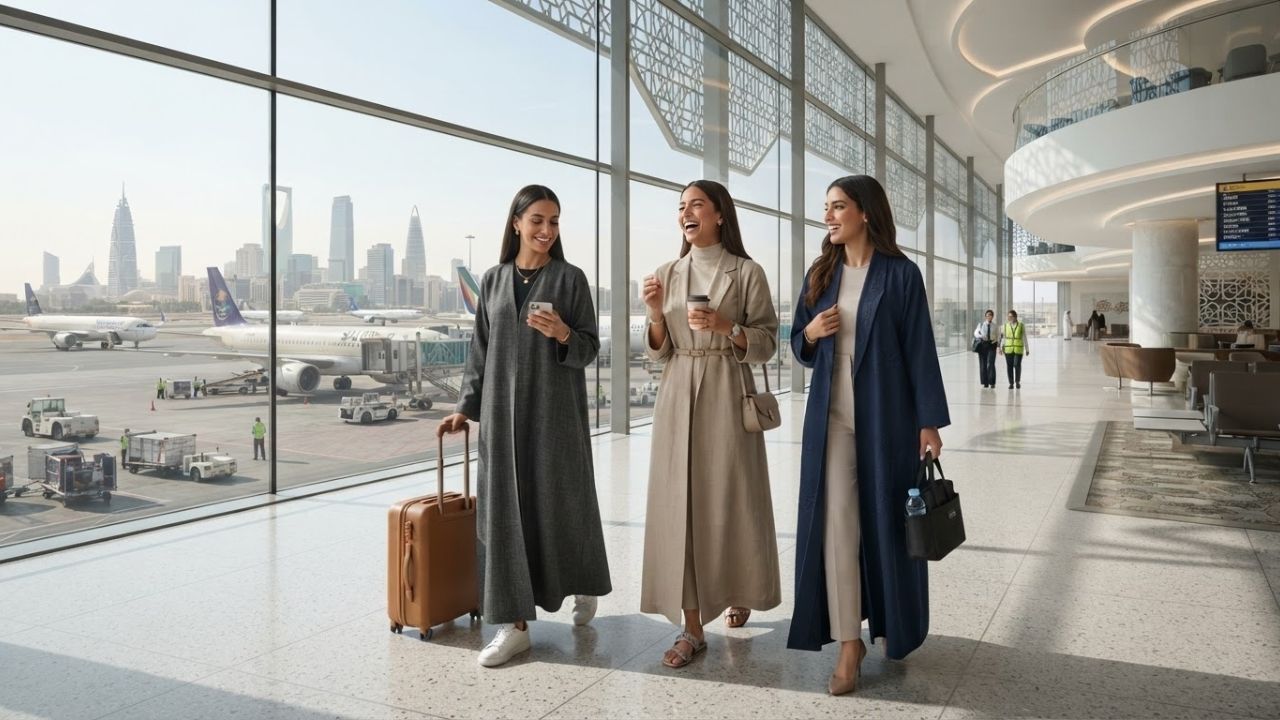
Image generated by AI
With 7.9 million scheduled seats available in August 2026, Saudi Arabia has emerged as the largest aviation market in the Middle East, growing by 4.1% year-on-year.
Regional Aviation Capacity Realignment
Middle East aviation networks are undergoing a significant transition. According to August 2026 scheduled capacity data from OAG, the regional market has recorded a total of 38.2 million scheduled seats, representing a 5% decline compared to August 2025.
This drop is driven by international capacity adjustments, which fell by 6.7% to 33.1 million seats. Conversely, regional domestic networks are expanding, growing by 7.6% to reach 5 million seats, reflecting a shift toward domestic travel and localized connectivity.
Saudi Arabia Leads Growing Markets
Saudi Arabia's aviation expansion has outpaced other Gulf markets, driven by major infrastructure investments and growing tourist arrivals in Riyadh and Jeddah.
The Kingdom achieved the highest overall capacity in the region with 7.9 million scheduled seats. Israel also recorded significant capacity growth, increasing by 18.5% year-on-year to 1.5 million seats.
Conversely, the United Arab Emirates saw scheduled seat capacity fall by 10.9% to 7.2 million. Despite this decline, Dubai International Airport (DXB) remains the busiest regional gateway, handling 4.54 million scheduled seats.
Airport and Airline Performance
The realignment of carrier schedules is modifying capacity shares among the region's top airlines and transit hubs. Emirates remains the largest carrier in the Middle East with 3.02 million seats, followed closely by Saudi Arabian Airlines with 2.97 million seats.
Several carriers achieved positive growth, including Etihad Airways (+8.7%), flyadeal (+10%), and Royal Jordanian (+13.5%). The following tables outline the capacity segments and performance metrics.
Data Tables
Regional Capacity Segments
| Middle East Capacity Segment | Scheduled Seats (August 2026) | Year-on-Year Capacity Change |
|---|---|---|
| International Capacity | 33.1 million | -6.7% |
| Domestic Capacity | 5.0 million | +7.6% |
| Total Regional Capacity | 38.2 million | Approximately -5% |
Country Aviation Capacity
| Country Destination | Scheduled Seats (August 2026) | Annual Capacity Change |
|---|---|---|
| Saudi Arabia | 7.9 million | +4.1% |
| United Arab Emirates | 7.2 million | -10.9% |
| Qatar | 2.7 million | -8.3% |
| Israel | 1.5 million | +18.5% |
| Oman | 1.0 million | -4.5% |
Airport Passenger Capacities
| Airport Gateway Hub | Scheduled Seats (August 2026) | Year-on-Year Capacity Change |
|---|---|---|
| Dubai International (DXB) | 4.54 million | -15.2% |
| Doha Hamad International (DOH) | 2.66 million | -8.3% |
| Zayed International (AUH) | 1.68 million | +0.3% |
| Tel Aviv Ben Gurion (TLV) | 1.42 million | +15.8% |
| Muscat International (MCT) | 760,000 | -5.9% |
Airline Operator Seats
| Airline Carrier | Scheduled Seats (August 2026) | Year-on-Year Capacity Change |
|---|---|---|
| Emirates | 3.02 million | -10.8% |
| Saudi Arabian Airlines | 2.97 million | -5.1% |
| Qatar Airways | 2.68 million | -5.3% |
| Etihad Airways | 1.39 million | +8.7% |
| flyadeal | 1.25 million | +10.0% |
| Royal Jordanian | 530,000 | +13.5% |
Key Takeaways
- Saudi Arabia takes first place: Reaching 7.9 million seats (+4.1%), the Kingdom leads the regional travel market, supported by strong capacity growth in Riyadh.
- Domestic travel growth: Domestic capacity across the Middle East grew by 7.6%, while international capacity fell by 6.7%.
- Busiest airports: Dubai International (DXB) remain the region's busiest gateway with 4.54 million seats, despite experiencing a 15.2% contraction.
- Carrier rankings: Emirates remains the largest operator in the region (3.02 million seats), followed closely by Saudi Arabian Airlines (2.97 million seats).
FAQ
1. Which country leads Middle East aviation capacity in August 2026?
Saudi Arabia is the largest market in the region, offering 7.9 million scheduled seats, a 4.1% increase compared to August 2025.
2. Why is domestic aviation capacity growing in the Middle East?
Domestic capacity grew by 7.6% as regional carriers adjusted networks to focus on localized routes and domestic connectivity.
3. What is the busiest airport in the Middle East?
Dubai International Airport (DXB) remains the busiest, handling 4.54 million seats in August 2026, followed by Doha's Hamad International (DOH) with 2.66 million seats.
Related Travel Guides
Lollapalooza Shows How Outdoor Gear Reshapes Music Festival Travel
Saudi Arabia's UNESCO AI Forum Drives Middle East Business Tourism
Disclaimer
This article is for informational and educational purposes only. It does not constitute legal, financial, or professional advice. While we strive to provide accurate and up-to-date information, travel policies, regulations, and conditions change rapidly. Always verify information with official sources before making travel decisions. Nomad Lawyer makes no representations about the accuracy, reliability, completeness, or suitability of the information provided. Readers should consult qualified professionals for advice specific to their circumstances. The views expressed in this article are those of the author and do not necessarily reflect the views of Nomad Lawyer.