
Saudi Arabia Hotels Face Rate Decline Amid Vision 2030 Construction Surge
Saudi Arabia hotels are experiencing significant rate compression in 2026 despite accelerated development under Vision 2030. The kingdom's aggressive room expansion is outpacing tourism demand, forcing operators to slash nightly prices.

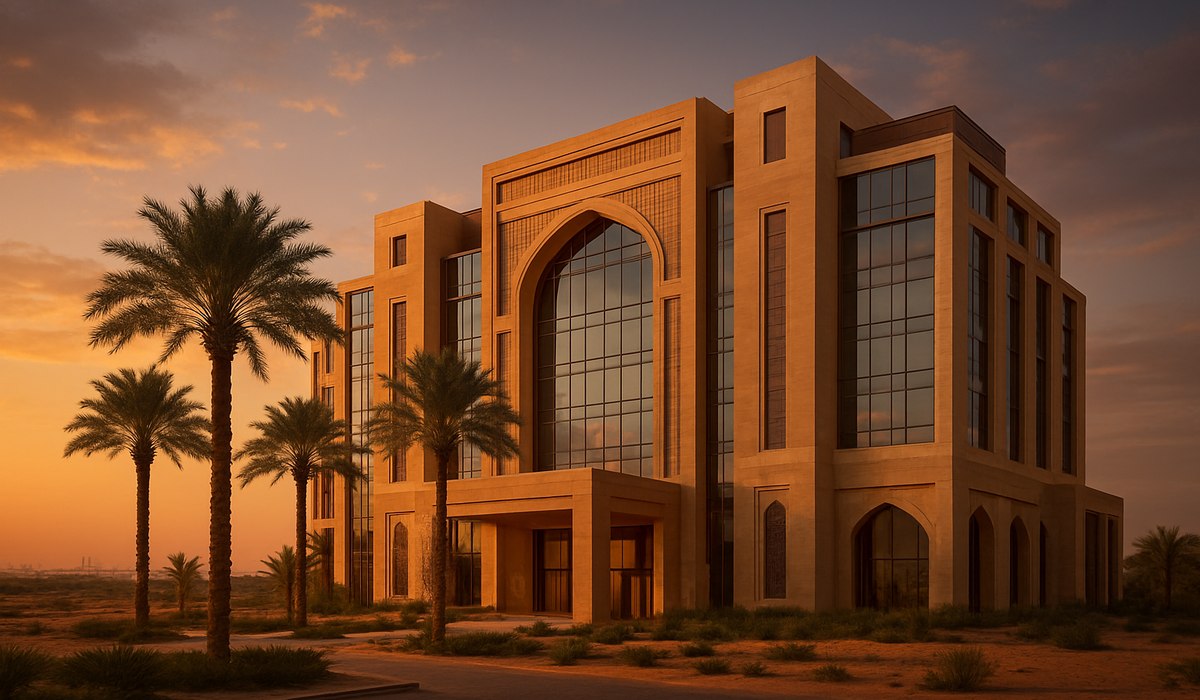
Image generated by AI
The Kingdom's Hotel Construction Outpaces Demand
Saudi Arabia's ambitious hotel expansion is reshaping its competitive lodging landscape in 2026. The kingdom continues aggressive room development across major cities including Riyadh, Jeddah, and Dammam, but nightly rates are falling dramatically. Industry data shows that despite billions invested in Saudi Arabia hotels under Vision 2030, supply has grown faster than international visitor arrivals, creating downward pressure on pricing.
This paradox reflects a broader challenge facing Middle Eastern tourism hubs: rapid infrastructure development that exceeds near-term demand capacity. Hotel operators now compete fiercely for market share, with promotional rates and discounts becoming standard practice.
The Hotel Boom Timeline: Vision 2030 Milestones
Saudi Arabia launched its Vision 2030 initiative to diversify the economy beyond oil and position itself as a global tourism destination. The hospitality sector received substantial government backing and private investment.
From 2020 through 2026, the kingdom added thousands of hotel rooms annually. Major properties opened in Riyadh's commercial districts, along the Red Sea coast, and near religious pilgrimage sites. Luxury brands including Four Seasons, Rosewood, and Raffles established properties targeting high-net-worth travelers.
However, this rapid supply growth coincided with moderate demand increases. International visitor numbers grew year-over-year but didn't match construction pace. By early 2026, Saudi Arabia hotels reported occupancy rates ranging from 55 to 75 percent—respectable but insufficient to support premium pricing on newly developed inventory.
The government-backed Saudi Tourism Authority targets 100 million annual visitors by 2030, but current figures remain closer to 65-70 million, including religious visitors. Closing this gap requires either accelerated tourism growth or a slowdown in hotel development.
Why Room Rates Are Dropping Across Saudi Arabia Hotels
Room rate compression stems from basic market economics. When Saudi Arabia hotels add significant capacity without proportional demand increases, hotels discount to maintain occupancy.
Four factors drive current pricing pressure:
Oversupply in major markets. Riyadh, Jeddah, and new resort destinations added 8,000+ rooms in 2025-2026 alone. Competition intensified immediately upon opening.
Seasonal demand volatility. Saudi Arabia's summer heat dramatically reduces leisure travel. Winter months see stronger demand, but off-season inventory sits underutilized.
Regional competition. UAE luxury hotels in Dubai and Abu Dhabi maintain stronger rate power due to established international brands and consistent visitor bases. Saudi Arabia hotels must offer value incentives to compete.
Extended payment terms. Many new Saudi Arabia hotels offer promotional rates, meal packages, and bundled services to inflate perceived value while accepting lower nightly rates.
Industry sources report average daily rates (ADRs) declining 15-25 percent across mid-range and luxury properties compared to 2024 figures. Boutique and ultra-luxury segments remain more resilient, while four-star business-class hotels face steepest declines.
Impact on Hotel Operators and Investors
Falling rates present challenges for developers and operators who financed projects based on optimistic revenue projections. Return-on-investment timelines have extended as properties take longer to achieve profitability.
However, operators adapted strategically. Many Saudi Arabia hotels implemented revenue management systems targeting specific segments: corporate travelers, wedding events, medical tourism, and pilgrimage-related stays. Bundled offerings combining accommodation with local experiences helped justify rates.
Some investors reassessed project timelines, accepting that payback periods extend beyond initial forecasts. Others consolidated portfolios, divesting non-core properties to focus on flagship brands with stronger demand drivers.
The competitive environment ultimately benefits travelers. Lower Saudi Arabia hotels rates democratize access to quality accommodations previously positioned as luxury-segment only. Budget travelers can now access four-star properties at three-star prices, reshaping the market's value proposition.
Vision 2030's Tourism Goals and Realistic Timelines
The Saudi Tourism Authority targets 100 million annual visitors by 2030 and seeks international tourism revenue of $46 billion. Current pace suggests achieving 75-85 million visitors by 2030, falling short of official targets.
Vision 2030 emphasizes experiential tourism beyond religious pilgrimage. Initiatives include:
Red Sea Project: A luxury island resort destination near the Jordanian border, launching phases through 2030. Properties here target ultra-wealthy travelers and maintain stronger rate integrity.
NEOM: The futuristic city project includes high-end hospitality anchoring broader development.
Entertainment and culture: Music festivals, sports events, and museums attract leisure travelers previously underrepresented in Saudi visitor demographics.
Business tourism: Conference facilities and corporate meeting spaces position Saudi Arabia hotels for meetings, incentives, conferences, and exhibitions (MICE) business.
These initiatives aim to boost demand, but rate pressure suggests supply additions must slow or demand acceleration must outpace current projections. The gap between hotel inventory growth and visitor arrivals presents the kingdom's primary near-term challenge.
Key Statistics: Saudi Arabia Hotels Market Data
| Metric | 2024 Value | 2026 Value | Change |
|---|---|---|---|
| Total Hotel Rooms | 185,000 | 215,000 | +16% |
| Annual Visitors | 65 million | 68 million | +4.6% |
| Average Room Rate | $185-215 | $140-185 | -15 to -25% |
| Occupancy Rate | 72% | 64% | -8 points |
| Construction Pipeline | 40,000 rooms | 38,000 rooms | -5% |
| International Visitors Share | 35% | 42% | +7 points |
What Guests Get: Benefits of Expanded Saudi Arabia Hotels Supply
Lower rates directly benefit travelers seeking quality accommodations. The expanded Saudi Arabia hotels inventory improved accessibility across price points and geographic locations.
Geographic diversity. Travelers can now find quality lodging in secondary cities including Al Khobar, Abha, and Tabuk, previously underserved. Resort destinations along the Red Sea offer beach-adjacent properties at reasonable rates.
Quality assurance. International brands standardize service and amenities. Guests book with confidence knowing what to expect from Four Seasons, Marriott, or Hilton properties regardless of location.
Amenity standards rise. New Saudi Arabia hotels feature modern facilities, high-speed internet, fitness centers, and quality dining. Older properties upgraded to compete, improving the overall market baseline.
Value-added services. To differentiate amid pricing pressure, hotels bundle spa services, cultural experiences, airport transfers, and local tour packages. Guests enjoy richer itineraries without proportional rate increases.
Flexible booking options. Competition enabled flexible cancellation policies, room upgrades, and loyalty program benefits previously unavailable in Saudi Arabia hotels market.
Extended stay discounts. Corporate travelers and remote workers benefit from favorable weekly and monthly rates at quality properties.
What This Means for Travelers: Five Actionable Takeaways
Falling Saudi Arabia hotels rates create opportunities for travelers planning Middle East trips in 2026 and beyond.
-
Book strategically during shoulder seasons. Spring (March-April) and fall (October-November) offer optimal weather and increasingly competitive rates as hotels compete for steady demand.
-
Target corporate-oriented properties. Business-class four-star hotels face steepest rate pressure. These properties offer excellent value, proximity to business districts, and business-traveler amenities.
-
Explore secondary cities. Jeddah, Al Khobar, and Red Sea destinations offer quality accommodations at lower rates than central Riyadh. Regional travel expands your exploration options.
4. Bundle experiences with accommodation. Hotels increasingly offer package deals combining lodging with dining,
Disclaimer
This article is for informational and educational purposes only. It does not constitute legal, financial, or professional advice. While we strive to provide accurate and up-to-date information, travel policies, regulations, and conditions change rapidly. Always verify information with official sources before making travel decisions. Nomad Lawyer makes no representations about the accuracy, reliability, completeness, or suitability of the information provided. Readers should consult qualified professionals for advice specific to their circumstances. The views expressed in this article are those of the author and do not necessarily reflect the views of Nomad Lawyer.
Raushan Kumar
Founder & Lead Developer
Full-stack developer with 11+ years of experience and a passionate traveller. Raushan built Nomad Lawyer from the ground up with a vision to create the best travel and law experience on the web.
Learn more about our team →