
Ryanair Achieves Debt-Free Status as European Budget Carrier Strengthens Financial Position
Breaking airline news and aviation industry updates for 2026.

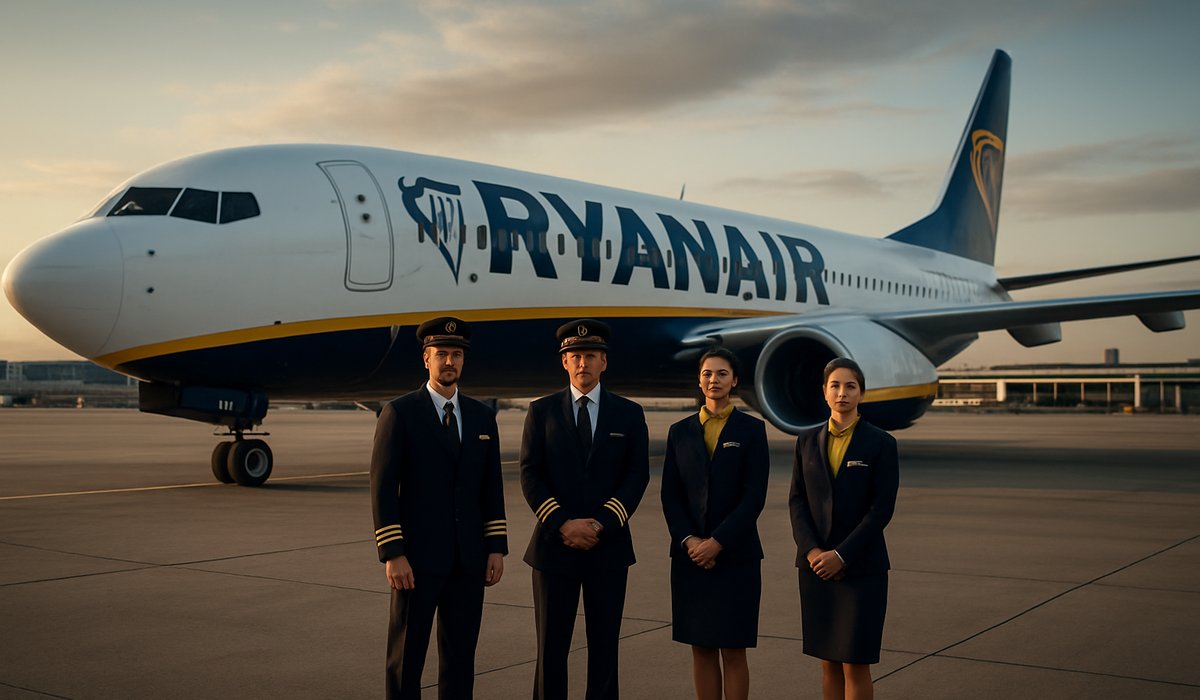
Image generated by AI
Ryanair Achieves Debt-Free Status as European Budget Carrier Strengthens Financial Position
Low-cost airline retires final €1.2 billion bond obligation, signaling operational resilience amid volatile fuel markets and competitive pressures
A Major Financial Milestone for Europe's Largest Budget Carrier
Ryanair has eliminated its final outstanding debt obligation, marking a watershed moment for the Dublin-headquartered airline. The carrier announced on May 25th that it had successfully repaid a €1.2 billion bond maturity, effectively erasing all long-term debt from its balance sheet. The achievement positions the airline as one of Europe's few major carriers operating with zero net debt—a rare status in an industry notorious for heavy leverage and capital-intensive operations.
The timing of this financial breakthrough carries particular significance as Ryanair navigates what executives have characterized as a "challenging summer period" defined by capacity expansion, competitive route battles, and sustained pressure on pricing power across the continent's aviation sector.
Strategic Positioning Amid Industry Headwinds
The debt elimination comes as Ryanair operates a fleet of 620 Boeing 737 aircraft—one of the largest single-aircraft-type fleets globally. This standardized fleet approach has historically enabled the carrier to maintain operational efficiency and control maintenance costs, advantages that become increasingly valuable during periods of elevated jet fuel prices and economic uncertainty.
By retiring debt obligations, Ryanair has enhanced its financial flexibility precisely when the airline industry faces mounting challenges. Volatile oil markets, labor cost pressures, and competitive dynamics surrounding baggage charges and ancillary revenue streams have compressed margins across the sector. The carrier's improved balance sheet provides breathing room to absorb external shocks that have repeatedly destabilized competitors.
Maintaining Low-Cost Positioning Without Debt Burden
Industry observers note that achieving debt-free status without compromising Ryanair's celebrated low-fare strategy represents a critical strategic victory. The airline has built its business model on operational lean practices and direct cost management—areas where financial flexibility becomes essential.
The carrier's statement emphasized its commitment to sustaining competitive pricing during the summer travel season, despite industry-wide pressures on airline fees, fuel surcharges, and ancillary revenue generation. This balance between financial strength and consumer-friendly fares distinguishes Ryanair's competitive positioning within a market dominated by legacy carriers pursuing higher-yielding premium strategies.
Broader Industry Implications
Ryanair's debt elimination underscores the divergent financial trajectories within European aviation. While legacy carriers remain saddled with substantial debt burdens accumulated during pandemic recovery, nimble low-cost operators with superior cost structures have seized opportunities to strengthen balance sheets. This disparity could reshape competitive dynamics across Europe's aviation landscape in coming years, particularly regarding pricing strategies and route expansion capabilities.
FAQ: Ryanair Debt Repayment and Aviation Industry Questions
Q: How does Ryanair's debt-free status compare to other major European airlines? A: Ryanair now operates among Europe's few major carriers without long-term debt, providing competitive advantages over heavily leveraged competitors like Lufthansa Group and Air France-KLM.
Q: Will Ryanair's debt elimination lead to lower baggage charges or airline fees? A: While the carrier maintains its commitment to low fares, ancillary fees remain independent business decisions. Debt elimination provides financial flexibility rather than guaranteed fee reductions.
Q: How does jet fuel price volatility affect Ryanair's profitability and debt strategy? A: Eliminating debt obligations reduces fixed financial commitments, allowing Ryanair greater operational flexibility to absorb fuel price fluctuations without passing full costs to consumers.
Q: What advantage does operating 620 identical Boeing 737s provide during economic downturns? A: Fleet standardization reduces maintenance complexity and costs, enabling efficient operations during challenging periods when revenue pressures mount.
Q: Could other budget airlines replicate Ryanair's debt-free model? A: Ryanair's superior cost structure and management execution make debt elimination achievable; however, competitors face higher structural costs that complicate similar strategies.
Related Travel Guides
-
Virgin Atlantic Appoints Anthony Uphill as Vice President Sales
-
Emirates Dubai Cairo Flights Cancelled: Regional Airspace Chaos Strands Thousands
External Resources
Disclaimer
This article is for informational and educational purposes only. It does not constitute legal, financial, or professional advice. While we strive to provide accurate and up-to-date information, travel policies, regulations, and conditions change rapidly. Always verify information with official sources before making travel decisions. Nomad Lawyer makes no representations about the accuracy, reliability, completeness, or suitability of the information provided. Readers should consult qualified professionals for advice specific to their circumstances. The views expressed in this article are those of the author and do not necessarily reflect the views of Nomad Lawyer.
Preeti Gunjan
Contributor & Community Manager
A passionate traveller and community builder. Preeti helps grow the Nomad Lawyer community, fostering engagement and bringing the reader experience to life.
Learn more about our team →