
Rwanda Elevates Global Eco-Tourism Through High-Value Gorilla Trekking and Akagera Conservation
Rwanda's high-value, low-volume tourism strategy yields $620M in revenue while expanding gorilla trekking and Akagera safaris.

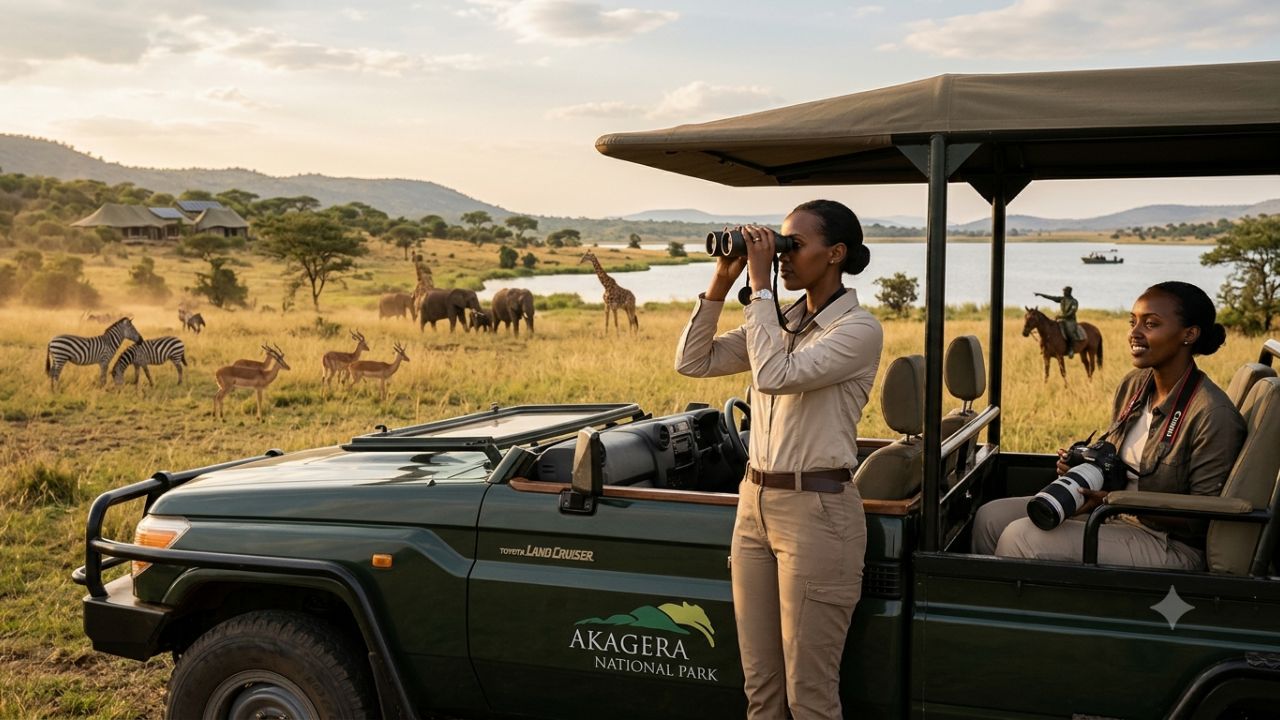
Image generated by AI
Rwanda has solidified its position as a global leader in sustainable travel, leveraging a high-value, low-volume tourism model that generated $620 million in national tourism revenue while driving landmark wildlife restoration.
Rather than chasing mass tourist numbers, the East African nation has prioritized low-impact, premium experiences centered around endangered mountain gorilla protection, savannah Big Five safaris, and UNESCO-recognized rainforest preservation. By linking high-spending international travelers directly with community development and anti-poaching initiatives, Rwanda offers a proven template for balancing economic growth with ecological integrity.
High-Value Gorilla Trekking Drives $620 Million in Tourism Revenue
The economic foundation of Rwanda's conservation strategy rests upon strictly managed mountain gorilla trekking permits in Volcanoes National Park. In 2023, the national tourism sector generated approximately $620 million in total revenue from over 135,000 international visitors.
A key contributor to this financial milestone was the gorilla trekking sector, which welcomed 25,927 visitors—a 29.4% surge compared to 2022 figures. Permits are capped at $1,500 USD per person, with daily viewing strictly limited to a maximum of 8 visitors per habituated gorilla family. This price structure controls visitor density within fragile volcanic habitats while securing essential funding for continuous anti-poaching patrols and veterinary interventions.
Revenue-Sharing Initiatives Fund 800 Community Infrastructure Projects
To align wildlife preservation with grassroots prosperity, the Rwandan government enforces a revenue-sharing framework that channels 10% of all national park entrance fees and 5% of total tourism revenue directly into communities bordering conservation zones.
Since its launch, the program has financed more than 800 community-based projects, including the construction of modern schools, clean water networks, and health clinics. By providing tangible economic benefits to local residents, the initiative has transformed historical threats like poaching into active community stewardship, with former poachers now employed as park rangers and conservation guides.
Akagera National Park Revitalizes Big Five Savannah Safaris
Beyond its highland primate sanctuaries, Rwanda has expanded its safari offerings in Akagera National Park. Following intensive habitat restoration and anti-poaching enforcement, conservation authorities successfully reintroduced 18 eastern black rhinoceroses and breeding lion prides to the park.
Today, Akagera's large mammal population exceeds 13,000 animals, establishing it as a premier Big Five savannah destination. The combination of open grasslands, lakes, and restored predator populations enables tour operators to offer complete multi-day itineraries that pair savannah safaris with mountain gorilla trekking.
Nyungwe Rainforest Achieves UNESCO Status for Primate Biodiversity
In southwestern Rwanda, Nyungwe National Park offers immersive rainforest hiking, chimpanzee tracking, and a suspended canopy walkway. Recognized as a UNESCO World Heritage site, the montane forest protects 13 distinct primate species—representing 20% of Africa’s total primate diversity.
Nyungwe is home to habituated troops of over 400 chimpanzees. Scientific tracking protocols and low-impact eco-tourism enable researchers to gather critical behavioral data while visitors participate in educational primate excursions.
Urban Business Tourism and Luxury Eco-Lodge Expansion
Rwanda’s Meetings, Incentives, Conferences, and Exhibitions (MICE) sector generated over $56 million USD during peak assessment periods, centered around convention facilities in Kigali. Business travelers visiting the capital frequently extend their trips to explore national parks, boosting overall per-capita spending.
Capitalizing on this sustained demand, luxury hospitality investors have committed over $400 million USD toward eco-lodge developments across Volcanoes, Akagera, and Nyungwe national parks. Simultaneously, national carrier RwandAir has expanded its network to connect over 24 international destinations across Europe, the Middle East, Asia, and Africa via Kigali International Airport.
Additionally, cultural tourism programs support more than 1,200 local artisans through basket-weaving cooperatives, traditional music, and heritage performances, ensuring that visitor spending reaches regional craft economies.
Overview of Rwanda's Core Wildlife Ecosystems and Conservation Framework
| National Park | Primary Attractions | Key Wildlife & Conservation Metrics | Tourism & Economic Model |
|---|---|---|---|
| Volcanoes National Park | Mountain Gorilla Trekking | 25,927 annual gorilla trekkers (+29.4% YoY) | $1,500 USD per permit; max 8 visitors/family/day |
| Akagera National Park | Big Five Savannah Safaris | 13,000+ large mammals; reintroduced black rhinos & lions | Low-impact game drives & boat safaris |
| Nyungwe National Park | Canopy Walkway & Rainforest Hiking | UNESCO site; 13 primate species; 400+ habituated chimps | High-value scientific & eco-tourism itineraries |
| Kigali & Urban Hubs | MICE Business Tourism & Cultural Centers | $56M+ MICE revenue; 1,200+ local artisans supported | Corporate conference & leisure extension packages |
Frequently Asked Questions
How much does a mountain gorilla trekking permit cost in Rwanda?
A mountain gorilla trekking permit in Rwanda costs $1,500 USD per person. The fee directly funds conservation, anti-poaching operations, and community development around Volcanoes National Park.
How does Rwanda share tourism revenue with local communities?
Rwanda allocates 10% of all national park entrance fees and 5% of overall tourism revenues to local communities bordering national parks, funding over 800 schools, water projects, and clinics.
What wildlife can visitors see in Akagera National Park?
Akagera National Park is a Big Five safari destination featuring lions, eastern black rhinoceroses, elephants, leopards, and buffaloes, with a large mammal population exceeding 13,000 animals.
Why is Nyungwe National Park significant for primate conservation?
Nyungwe National Park is a UNESCO World Heritage site that protects 13 primate species—representing 20% of Africa’s total primate diversity—including over 400 habituated chimpanzees.
Related Travel Guides
Disclaimer
This article is for informational and educational purposes only. It does not constitute legal, financial, or professional advice. While we strive to provide accurate and up-to-date information, travel policies, regulations, and conditions change rapidly. Always verify information with official sources before making travel decisions. Nomad Lawyer makes no representations about the accuracy, reliability, completeness, or suitability of the information provided. Readers should consult qualified professionals for advice specific to their circumstances. The views expressed in this article are those of the author and do not necessarily reflect the views of Nomad Lawyer.
Preeti Gunjan
Contributor & Community Manager
A passionate traveller and community builder. Preeti helps grow the Nomad Lawyer community, fostering engagement and bringing the reader experience to life.
Learn more about our team →