
Russian Airline Implements Emergency Landing Restrictions After Hard-Landing Safety Crisis
Breaking airline news and aviation industry updates for 2026.

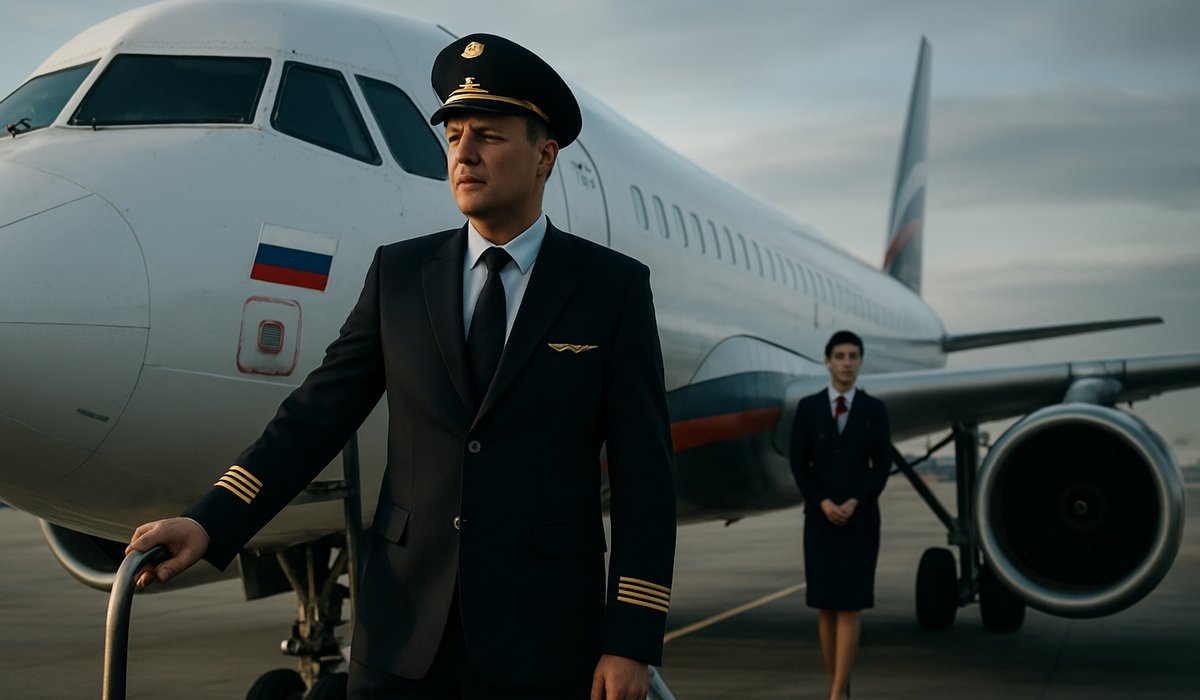
Image generated by AI
Russian Airline Implements Emergency Landing Restrictions After Hard-Landing Safety Crisis
S7 Airlines bars first officers from takedowns amid surge in aircraft damage incidents
Safety Overhaul Signals Growing Concern Over Pilot Performance Standards
Russia's S7 Airlines has enacted an unprecedented operational directive that prohibits the majority of first officers from executing landings across its network, marking a dramatic response to an escalating pattern of hard-landing incidents that have disrupted flight schedules and strained maintenance resources.
The restriction, effective from June 1 and scheduled to remain in force through October 1, 2026—a 16-month enforcement period—represents one of the most stringent pilot qualification measures adopted by a major carrier in recent years. The policy limits landing responsibilities to senior captains across most of S7's destination portfolio, effectively sidelining junior flight crew from final approach procedures during normal operations.
Behind the Restrictions: A Pattern of Costly Incidents
The decision reflects mounting concerns within the airline's safety and operations division regarding touchdown quality and subsequent aircraft serviceability. Hard landings—characterized by excessive descent rates or impact forces during touchdown—trigger mandatory inspections and repairs that significantly extend turnaround times between flights, reducing aircraft availability and generating cascading delays throughout the network.
Industry sources indicate the incidents have created substantial knock-on effects for the Moscow-based carrier, forcing unexpected maintenance intervals that disrupt scheduling efficiency and inflate operational costs during a period when Russian aviation faces international sanctions and supply-chain constraints.
Operational Impact and Industry Precedent
The measure underscores widening challenges within Russian aviation as geopolitical isolation continues reshaping the sector's operational and training frameworks. Flight crews operating under reduced international cooperation agreements and limited access to advanced simulator training may face performance degradation, compelling airlines to implement compensatory safety protocols.
S7 Airlines, operating approximately 100 aircraft across domestic and regional international routes, has not publicly detailed the frequency or severity of the incidents prompting this intervention. However, the decision to restrict a significant portion of pilot certifications signals management's assessment that current touchdown performance falls below acceptable safety and operational thresholds.
Broader Aviation Sector Implications
The restriction arrives amid broader concerns about pilot training standardization across Russian carriers, particularly as international aviation partnerships dissolve and simulator access becomes increasingly constrained. Other regional operators may face similar pressure to implement comparable restrictions as operational pressures mount.
The S7 directive establishes a potential industry precedent for managing pilot performance through temporary operational limitations rather than retraining initiatives alone—a measure that raises questions about underlying training adequacy and resource constraints facing Russian aviation.
Frequently Asked Questions
What exactly is a hard landing in aviation? Hard landings occur when aircraft touch down with excessive vertical speed or impact force, potentially exceeding structural design parameters and triggering mandatory safety inspections.
Why would restricting first officer landings improve safety? By concentrating landing responsibilities with more experienced captains, the airline aims to reduce touchdown incidents caused by less-experienced crew, thereby minimizing maintenance disruptions.
How long will this restriction remain in effect? The policy is scheduled to run for 16 months, from June 1, 2025, through October 1, 2026, with potential extension depending on incident reduction metrics.
What are hard landing incidents costing airlines? Unexpected maintenance, aircraft downtime, schedule disruptions, and potential structural repairs represent significant financial exposure—costs that have prompted S7's intervention.
Is this restriction common in global aviation? While temporary pilot restrictions exist, full-network landing prohibitions for first officers are relatively uncommon and typically indicate serious underlying performance or training concerns.
Related Travel Guides
External Resources
Disclaimer
This article is for informational and educational purposes only. It does not constitute legal, financial, or professional advice. While we strive to provide accurate and up-to-date information, travel policies, regulations, and conditions change rapidly. Always verify information with official sources before making travel decisions. Nomad Lawyer makes no representations about the accuracy, reliability, completeness, or suitability of the information provided. Readers should consult qualified professionals for advice specific to their circumstances. The views expressed in this article are those of the author and do not necessarily reflect the views of Nomad Lawyer.
Preeti Gunjan
Contributor & Community Manager
A passionate traveller and community builder. Preeti helps grow the Nomad Lawyer community, fostering engagement and bringing the reader experience to life.
Learn more about our team →