
Rosetta Travel Hospitality Appoints Senior Executive to Lead Sakleshpur Operations
Rosetta Travel Hospitality names Nisha Sharma as Executive Assistant Manager at Sakleshpur property in 2026, strengthening India's luxury hospitality leadership amid unprecedented tourism growth.

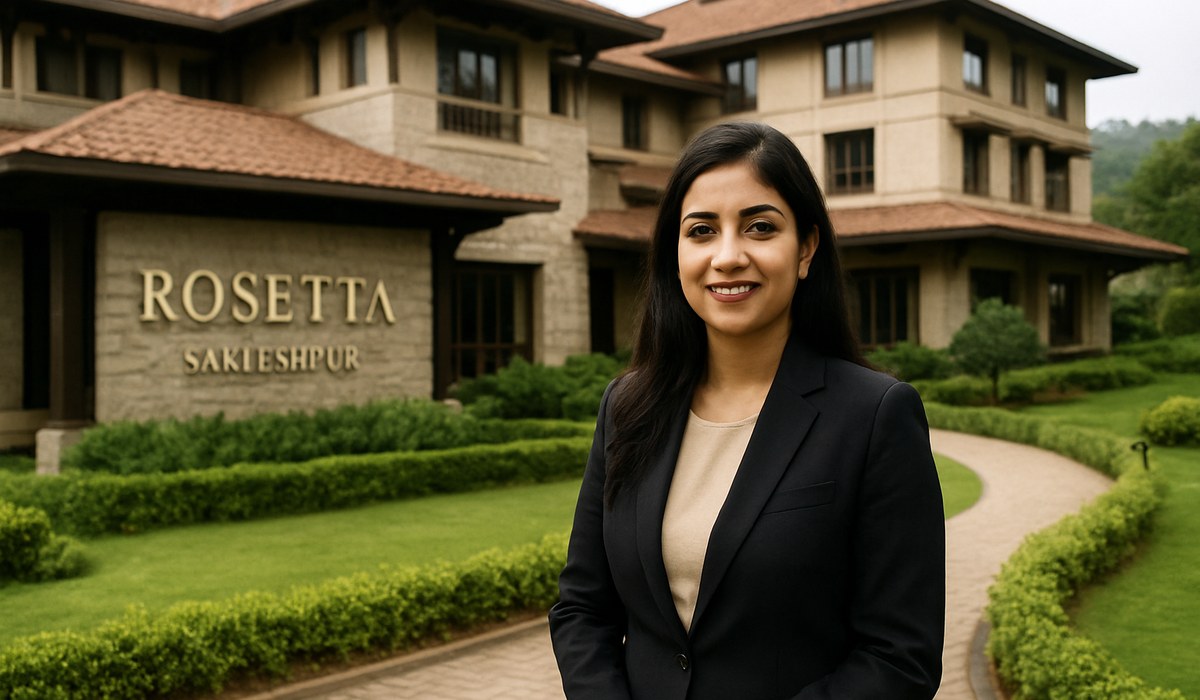
Image generated by AI
Quick Summary
- Rosetta Travel Hospitality names Nisha Sharma to Executive Assistant Manager role at flagship Sakleshpur retreat
- Appointment reflects India's strategy to develop mid-level hospitality leadership talent for boutique luxury properties
- Strengthens operational focus on personalized guest experiences across India's expanding wellness tourism sector
- Part of broader industry trend investing in leadership pipeline development amid 15%+ annual tourism growth
Strategic Leadership Appointment Signals India's Hospitality Maturation
Rosetta Travel Hospitality has appointed Nisha Sharma to the position of Executive Assistant Manager at its Sakleshpur property, marking a strategic investment in operational leadership as India consolidates its position as Asia's fastest-growing luxury hospitality destination.
The announcement arrives amid a significant inflection point for India's tourism sector. International visitor arrivals have accelerated substantially since 2024, with UNWTO tourism growth statistics confirming India's prominence in global travel recovery metrics. Beyond raw numbers, the composition of this growth reflects a fundamental shift: affluent travelers increasingly seek curated, wellness-focused experiences rather than mass-market offerings—precisely the market segment boutique luxury properties like Rosetta Sakleshpur target.
Sharma's appointment underscores a critical priority for premium hospitality operators. As India experiences India's premium investment surge in hospitality, properties competing for high-net-worth clientele must deploy experienced middle-management talent capable of translating brand standards into consistent daily guest interactions. The Executive Assistant Manager role occupies this crucial operational nexus—bridging senior leadership vision with front-line service delivery.
The timing reflects market realities. India's boutique luxury segment has matured beyond simple infrastructure development. Properties now compete on service sophistication, personalization depth, and operational consistency. Retaining and developing management talent has become as important as architectural distinctiveness or location amenities.
Operational Excellence as Competitive Advantage in Luxury Wellness Retreats
Sakleshpur's positioning within India's wellness tourism landscape explains the significance of this leadership appointment. The hill station destination has emerged as a preferred base for affluent travelers seeking retreats that combine nature immersion with wellness programming—yoga, Ayurvedic treatments, and regenerative experiences that justify premium pricing.
Sustaining this market positioning demands more than amenity quality. It requires consistent operational execution across dozens of daily touchpoints: reservation handling, staff coordination, guest communication, problem resolution, and experience customization. Research from Skift hospitality industry trends identifies operational consistency as the primary differentiator for boutique luxury properties in competitive markets. Guest reviews increasingly reflect not isolated moments of excellence but sustained quality across the entirety of a stay.
Sharma's mandate as Executive Assistant Manager likely encompasses several operational domains. Front office management—ensuring smooth check-in, reservation modifications, and personalized greeting protocols—represents foundational work. Service coordination across housekeeping, culinary, wellness, and activities teams requires active leadership ensuring departmental alignment around guest preferences and expectations.
The broader context matters here. Unlike standardized hotel chains operating reproducible systems across identical properties, boutique retreats demand adaptive management. Each guest brings distinct preferences, health considerations, and expectation profiles. Successful executive assistant managers develop staff cultures that encourage anticipatory service—recognizing patterns, personalizing offerings, and solving emerging issues before guests identify them as problems.
For properties competing in India's wellness retreat category, this operational excellence translates directly to financial performance. Luxury wellness properties operate on premium pricing models (often ₹25,000–₹75,000+ per night) that leave no margin for service failures. Single negative reviews disproportionately damage occupancy rates. Conversely, consistent excellence drives word-of-mouth bookings among affluent networks—the primary acquisition channel for ultra-premium properties.
Talent Development in India's Premium Tourism Boom
Sharma's appointment exemplifies a broader industry recognition: India's tourism growth depends critically on developing management talent within the country rather than importing leadership exclusively from overseas or metropolitan hospitality hubs.
This shift reflects maturation. In India's earlier hospitality expansion phases (2005–2015), luxury properties often recruited senior managers with experience from international chains or established metropolitan hotels. Gaps existed in India-specific hospitality expertise—understanding local supply chains, navigating regulatory frameworks, managing culturally diverse staff, and anticipating domestic affluent consumer preferences.
The contemporary talent strategy differs markedly. WTTC hospitality employment research documents that regions retaining domestically-developed talent demonstrate stronger service consistency and operational stability than those dependent on international rotation cycles. High-performing staff members who build careers within regional hospitality ecosystems understand local market nuances, develop authentic relationships with suppliers and regulators, and mentor incoming staff more effectively.
For Rosetta Travel Hospitality specifically, promoting or appointing experienced managers like Sharma to visible operational roles sends organizational signals. Ambitious hospitality professionals observe leadership advancement pathways, influencing their commitment to long-term property careers rather than treating roles as stepping stones to overseas postings. In India's competitive hospitality sector, retention of trained talent reduces operational disruption and preserves institutional knowledge.
This dynamic extends beyond individual properties. India's broader tourism sector—currently supported by approximately 48 million direct and indirect jobs according to UNWTO tourism growth statistics—depends on continuous leadership pipeline development. Boutique luxury properties like Rosetta Sakleshpur serve as training grounds where emerging managers develop expertise that subsequently elevates sector-wide standards.
The regional context matters as well. India's tourism growth momentum extends beyond gateway cities to hill stations, heritage destinations, and wellness centers like Sakleshpur. These dispersed properties require confident local leadership capable of operating autonomously while maintaining brand standards—challenging talent requirements that command premium compensation but justify investment through stability.
Guest Experience Innovation in Boutique Hospitality
The appointment reflects evolving expectations within India's affluent traveler demographic regarding service personalization and cultural authenticity.
Contemporary luxury hospitality has progressively moved beyond standardized service scripts toward individualized guest experiences. Technology enables some personalization—reservation systems now track previous visits, special requests, and preference profiles. But technology alone cannot deliver the adaptive responsiveness that defines luxury wellness experiences.
Here, middle-management leadership becomes decisive. Executive assistant managers orchestrate the translation of guest data and preferences into daily operational choices. If a returning guest previously preferred early morning yoga sessions, this preference travels through morning briefings to facility staff. If a guest holds dietary restrictions rooted in cultural or religious practice, this shapes kitchen coordination and menu presentation approaches. If a traveler experiences jet lag or travel stress, service staff adjust pacing and approach accordingly.
At Rosetta Sakleshpur specifically, these considerations intersect with wellness programming. Guests arrive with specific health aspirations—stress reduction, mobility improvement, metabolic recalibration, spiritual centering. Their hospitality experience succeeds when all staff interactions reinforce wellness objectives rather
Disclaimer
This article is for informational and educational purposes only. It does not constitute legal, financial, or professional advice. While we strive to provide accurate and up-to-date information, travel policies, regulations, and conditions change rapidly. Always verify information with official sources before making travel decisions. Nomad Lawyer makes no representations about the accuracy, reliability, completeness, or suitability of the information provided. Readers should consult qualified professionals for advice specific to their circumstances. The views expressed in this article are those of the author and do not necessarily reflect the views of Nomad Lawyer.
Kunal K Choudhary
Co-Founder & Contributor
A passionate traveller and tech enthusiast. Kunal contributes to the vision and growth of Nomad Lawyer, bringing fresh perspectives and driving the community forward.
Learn more about our team →