
Rocco Forte Hotels Invests Over €9 Million in Major Design Transformations of Hotel Savoy Florence and Hotel de Russie Rome 2026
Rocco Forte Hotels has completed extensive refurbishments of Hotel Savoy in Florence and Hotel de Russie in Rome, integrating Italian craftsmanship and local heritage into luxury hospitality.

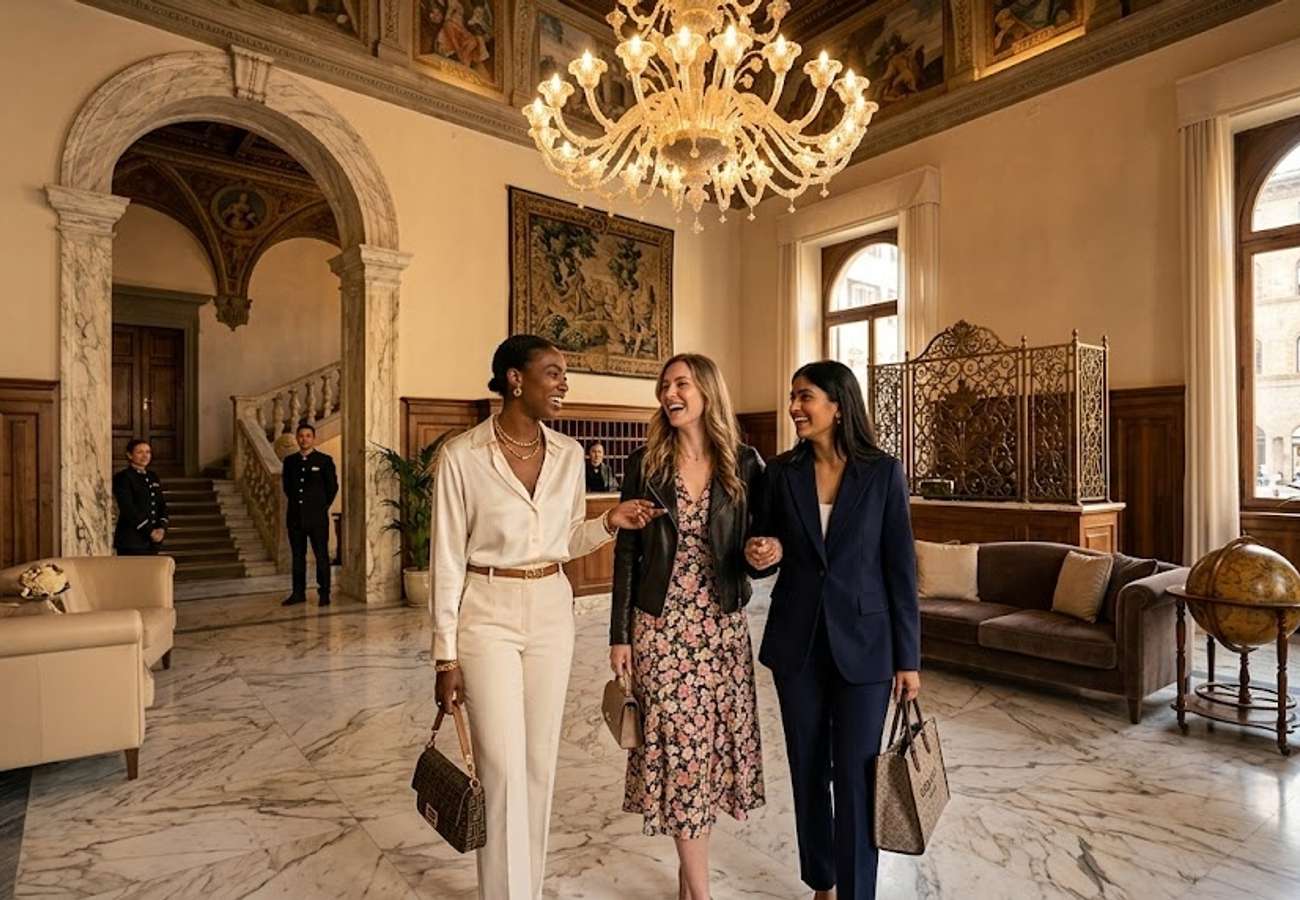
Image generated by AI
[Florence/Rome, July 21, 2026] — Rocco Forte Hotels has unveiled significant design overhauls at two of its most prestigious Italian properties, the Hotel Savoy in Florence and the Hotel de Russie in Rome. These strategic transformations involve a multi-million euro investment aimed at blending contemporary high-end comfort with the deep cultural and architectural legacies of these historic cities.
The initiative reflects a broader shift in the global luxury hospitality sector, where the focus has moved from standardized opulence toward "destination-centric" design. By integrating local materials and partnering with regional artisans, the hotel group is repositioning its properties as cultural conduits rather than mere lodging.
Hotel Savoy Florence Completes €9 Million Heritage Restoration
The Hotel Savoy, situated overlooking the iconic Piazza della Repubblica, has emerged from a comprehensive three-year refurbishment program. Industry reports indicate that the total investment for this project exceeded €9 million, focusing on a design philosophy that mirrors Florence's status as the global epicenter of Renaissance art and craftsmanship.
The creative direction was spearheaded by Olga Polizzi, the Director of Design at Rocco Forte Hotels, who worked in close coordination with the Florence-based Studio Ferrari. The resulting aesthetic avoids generic luxury, instead utilizing materials and design cues that resonate with the city's specific historical narrative.
The property has overhauled 46 rooms and suites. These updated accommodations now feature expanded layouts and modernized bathrooms, with flexible configurations tailored for a diverse range of high-net-worth travelers, including families and corporate groups. To maintain an authentic Italian feel, the interiors utilize bespoke parquet flooring, high-grade marble, timber finishes, and specialized textiles produced by local workshops.
Experiential Luxury and the Suite & Beyond Program in Florence
Beyond the physical architecture, the Hotel Savoy is pivoting toward "experiential luxury" to meet the evolving demands of modern travelers. The hotel has introduced the Suite & Beyond program, which shifts the guest experience from passive accommodation to active cultural immersion.
Through this initiative, guests can secure exclusive access to several high-profile Florentine experiences, including:
- Private, curated tours of the Palazzo Strozzi.
- Traditional calligraphy workshops conducted in partnership with Pineider, offering views of the Ponte Vecchio.
- Guided explorations of Florence’s historic leather-working districts.
This strategy targets a growing segment of luxury tourists who prioritize authentic local connections and "insider" access over standard premium amenities. Given Florence's dense concentration of jewelry makers and independent galleries, the hotel is leveraging the city's artisanal ecosystem to create a unique value proposition.
Hotel de Russie Rome Redefines the Arrival Experience
In the capital city, Rocco Forte Hotels has finalized the latest phase of renovations at the Hotel de Russie. Unlike the full-scale room overhauls seen in Florence, the Rome project focused specifically on the arrival and reception zones to create a more sophisticated first impression.
Collaborating with Studio Moschino, the design team implemented a palette of warm tones and rich textures. The objective was to move away from stereotypical "Imperial Rome" motifs, instead presenting a layered interpretation of the city that blends ancient influence with contemporary Italian elegance.
The updated spatial layout now consists of three integrated zones:
- The Entrance: A streamlined transition from the street to the hotel interior.
- The Reception: A modernized check-in area designed for efficiency and warmth.
- The Concierge Zone: A dedicated area featuring a specialized conversation space to facilitate personalized guest planning.
Integration of Italian Craftsmanship in Rome and Florence
A defining characteristic of both the Florence and Rome projects is the aggressive pursuit of local sourcing. At the Hotel de Russie, data shows that more than 90 per cent of the furnishings and finishes were custom-made through collaborations with Italian manufacturers and independent artisans.
The Roman property now features a sophisticated blend of:
- Custom walnut paneling and pale leather upholstery.
- Bespoke lighting fixtures and a signature bronze screen located behind the concierge desk.
- Historical artifacts, including a 17th-century Italian carving and an 18th-century glass chandelier, which serve as focal points within the modern environment.
This commitment to "Made in Italy" craftsmanship ensures that the hotels act as living showrooms for national talent, distinguishing them from international chains that often utilize globalized procurement chains.
Italy's Evolving Luxury Tourism Landscape
These renovations coincide with a period of sustained growth in Italy's luxury tourism sector. Both Florence and Rome remain primary targets for global affluent travelers who seek a combination of heritage, world-class gastronomy, and exclusive shopping.
Florence continues to draw visitors through its compact layout of Renaissance masterpieces, such as the Uffizi Gallery and the Florence Cathedral. Meanwhile, Rome offers a broader spectrum of appeal, from the archaeological scale of the Colosseum and Vatican Museums to the intimate atmosphere of its historic residential neighborhoods.
By upgrading these landmark properties, Rocco Forte Hotels is ensuring that its infrastructure matches the prestige of the destinations. The properties serve as high-end bases that allow travelers to seamlessly transition between the city's public monuments and private luxury.
Why This Matters: The Shift Toward Cultural Gateways
The transformations at Hotel Savoy and Hotel de Russie signal a critical evolution in luxury hospitality. The industry is moving away from the "gold-leaf" era of luxury—where wealth was signaled through generic extravagance—and toward an era of "cultural capital."
When a hotel invests in local artisans (such as the 90% custom-made furnishings in Rome) and creates programs like "Suite & Beyond," it ceases to be a service provider and becomes a cultural gateway. This approach provides "Information Gain" for the traveler; the hotel is no longer just a place to sleep, but a curated lens through which the city is experienced.
For the broader aviation and travel industry, this indicates that high-spending tourists are increasingly seeking "deep travel"—trips characterized by intellectual and artistic engagement rather than simple sightseeing. This trend likely influences how luxury airlines and concierge services package their Italian itineraries, emphasizing craftsmanship and exclusivity over mass-market luxury.
The convergence of historic preservation and modern design continues to define the future of the Italian hospitality elite.
Related Travel Guides
Disclaimer
This article is for informational and educational purposes only. It does not constitute legal, financial, or professional advice. While we strive to provide accurate and up-to-date information, travel policies, regulations, and conditions change rapidly. Always verify information with official sources before making travel decisions. Nomad Lawyer makes no representations about the accuracy, reliability, completeness, or suitability of the information provided. Readers should consult qualified professionals for advice specific to their circumstances. The views expressed in this article are those of the author and do not necessarily reflect the views of Nomad Lawyer.
Raushan Kumar
Founder & Lead Developer
Full-stack developer with 11+ years of experience and a passionate traveller. Raushan built Nomad Lawyer from the ground up with a vision to create the best travel and law experience on the web.
Learn more about our team →