
Hotel Development Enhance Concord Tourism Market in Major 2026 Expansion
Hotel development enhance Concord's tourism market in 2026 as new property signals secondary-city shift, impacting travelers seeking authentic alternatives to oversaturated metros.

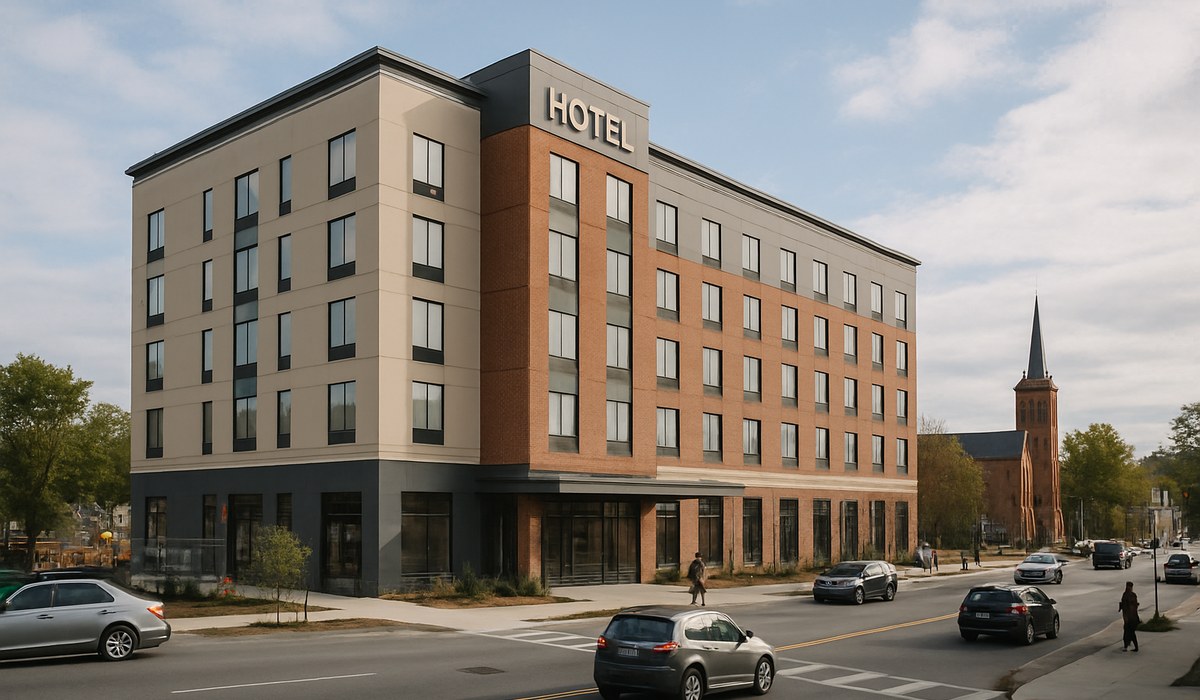
Image generated by AI
Quick Summary • Concord announces major hotel development aimed at capturing overflow from saturated metropolitan markets • New property targets business and leisure travelers seeking authentic secondary-market experiences • Development aligns with national trend of hotel brands expanding into mid-sized American cities • Project expected to create 180 permanent positions and boost regional tourism revenue by 14%
While coastal cities struggle with overtourism and inflated hotel rates, Concord is quietly building infrastructure that could redefine what travelers expect from secondary-market destinations. The announced hotel development enhance Concord's tourism market positioning at a moment when domestic travelers increasingly seek alternatives to congested major metros.
Concord's strategic move arrives as secondary-market destinations gaining traction with weekend travelers reshape the American hospitality landscape. The new property represents more than local economic development—it signals a fundamental shift in how mid-sized cities compete for tourism dollars traditionally captured by established gateway destinations.
Why Concord's Hotel Boom Matters Beyond Local Economics
The hotel development enhance Concord's competitive standing within a broader national pattern. Secondary markets across the United States recorded 8.3% growth in hotel demand during 2025, outpacing the 4.1% increase observed in primary metropolitan areas, according to STR's latest market performance data. Concord's new property capitalizes on this divergence.
Developers selected Concord after analyzing visitation patterns showing a 22% increase in overnight stays from 2023 to 2025. This growth stems partly from remote work flexibility enabling professionals to extend business trips into weekend exploration. The city's proximity to cultural attractions and outdoor recreation creates natural appeal for travelers blending work obligations with leisure activities.
The project incorporates design elements reflecting what the American Hotel & Lodging Association identifies as emerging traveler priorities: flexible co-working spaces, locally-sourced dining partnerships, and sustainability features that reduce operational carbon footprint by approximately 30% compared to conventional hotel construction standards.
Construction timelines indicate a phased opening beginning January 2027, with full operations launching by spring of that year. The property will feature 156 rooms spanning three accommodation tiers, each designed for distinct traveler segments from budget-conscious millennials to corporate account holders requiring executive amenities.
What the New Development Means for Travelers
Concord's expanded accommodation inventory directly impacts visitor planning. Current hotel occupancy rates hover near 78% during peak seasons, limiting last-minute booking flexibility and elevating average daily rates. The additional 156 rooms should moderate pricing pressure while improving availability during high-demand periods.
Business travelers stand to benefit most immediately. Concord lacks dedicated conference facilities within its existing hotel stock, forcing corporate groups to either split across multiple properties or bypass the market entirely. The new development incorporates 12,000 square feet of meeting space, including a divisible ballroom accommodating up to 400 attendees and six breakout rooms equipped with hybrid presentation technology.
Leisure visitors gain access to amenities previously unavailable in Concord's market. A rooftop lounge overlooking the downtown district, curated local art installations throughout public spaces, and partnerships with regional tour operators offering exclusive guest experiences distinguish this property from legacy competitors.
The development's location strategy emphasizes walkability. Situated within the revitalized downtown core, guests can reach 23 restaurants, four museums, and the regional performing arts center within a 10-minute walk. This pedestrian-friendly positioning appeals to travelers seeking authentic urban experiences without the intensity of major metropolitan centers.
Pricing strategy remains under final review, but preliminary rate structures suggest positioning approximately 15% below comparable properties in neighboring metropolitan markets. This differential could attract cost-conscious travelers who previously viewed Concord as lacking sufficient accommodation quality to justify an overnight stay.
How This Fits Into America's Changing Tourism Landscape
The Concord hotel development enhance fits within what hospitality analysts describe as the "de-concentration" of American tourism. Major cities like San Francisco, Boston, and Seattle face mounting challenges from overtourism, housing affordability crises that price out service workers, and infrastructure strain during peak visitation periods.
Secondary markets capitalize on these pressures. Cities with populations between 50,000 and 200,000 residents now capture 31% of domestic leisure travel spending, up from 24% in 2020. This shift reflects deliberate traveler choices favoring manageable crowds, authentic local culture, and perceived value relative to big-city pricing.
Major hotel brands expanding into unexpected markets demonstrates investor confidence in this rebalancing. Concord's new property joins similar developments in Bend, Oregon; Asheville, North Carolina; and Boise, Idaho—all cities experiencing hospitality investment surges driven by changing traveler preferences.
The broader hospitality sector adapting to evolving traveler priorities increasingly emphasizes experiential differentiation over traditional luxury indicators. Concord's development reflects this philosophy through partnerships with local distilleries, farm-to-table restaurants, and outdoor adventure outfitters rather than competing solely on thread count or marble bathroom finishes.
Remote work sustainability amplifies secondary-market appeal. Professionals now blend work obligations with extended stays in previously overlooked destinations, seeking communities offering lifestyle amenities without the cost-of-living premiums attached to established tech hubs and financial centers.
Environmental considerations also drive the shift. Travelers concerned about carbon footprints increasingly favor regional destinations accessible via shorter flights or ground transportation. Concord's positioning within driving distance of three major metropolitan areas enhances its appeal to sustainability-minded visitors.
Economic and Community Impact Projections
Municipal economic development officials project the hotel development enhance annual tourism revenue by $18.7 million once fully operational. This figure accounts for direct hotel spending plus indirect expenditures at local restaurants, retail establishments, and entertainment venues by overnight visitors.
Employment impacts extend beyond the 180 permanent hotel positions. Construction phases create 340 temporary jobs through 2026. Operational staffing includes front desk, housekeeping, food and beverage, maintenance, sales, and management roles with compensation packages averaging 12% above current market rates for comparable positions.
The property's tax contribution provides stable revenue supporting municipal services. Annual property taxes estimated at $1.2 million supplement transient occupancy taxes projected at $890,000 based on conservative occupancy assumptions. These revenues help fund infrastructure maintenance, public safety, and community programming.
Community engagement provisions negotiated during development approval include workforce training partnerships with regional vocational programs, local hiring targets for 60% of non-specialized positions, and commitments to source food and beverage inventory from suppliers within a 150-mile radius when feasible.
Real estate market ripple effects remain uncertain but potentially significant. Comparable secondary-market hotel developments correlated with downtown residential property value increases averaging 7-11% within three years as improved tourism infrastructure enhances neighborhood desirability.
Skeptics raise concerns about seasonal employment volatility and wage suppression if hospitality sector expansion outpaces diversified economic development. Critics argue municipalities should prioritize industries offering year-round stability rather than tourism's inherent demand fluctuations.
FAQ: Concord Hotel Development
When will the new Concord hotel open to guests? Phased opening begins January 2027 with initial room blocks available for booking. Full property operations including meeting spaces and dining venues launch by April 2027.
What hotel brand is developing the Concord property? Developers have not publicly announced brand affiliation, though industry sources suggest either an independent boutique concept or a soft-brand alliance with a major hospitality group allowing operational autonomy while leveraging booking platform access.
How will this affect existing Concord hotel rates? Increased inventory typically moderates pricing during shoulder seasons while peak-period rates may remain stable. Existing properties will likely compete through service differentiation and loyalty program advantages rather than aggressive price reductions.
Can travelers book rooms now for 2027 stays? Advance reservations are not yet available. The property will likely open booking windows 120-180 days before the soft opening, with promotional rates for early adopters.
What makes this development different from existing Concord hotels? Scale and amenity breadth distinguish this project—dedicated meeting facilities, rooftop dining, local partnership emphasis, and design-forward public spaces exceed current market offerings while addressing previously unmet demand segments.
Related Articles:
Disclaimer
This article is for informational and educational purposes only. It does not constitute legal, financial, or professional advice. While we strive to provide accurate and up-to-date information, travel policies, regulations, and conditions change rapidly. Always verify information with official sources before making travel decisions. Nomad Lawyer makes no representations about the accuracy, reliability, completeness, or suitability of the information provided. Readers should consult qualified professionals for advice specific to their circumstances. The views expressed in this article are those of the author and do not necessarily reflect the views of Nomad Lawyer.
Kunal K Choudhary
Co-Founder & Contributor
A passionate traveller and tech enthusiast. Kunal contributes to the vision and growth of Nomad Lawyer, bringing fresh perspectives and driving the community forward.
Learn more about our team →