
Reykjavik and Dublin Tourism Trends 2026: Shift Toward Secondary Capitals and Shelf Discovery Travel
New 2026 travel data reveals a strategic migration from overcrowded megacities toward secondary hubs like Reykjavik and Dublin, driven by 'shelf discovery' and sustainable regional exploration.

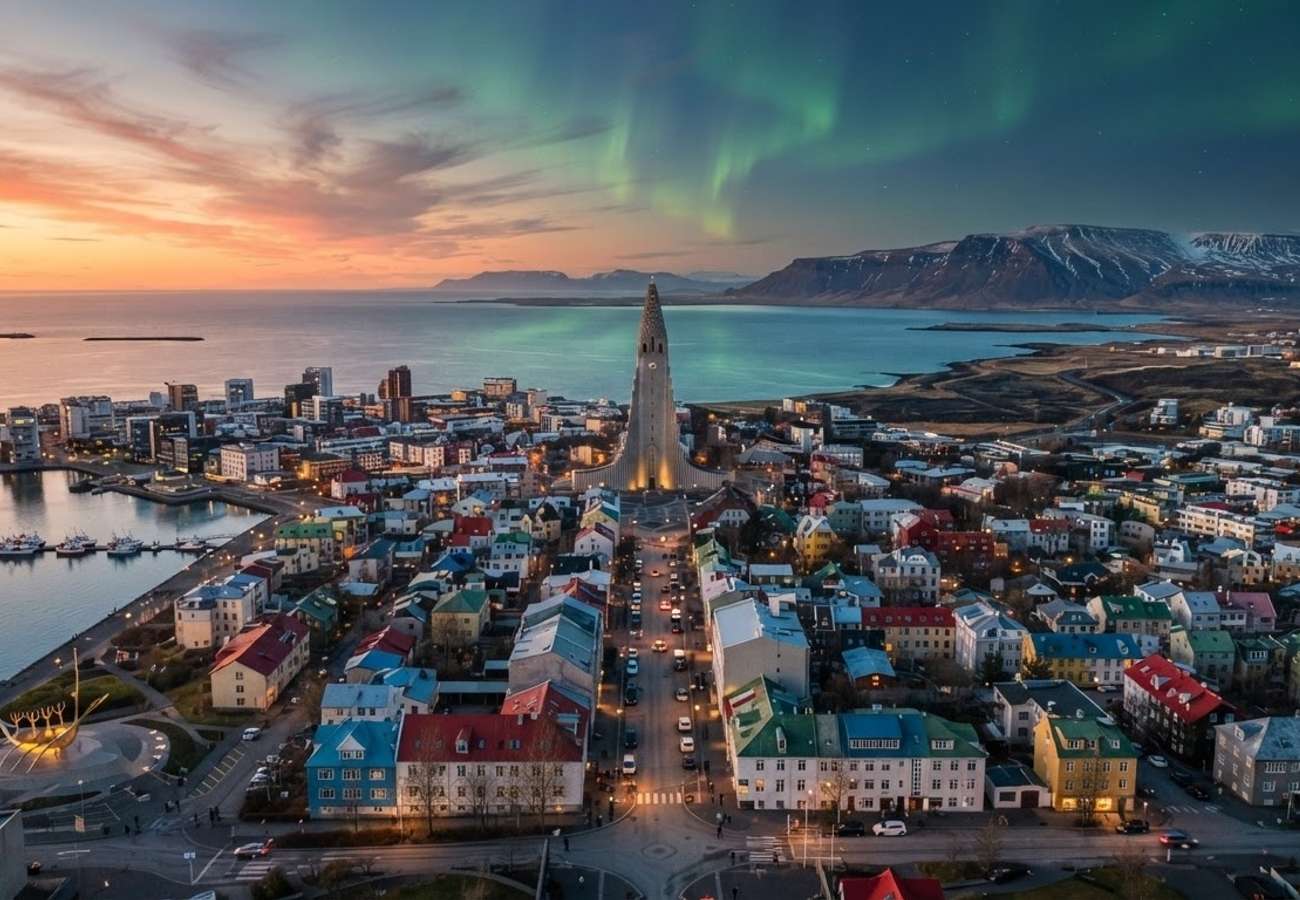
Image generated by AI
International tourism is undergoing a fundamental realignment as travelers abandon overcrowded megacities in favor of cultural depth and environmental sustainability. Current 2026 data for Reykjavik and Dublin indicates a sophisticated blend of destination loyalty and regional exploration, with national statistics showing a marked increase in stay durations and seasonal dispersal across both Iceland and Ireland.
The global travel landscape has moved beyond the volatile recovery phase following the pandemic, entering a period of structural consolidation. While the 2022–2024 window was defined by a surge in pent-up demand, 2026 marks a maturation of consumer preferences. High-density hubs like Rome, Paris, and Amsterdam are seeing a relative decline in appeal as travelers pivot toward mid-sized capitals that prioritize authentic heritage, stringent safety standards, and immediate access to nature.
The Rise of Shelf Discovery and Destination Loyalty
Industry observers have identified a new behavioral phenomenon known as "shelf discovery." This trend describes a selection process where travelers choose destinations based on curated, niche cultural appeals that are presented as ready-for-immediate-consumption—similar to selecting a premium product from a boutique shelf.
Simultaneously, the nature of destination loyalty has evolved. Travelers are not returning to gateways like Dublin and Reykjavik to repeat the same itineraries. Instead, they are utilizing these familiar, high-functioning capitals as secure logistical anchors to facilitate deeper, more remote regional exploration.
Global Tourism Paradigm Shift (2026)
| Traditional Travel Pattern | 2026 Emergent Pattern |
|---|---|
| High-density Megacities | Secondary Capital Hubs |
| Short Peak-Season Trips | Extended Off-Peak Stays |
| Superficial Sightseeing | Deep Regional Dispersal |
| Concentrated Footfall | High-Yield Sustainability |
Competitive Advantages of Secondary European Capitals
Cities with populations under one million that maintain international-grade infrastructure are currently outperforming larger metropolitan areas. Reykjavik, with a city population of roughly 140,000 (within a national total of 390,000), and Dublin, which supports a metropolitan population of approximately 1.5 million, offer specific advantages:
- Human-Scale Urbanism: Both cities feature high walkability and efficient navigation, avoiding the logistical paralysis common in larger capitals.
- Environmental Integration: Travelers benefit from rapid transitions from urban centers to coastal ecosystems or wilderness areas.
- Stability and Security: Consistently high rankings on global peace indices continue to drive confidence for long-haul visitors.
- Digital Infrastructure: The seamless integration of public Wi-Fi, digital visitor management, and contact-free payment systems enhances the user experience.
These factors allow medium-sized centers to maximize the economic yield per visitor while reducing the socio-environmental strain associated with mass tourism.
Performance Metrics for Iceland and Ireland in 2026
Data released by the Central Statistics Office (CSO) in Ireland and Statistics Iceland (Hagstofa Íslands) shows a pivot from volume-based success to value-based indicators. The following table outlines the key performance indicators for the year to date.
Tourism Key Performance Indicators (2026 YTD)
| Metric | Reykjavik / Iceland | Dublin / Ireland | Year-on-Year Growth |
|---|---|---|---|
| Average Length of Stay (International) | 7.8 Nights | 6.9 Nights | +8.4% |
| Average Expenditure Per Visitor | €1,420 | €1,180 | +6.2% |
| Off-Peak Travel Share (Nov–Mar) | 41.5% | 38.2% | +5.1% |
| Regional Dispersal Rate (Outside Capital) | 68.0% | 61.5% | +9.3% |
| Hotel Occupancy (Capital Core) | 79.4% | 82.1% | +1.8% |
The growth in off-peak visitation suggests that strategic initiatives to promote autumn, winter, and spring travel are successfully extending the operational window of these destinations.
Seasonal Visitor Dispersal (2026)
- Reykjavik: Peak Season (Jun-Aug): 58.5% | Off-Peak (Sep-May): 41.5%
- Dublin: Peak Season (Jun-Aug): 61.8% | Off-Peak (Sep-May): 38.2%
Regional Dispersal and Visitor Behavior
A critical trend in 2026 is the use of capitals as "launchpads." In Dublin, repeat visitors from Great Britain and North America are allocating up to 60% of their itineraries to secondary regions, including the Hidden Heartlands, the Wild Atlantic Way, and Ireland’s Ancient East.
In Iceland, a similar pattern is emerging. Travelers are moving beyond the standard Golden Circle day trips. Flight and rental data indicate an increase in car rental durations as visitors explore the Arctic Coast Way, North Iceland, the Eastfjords, and the Westfjords. Reykjavik serves as the culinary and cultural hub, while the hinterlands satisfy the "shelf discovery" urge.
Official Demographic and Economic Data
According to reports from the Icelandic Tourist Board (Ferðamálastofa) and Statistics Iceland, traffic through Keflavík International Airport (KEF) has reached a state of record stability in the first half of 2026.
Iceland Tourism Demographics 2026
| Source Market | Share of Total Visitors |
|---|---|
| North America (USA & Canada) | 42.1% |
| European Union Nations | 33.4% |
| United Kingdom | 14.8% |
| Rest of the World | 9.7% |
Additional findings from Ferðamálastofa indicate that total bed-nights in the Capital Region rose by 3.4% compared to 2025. Furthermore, 72% of international visitors identified Iceland's commitment to renewable energy and its pristine environment as a primary reason for their visit.
Parallel data from Fáilte Ireland and the CSO emphasizes the growing economic weight of visitor expenditure in Ireland, mirroring the trend of higher-spending, longer-staying tourists.
Why This Matters: The Impact on the Modern Traveler
For the traveler, the shift toward "shelf discovery" and secondary hubs means a move away from the "tourist trap" experience. The transition from megacities to hubs like Reykjavik and Dublin suggests that the modern luxury in travel is no longer about the prestige of the city, but the ease of access to authenticity.
From a logistical standpoint, the increased regional dispersal rate (up to 68% in Iceland) indicates that infrastructure in rural areas is becoming more robust. However, it also means that travelers must plan more meticulously for car rentals and off-peak accommodation, as the "off-peak" window is becoming increasingly popular. The data suggests that the most rewarding experiences in 2026 are found by those who treat the capital city as a gateway rather than the destination itself.
The era of the generic city break is ending, replaced by a strategic search for regional depth.
Related Travel Guides
Disclaimer
This article is for informational and educational purposes only. It does not constitute legal, financial, or professional advice. While we strive to provide accurate and up-to-date information, travel policies, regulations, and conditions change rapidly. Always verify information with official sources before making travel decisions. Nomad Lawyer makes no representations about the accuracy, reliability, completeness, or suitability of the information provided. Readers should consult qualified professionals for advice specific to their circumstances. The views expressed in this article are those of the author and do not necessarily reflect the views of Nomad Lawyer.
Raushan Kumar
Founder & Lead Developer
Full-stack developer with 11+ years of experience and a passionate traveller. Raushan built Nomad Lawyer from the ground up with a vision to create the best travel and law experience on the web.
Learn more about our team →