
Dental Experts Warn of Rising Red-Eye Flights Dental Health Risks as Transatlantic Long-Haul Passengers Suffer Silent Tooth and Gum Damage: Everything You Need to Know
Overnight red-eye flights trigger severe dry mouth, enamel erosion, and gum damage. Dental experts reveal how to protect your teeth on long-haul routes.

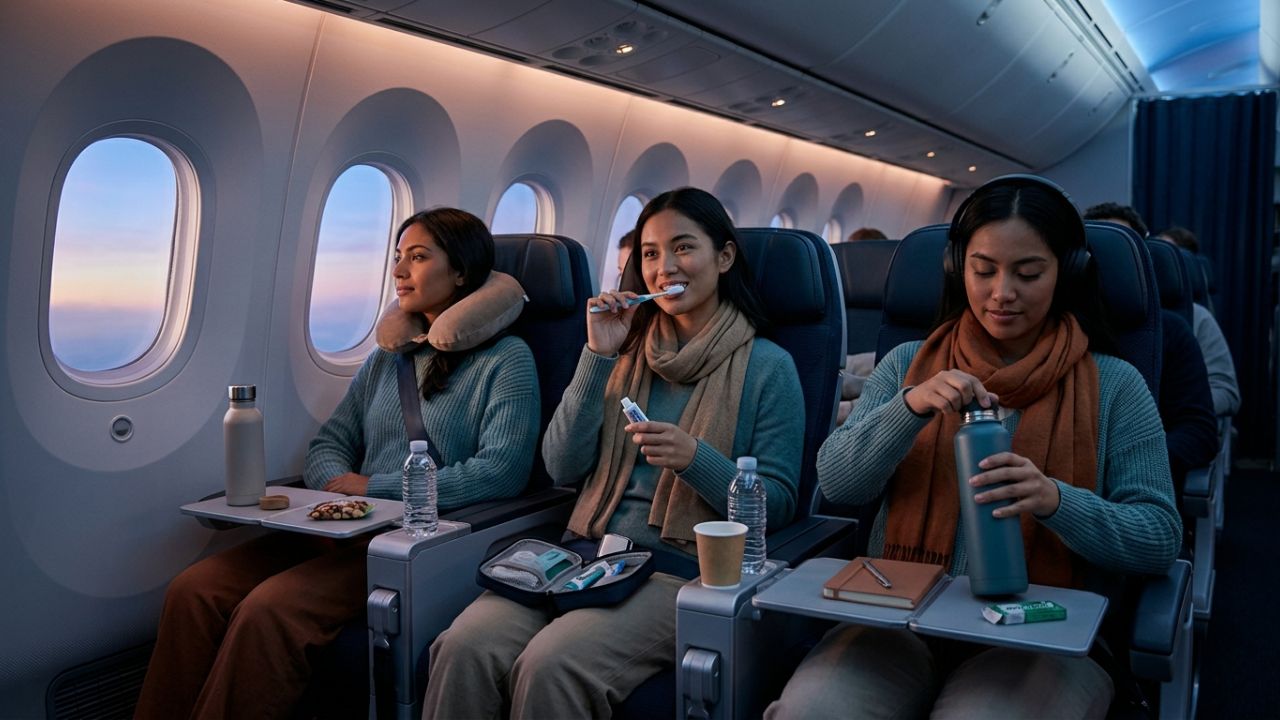
Image generated by AI
Published on June 24, 2026
A growing dental health concern is quietly emerging inside long-haul aircraft cabins as travelers unknowingly damage their teeth and gums during overnight travel. As global aviation corridors expand, a significant portion of frequent flyers are experiencing silent dental and gum strain due to overlooked red-eye flights dental health issues. The combination of dry cabin air, unconscious mouth breathing, and cabin dehydration during long journeys can weaken enamel and irritate gums. Travelers on transatlantic and transpacific routes must understand these risks and adapt their in-flight habits to protect their oral health.
The physical strain associated with overnight air travel often distracts passengers from basic self-care routines. While flyers focus on adjusting to new time zones or getting rest in cramped spaces, their oral environment experiences severe dehydration. Because saliva production drops sharply in low-humidity cabins, the mouth's natural defense mechanism is compromised, leaving enamel vulnerable to acid attacks. Recognizing the signs of in-flight oral stress is the first step toward preventing long-term dental complications.
Quick Summary
- Extremely Low Cabin Humidity: Aircraft cabins drop to 10–20 percent humidity, causing dry mouth conditions where bacteria multiply and acid levels rise.
- High-Altitude Pressurization Impact: Simulated altitudes of 6,000 to 8,000 feet affect bodily fluids, worsening gum inflammation and tooth sensitivity.
- Mouth Breathing Exposure: Sleeping in upright seats encourages mouth breathing, exposing teeth to 6 to 8 hours of continuous drying during sleep.
- Dehydrating Drink Selection: Many travelers aggravate dry mouth by replacing water with dehydrating beverages like coffee, tea, or alcohol.
- Dental Decay Acceleration: Overnight meal services often introduce hidden sugars and acids that remain on teeth, accelerating enamel erosion.
Context and Background: The Threat to Red-Eye Flights Dental Health
The modern aviation industry relies heavily on overnight schedules to connect major financial and cultural centers. From business professionals looking to maximize meetings to tourists crossing multiple time zones, overnight travel is a standard part of global mobility. However, the unique environmental conditions of commercial aviation present hidden challenges to human physiology that are often ignored.
Specifically, dental professionals and clinical researchers are identifying a direct link between long-distance flights and chronic oral health issues. As aircraft cross transatlantic and transpacific corridors, passengers spend hours exposed to dry cabin air and pressurized environments that disrupt the mouth's natural defenses. Understanding how these factors interact is essential for frequent flyers who want to maintain their long-term oral well-being, according to clinical guidelines on American Dental Association (ADA) resources.
Event and Incident Details: Dental Experts Reveal the Severity of Red-Eye Flights Dental Health Damage
A series of assessments by dental care groups highlight how common travel habits during long-haul flights damage teeth and gums. These issues are particularly prevalent along major corridors connecting the United States, the United Kingdom, Europe, the Middle East, and Asia. In particular, long-distance flights lasting over eight hours, such as routes from the United Kingdom to the United Arab Emirates or the United States to India, expose passengers to prolonged oral health risks.
To outline the cabin factors, risk parameters, and geographic indicators associated with in-flight dental health, the table below highlights key data:
| Oral Health Parameter / Flight Factor | Recorded Environmental and Operational Context | Strategic Health Risk for Long-Haul Passengers |
|---|---|---|
| Cabin Humidity Levels | Drops to 10–20 percent (much lower than standard ground conditions) | Reduces saliva sharply, creating a dry mouth environment for bacteria |
| Simulated Cabin Altitude | Pressurized to simulate 6,000 to 8,000 feet | Alters oxygen levels and fluid balance, increasing gum inflammation |
| Typical Sleep Duration | Passengers sleep 6 to 8 hours on major long-haul routes | Encourages mouth breathing in upright seats, stripping protective saliva |
| Aggravating In-Flight Drinks | Coffee, tea, and alcohol served during boarding and transit | Worsens dehydration and actively suppresses natural saliva production |
| Late-Night Meal Sugars | Snacks and drinks containing hidden sugars and acids | Promotes bacterial acid production that attacks unprotected enamel |
These environmental pressures are compounded by the timing of overnight schedules. Passengers flying from North America to Europe or Asia to the Middle East consume late-night meals or snacks, then fall asleep without brushing. This allows sugar and acids to remain in contact with teeth for hours, accelerating dental decay and increasing oral sensitivity.
Risk and Impact Section: Dry Cabin Conditions and Dental Threats
The combination of artificial cabin conditions and common traveler choices creates a high-risk environment for oral health:
- Enamel Erosion and Weakening: Without the neutralizing protection of saliva, acids from food, sugary snacks, and carbonated beverages attack tooth enamel directly, leading to permanent erosion.
- Gum Inflammation and Recession: Dry mouth conditions and high-altitude pressure changes cause gum tissues to become inflamed, swollen, and more susceptible to recession and infections.
- Bacterial Proliferation: The sharp reduction in saliva allows harmful oral bacteria to thrive, increasing the risk of bad breath, plaque buildup, and cavities.
- Aggravation of Pre-Existing Dental Issues: Pressure changes can trap micro-bubbles of air in existing cavities or under old fillings, causing localized pain and sensitivity.
- Circulatory and Dehydration Stress: Dehydration caused by dry cabin air and alcohol consumption reduces overall fluid levels, further decreasing the body's ability to produce protective saliva.
What Dental Experts and Industry Specialists Are Saying
Dental professionals are urging travelers to prioritize oral hygiene during long-haul flights. Clinical experts warn that saliva is the mouth's primary natural defense system, and losing its protective enzymes during flight leaves enamel vulnerable. The Oral Health Foundation guidance emphasizes that dry mouth conditions accelerate bacterial activity, making regular water intake during overnight travel essential.
Additionally, aviation health planners are encouraging airlines to incorporate oral health awareness into their passenger wellness programs. While many airlines provide basic amenities, wellness-focused packages rarely include oral health-specific tools. Industry advocates suggest that educating passengers on in-flight hydration and hygiene is a simple way to improve passenger comfort and long-term health outcomes.
Practical Traveler Advice Section: Essential Habits for Maintaining Red-Eye Flights Dental Health
For passengers looking to protect their teeth and gums during overnight travel, dental experts recommend the following actionable strategies:
- Brush Thoroughly Prior to Boarding: Always clean your teeth before stepping onto the aircraft to remove plaque and food debris before cabin drying begins.
- Stay Hydrated with Water: Drink plain water consistently before, during, and after your flight, and avoid substituting water with coffee, tea, or alcohol.
- Chew Sugar-Free Gum during the Flight: Use sugar-free gum to stimulate saliva flow, neutralise cabin acidity, and keep the mouth moist when sleep is not possible.
- Carry a Compact Oral Care Kit: Pack a travel toothbrush, fluoride toothpaste, and alcohol-free mouthwash in your carry-on luggage for easy access during the flight.
- Use Alcohol-Free Mouthwash: Rinse with alcohol-free mouthwash to freshen your mouth without worsening dryness.
- Avoid Sugary Snacks on Night Flights: Decline late-night desserts or sweetened beverages, especially if you plan to sleep immediately after eating.
Broader Context Section: Global Passenger Wellness and Aircraft Design
The rise in long-haul travel has highlighted the need for improved passenger wellness solutions. Modern aircraft like the Boeing 787 Dreamliner and Airbus A350 feature advanced cabin air systems that maintain slightly higher humidity levels than older models. However, even these modern systems cannot replicate natural ground humidity, leaving cabin conditions dry, as detailed in Boeing 787 Dreamliner environmental design specifications.
Awareness of these risks varies significantly between regions. In the United States and the United Kingdom, dental hygiene awareness is growing among frequent flyers, particularly corporate travelers who take multiple red-eye flights per month. In contrast, emerging travel markets in Asia and the Middle East, including India, China, and the United Arab Emirates, are experiencing rapid tourism growth, but structured awareness around in-flight oral health remains limited.
What to Expect Next / Looking Ahead: Air Quality Improvements and In-Flight Innovation
As the aviation and wellness sectors continue to align, travelers can expect to see more oral health-focused amenities in commercial cabins. Some airlines are exploring wellness-focused partnerships to provide passengers with hydration kits and improved meal planning that reduces acidic foods on overnight routes.
Furthermore, dental associations are expected to launch broader public campaigns targeting frequent business travelers. By highlighting the cumulative impact of cabin environments on teeth and gums, these initiatives aim to make in-flight oral care a standard part of modern travel prep, ensuring global mobility does not compromise oral health.
Conclusion: Prioritizing Oral Health in the Skies
The dental health risks associated with long-haul red-eye flights represent a quiet but significant travel health concern. By understanding the combined impact of dry cabin air, mouth breathing, and sugary snacks, travelers can take simple steps to protect their teeth and gums. Bringing a travel toothbrush, avoiding dehydrating beverages, and staying hydrated with water will ensure your journey is safe, comfortable, and healthy.
Related Travel Guides
Sleep Travel Rule: Does the 7:1 Formula Really Work for Jet-Lagged Professionals?
Wellness Global Katherine Droga: Ancient Rituals Beat Trends in $9T Travel Market
10 Essential Long-Haul Flight Health Tips, According to Reddit
Disclaimer: Aviation health recommendations are for informational purposes only. Individuals with pre-existing dental conditions, severe dry mouth, or active gum disease should consult their dentist for personalized in-flight care strategies before embarking on long-haul travel.
FAQ: Red-Eye Flights Dental Health Risks
Why do red-eye flights pose a higher risk to dental health than daytime flights?
Overnight flights combine long periods of sleep with low cabin humidity (10–20%), which sharply reduces saliva production. Without saliva, the mouth cannot neutralize acids, creating an environment where harmful bacteria thrive and attack tooth enamel.
How does aircraft cabin pressure affect teeth and gums?
Cabins pressurized to simulated altitudes of 6,000 to 8,000 feet alter bodily fluid balance and oxygen levels. This change can worsen gum inflammation and aggravate pre-existing dental conditions, causing tooth sensitivity and discomfort.
What drinks should be avoided during long-haul flights to protect oral health?
Travelers should avoid coffee, tea, and alcohol before and during flight hours. These beverages are diuretics that worsen dehydration and suppress saliva production, compounding dry mouth conditions.
Can chewing gum help maintain oral hygiene during a flight?
Yes, chewing sugar-free gum stimulates saliva production, which helps clean the mouth naturally, neutralizes acidic environments, and protects enamel surfaces when brushing is not possible.
What should be included in a traveler's in-flight oral care kit?
A travel-friendly oral care kit should contain a compact toothbrush, fluoride toothpaste, dental floss, and alcohol-free mouthwash to prevent adding to dry mouth conditions.
Disclaimer
This article is for informational and educational purposes only. It does not constitute legal, financial, or professional advice. While we strive to provide accurate and up-to-date information, travel policies, regulations, and conditions change rapidly. Always verify information with official sources before making travel decisions. Nomad Lawyer makes no representations about the accuracy, reliability, completeness, or suitability of the information provided. Readers should consult qualified professionals for advice specific to their circumstances. The views expressed in this article are those of the author and do not necessarily reflect the views of Nomad Lawyer.
Kunal K Choudhary
Co-Founder & Contributor
A passionate traveller and tech enthusiast. Kunal contributes to the vision and growth of Nomad Lawyer, bringing fresh perspectives and driving the community forward.
Learn more about our team →