
Reagan Pilots Animal Sounds: ATC Delivers Sharp Rebuke on Emergency Frequency
An air traffic control recording captures a Reagan National Airport controller slamming regional airline pilots for making animal sounds on the emergency Guard frequency. The viral incident highlights safety and professionalism concerns in 2026 aviation.

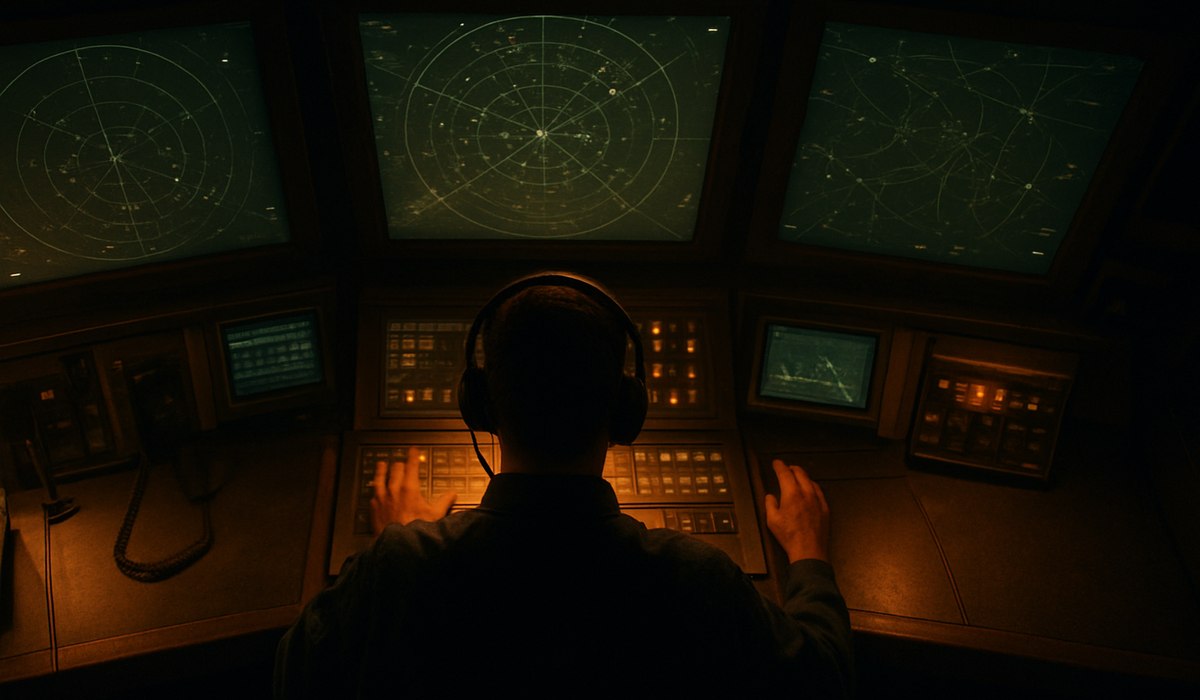
Image generated by AI
Reagan Pilots Caught Making Animal Sounds on Emergency Guard Frequency
A regional airline incident at Ronald Reagan Washington National Airport (DCA) has ignited widespread discussion about cockpit professionalism and frequency discipline. An air traffic control recording, now circulating across aviation communities online, documents a controller firmly reprimanding Delta Air Lines and American Airlines Bombardier CRJ pilots for making animal noises over the emergency Guard frequency—a channel designated exclusively for critical safety communications. The viral exchange showcases mounting frustration with disruptive, unprofessional behavior that threatens the integrity of essential aviation communication systems. This incident underscores ongoing challenges facing regional carriers operating high-density airspace near major metropolitan airports in 2026.
The Guard frequency, officially known as 121.5 MHz, exists as a universal aviation emergency channel. Controllers and pilots rely on this frequency during critical situations requiring immediate intervention. When non-emergency transmissions clutter this channel, legitimate safety communications face dangerous delays and interference. The Reagan National incident demonstrates how even seemingly minor unprofessional conduct can compromise the safety infrastructure protecting thousands of daily travelers.
What Happened on the Guard Frequency
The recorded exchange captures a controller working Reagan National's airspace responding to audible animal sounds transmitted by regional aircraft pilots. The Bombardier CRJ regional jets, operated by crews contracted to serve Delta and American Airlines routes, were broadcasting distracting audio instead of maintaining professional radio discipline. The controller's response—delivered with evident frustration—emphasized the gravity of Guard frequency misuse and the regulatory consequences pilots face.
Guard frequency abuse represents a persistent problem in busy terminal airspace. Controllers at major hubs like DCA handle hundreds of transmissions daily, and non-emergency chatter creates bottlenecks that slow traffic flow and compromise safety protocols. The Reagan National incident illuminates how regional pilots, despite extensive training requirements, sometimes lapse into unprofessional behavior during routine operations. This raises critical questions about cockpit culture, fatigue, and adherence to Federal Aviation Administration (FAA) communication standards that every carrier must enforce.
The specific nature of the animal sounds—whether deliberate jokes, stress responses, or momentary lapses—remains unclear from publicly available information. However, the controller's sharp rebuke signals zero tolerance for such conduct, reflecting industry-wide commitment to maintaining Guard frequency sanctity. Federal regulations stipulate that unauthorized or frivolous Guard transmissions warrant investigation and potential enforcement action against both pilots and their employers.
Why This Matters for Aviation Safety
Guard frequency integrity directly impacts your safety as a traveler. When pilots broadcast non-emergency content on 121.5 MHz, they delay critical communications from aircraft experiencing genuine emergencies. A pilot declaring engine failure, structural damage, or medical crisis depends on immediate controller response. Animal sounds, chatter, or other distractions consume precious seconds that could prove lifesaving.
The Reagan National incident also highlights quality control challenges within regional airline operations. These carriers operate Bombardier CRJ aircraft serving trunk routes for major airlines, transporting thousands of passengers daily across critical corridors. When regional pilots demonstrate unprofessional behavior, it reflects on the entire airline ecosystem and raises passenger concerns about operational standards.
Professional aviation culture depends on discipline at every level. The Federal Aviation Administration establishes strict communication protocols, and controllers enforce them through direct intervention—precisely as documented in this recording. The viral nature of this incident means airline management at both Delta and American Airlines now face pressure to investigate their regional partners' training and accountability systems.
This moment also connects to broader workforce concerns in regional aviation. Regional pilots operate under demanding schedules, often with lower compensation than major carrier counterparts. Fatigue, stress, and turnover can erode professional standards. Airlines must invest in training reinforcement, mentorship, and workplace culture that prioritizes safety over casual humor in critical operational environments.
The Viral Moment and Industry Response
The audio recording gained rapid traction across social media platforms within hours of publication. Aviation enthusiasts, professional pilots, flight attendants, and safety advocates shared the clip extensively, sparking discussions about regional airline professionalism. The incident trended in aviation communities on X and industry-specific forums, with commenters debating cockpit culture and controller authority.
Major aviation news outlets picked up the story, amplifying its reach beyond traditional aviation circles. News organizations highlighted both the unprofessional behavior and the controller's firm response, treating the incident as a teachable moment about communication discipline. Industry publications used the Reagan National recording to examine systemic issues within regional operations and training protocols.
Delta Air Lines and American Airlines—the major carriers whose regional partners operated the aircraft involved—faced implicit scrutiny regarding oversight of their contract carriers. Neither airline has issued public statements about the specific incident, though both carriers maintain strict adherence to FAA communication standards in their published safety policies. The viral moment creates accountability pressure that may prompt formal safety audits or training enhancements among regional operators.
Aviation safety organizations, including the National Transportation Safety Board-affiliated communities, used the incident to reinforce Guard frequency discipline messaging. The recording serves as real-world evidence in safety training presentations, demonstrating consequences of unprofessional radio work. Controllers nationwide shared the clip as a cautionary tale during crew briefings.
Regional Airlines and Professional Standards
Regional airlines operate the majority of short-haul flights in North American airspace, yet they employ less experienced pilots than major carriers. This workforce demographic creates ongoing training challenges. Bombardier CRJ pilots represent a crucial segment of the aviation workforce, yet they navigate complex pressures: tight scheduling, lower compensation than major airline pilots, and demanding frequency management in congested airspace.
The Reagan National incident reflects systemic issues within the regional aviation sector. Training programs emphasize technical proficiency but sometimes struggle to reinforce professional culture consistently. New pilots entering regional operations may encounter colleagues with varying commitment to communication discipline, potentially normalizing casual radio behavior in certain crew environments.
Airlines must implement robust accountability systems. When pilots engage in Guard frequency abuse, consequences should include remedial training, formal reprimands, and monitoring protocols. The Reagan National incident provides opportunity for carriers to reinforce expectations through company-wide communications and enhanced training modules.
Quality of life factors also influence professionalism. Regional pilots enduring extended duty cycles, inadequate rest, or scheduling pressures may experience fatigue that clouds judgment during flight operations. Airlines investing in crew scheduling optimization, fatigue risk management, and wellness programs often see corresponding improvements in professional standards and safety metrics.
The incident also highlights controller-pilot relationships. Controllers hold authority to address unprofessional behavior directly through radio, as documented in the Reagan National recording. Pilots must understand that controllers are empowered to enforce communication standards, and violations carry regulatory consequences. This mutual accountability—when properly understood by both parties—strengthens overall operational culture.
Key Safety and Operations Data
| Metric | Details |
|---|---|
| Incident Location | Ronald Reagan Washington National Airport (DCA), Washington DC |
| Aircraft Type | Bombardier CRJ (Regional jet, 50-76 seats) |
| Operating Airlines | Delta Air Lines & American Airlines regional contracts |
| Affected Frequency | Guard 121.5 MHz (Universal aviation emergency channel) |
| Incident Date | April 2026 |
| Primary Issue | Unprofessional animal sounds on emergency frequency |
| Regulatory Body | Federal Aviation Administration (FAA) |
| Daily DCA Flights | Approximately 400-500 operations daily |
| Regional Jet Market Share | Approximately 35-40% of US domestic capacity |
| Guard Frequency Misuse Penalties | FCC fines up to $112,500 per violation, FAA pilot certificate actions |
What This Means for Travelers
As a passenger, Guard frequency discipline directly impacts your flight safety and operational efficiency. Understanding these issues helps you recognize the importance of professional standards throughout your travel experience. Here's your traveler action checklist:
- Report safety concerns: If you observe unprofessional pilot or crew behavior during flight, document specific details and report incidents to [your airline's
Disclaimer
This article is for informational and educational purposes only. It does not constitute legal, financial, or professional advice. While we strive to provide accurate and up-to-date information, travel policies, regulations, and conditions change rapidly. Always verify information with official sources before making travel decisions. Nomad Lawyer makes no representations about the accuracy, reliability, completeness, or suitability of the information provided. Readers should consult qualified professionals for advice specific to their circumstances. The views expressed in this article are those of the author and do not necessarily reflect the views of Nomad Lawyer.
Kunal K Choudhary
Co-Founder & Contributor
A passionate traveller and tech enthusiast. Kunal contributes to the vision and growth of Nomad Lawyer, bringing fresh perspectives and driving the community forward.
Learn more about our team →