
RAKEZ Targets Global Food Manufacturers at Future Food Summit 2026 in Ras Al Khaimah
Ras Al Khaimah Economic Zone (RAKEZ) leverages the Future Food Summit 2026 to attract F&B manufacturers through circular economy infrastructure and strategic UAE food security initiatives.

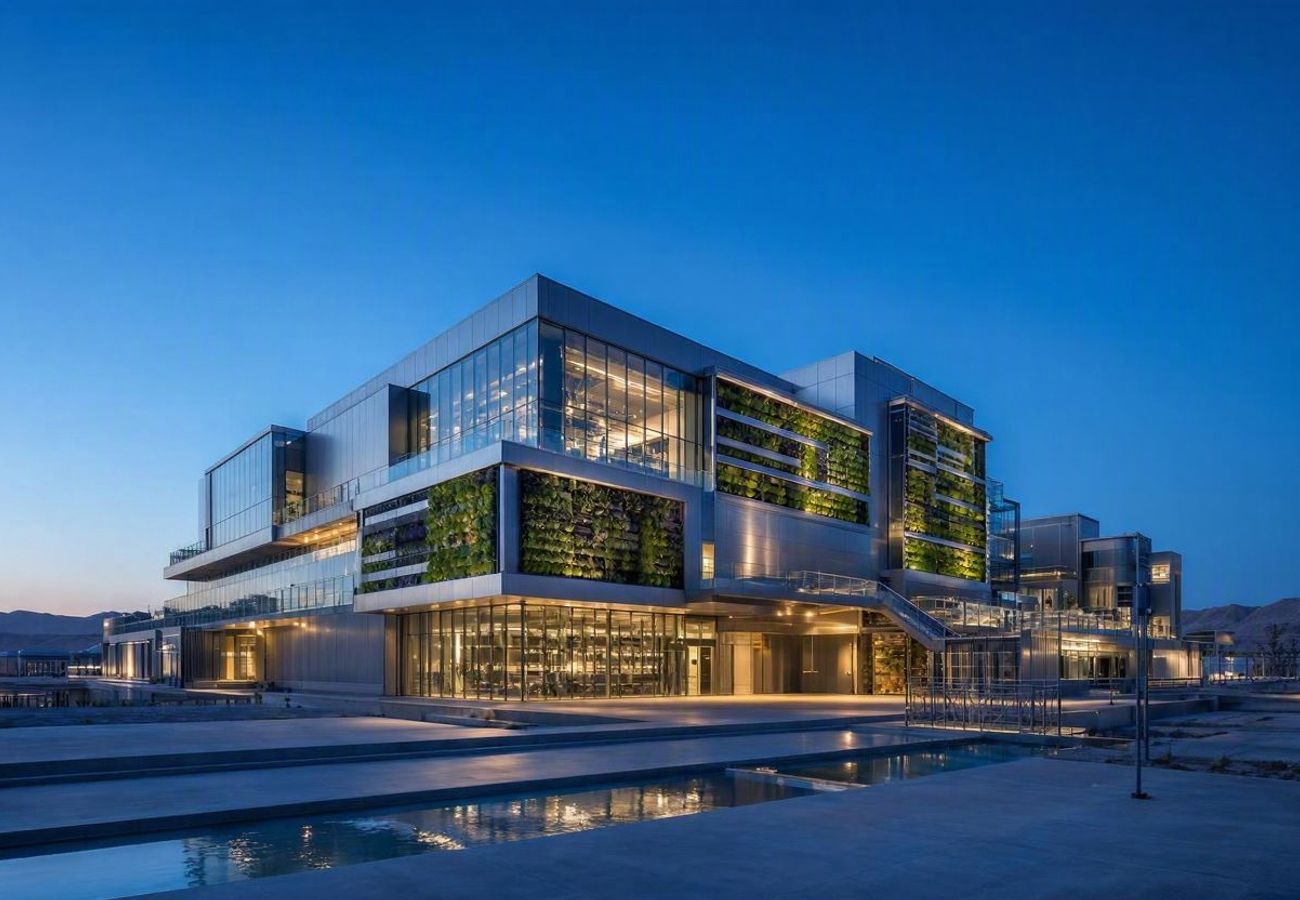
Image generated by AI
The eighth edition of the Future Food Summit, held on 2 October 2026, served as the primary launchpad for Ras Al Khaimah to aggressively court international food and beverage (F&B) manufacturers. By securing a Silver Sponsorship at the event, the Ras Al Khaimah Economic Zone (RAKEZ) signaled a strategic shift toward transforming the emirate into a regional nexus for industrial food production, moving beyond simple land leasing to offering a fully integrated industrial ecosystem.
The Strategic Pivot to Industrial Food Ecosystems
The Future Food Summit 2026 was not merely a networking event but a coordinated effort by the UAE Ministry of Economy and the UAE Food Cluster to realign the nation's industrial priorities. For RAKEZ, the objective is to attract companies that require more than just warehouse space; they are targeting manufacturers who need a symbiotic relationship between production, storage, and distribution.
The push is driven by a necessity to decouple food production from volatile global supply chains. By concentrating logistics, waste-management systems, and utilities within a single economic zone, RAKEZ aims to lower the barrier to entry for foreign firms looking to penetrate the Middle Eastern and North African (MENA) markets. This approach transforms the economic zone from a passive landlord into an active orchestrator of the F&B value chain.
Infrastructure and Circularity Metrics
A core component of the RAKEZ strategy is the transition toward a "Net-Zero Food Chain." During the summit, RAKEZ leadership emphasized a circular production model where the waste of one facility becomes the raw material for another. This is a direct response to the high resource intensity of food manufacturing, which typically consumes vast amounts of water and energy.
The following table breaks down the industrial priorities highlighted by RAKEZ during the 2026 summit:
| Focus Area | Strategic Objective | Operational Implementation |
|---|---|---|
| Resource Efficiency | Lower Operating Costs | Shared water reuse and energy-efficient utility grids |
| Supply Chain | Regional Market Access | Proximity between manufacturers and logistics providers |
| Waste Management | Circular Economy | Conversion of organic by-products into industrial inputs |
| Food Security | National Resilience | Alignment with the UAE National Food Security Strategy 2051 |
| Business Scaling | Capacity Expansion | Tiered infrastructure for startups vs. large-scale plants |
Expert Analysis: The Commercial Logic of Circularity
For investors and manufacturers, the "circularity" discussed by Puneet Jain, RAKEZ Chief Strategy Officer, is not merely an environmental gesture—it is a cost-reduction strategy. In the F&B sector, the highest overheads often stem from waste disposal and raw material procurement. By implementing a shared infrastructure model, RAKEZ is effectively socializing the cost of sustainability.
For a traveler or business owner booking a facility in this zone, the direct consequence is a reduction in CAPEX. Instead of building a proprietary water treatment plant or waste processing unit, a manufacturer can plug into a zone-wide system. This creates a competitive pricing pressure on other regional hubs that still rely on linear "take-make-waste" models.
Furthermore, this initiative is a tactical execution of the International Air Transport Association (IATA) and global logistics trends toward shorter, more resilient supply chains. By producing food closer to the point of consumption and utilizing the UAE's strategic geography, RAKEZ is reducing the carbon footprint and the lead time of food delivery, which is a critical requirement for perishable goods.
Key Takeaways
- Strategic Positioning: RAKEZ is utilizing the Future Food Summit 2026 to pivot Ras Al Khaimah from a general trade zone to a specialized F&B manufacturing hub.
- Cost Mitigation: The "Net-Zero Food Chain" model focuses on shared infrastructure to reduce individual company spending on waste and energy.
- National Alignment: All RAKEZ industrial expansions are designed to support the UAE National Food Security Strategy 2051.
- Investment Appeal: The zone offers a connected ecosystem of suppliers, logistics, and technology providers to streamline the scaling of production.
FAQ: RAKEZ Food Manufacturing 2026
What is the primary goal of RAKEZ at the Future Food Summit 2026? RAKEZ aims to attract global food and beverage manufacturers by showcasing Ras Al Khaimah's industrial infrastructure, focusing on sustainability, circular economy models, and regional market access.
How does the circular economy benefit food manufacturers in Ras Al Khaimah? It allows companies to share resources and infrastructure. By-products from one factory can be used as inputs for another, reducing waste disposal costs and lowering raw material expenses.
How does this initiative relate to UAE food security? By increasing domestic manufacturing capacity and reducing reliance on imports, RAKEZ helps the UAE meet its National Food Security Strategy 2051 goals for a more resilient food supply.
What specific supports does RAKEZ provide to F&B companies? RAKEZ provides integrated access to industrial facilities, connected logistics, utilities, waste-management systems, and business support for companies at all growth stages.
The shift toward circular industrial zones marks the end of the isolated factory era in the Gulf.
Related Travel Guides
Disclaimer
This article is for informational and educational purposes only. It does not constitute legal, financial, or professional advice. While we strive to provide accurate and up-to-date information, travel policies, regulations, and conditions change rapidly. Always verify information with official sources before making travel decisions. Nomad Lawyer makes no representations about the accuracy, reliability, completeness, or suitability of the information provided. Readers should consult qualified professionals for advice specific to their circumstances. The views expressed in this article are those of the author and do not necessarily reflect the views of Nomad Lawyer.
Kunal K Choudhary
Co-Founder & Contributor
A passionate traveller and tech enthusiast. Kunal contributes to the vision and growth of Nomad Lawyer, bringing fresh perspectives and driving the community forward.
Learn more about our team →