
Glasgow Ranks 6th Globally in 2026 Destination Sustainability Index as UK Green Tourism Scales
Glasgow has secured the top spot in the UK and 6th place worldwide in the 2026 Global Destination Sustainability Index, driven by a 7% increase in green-certified hotels.

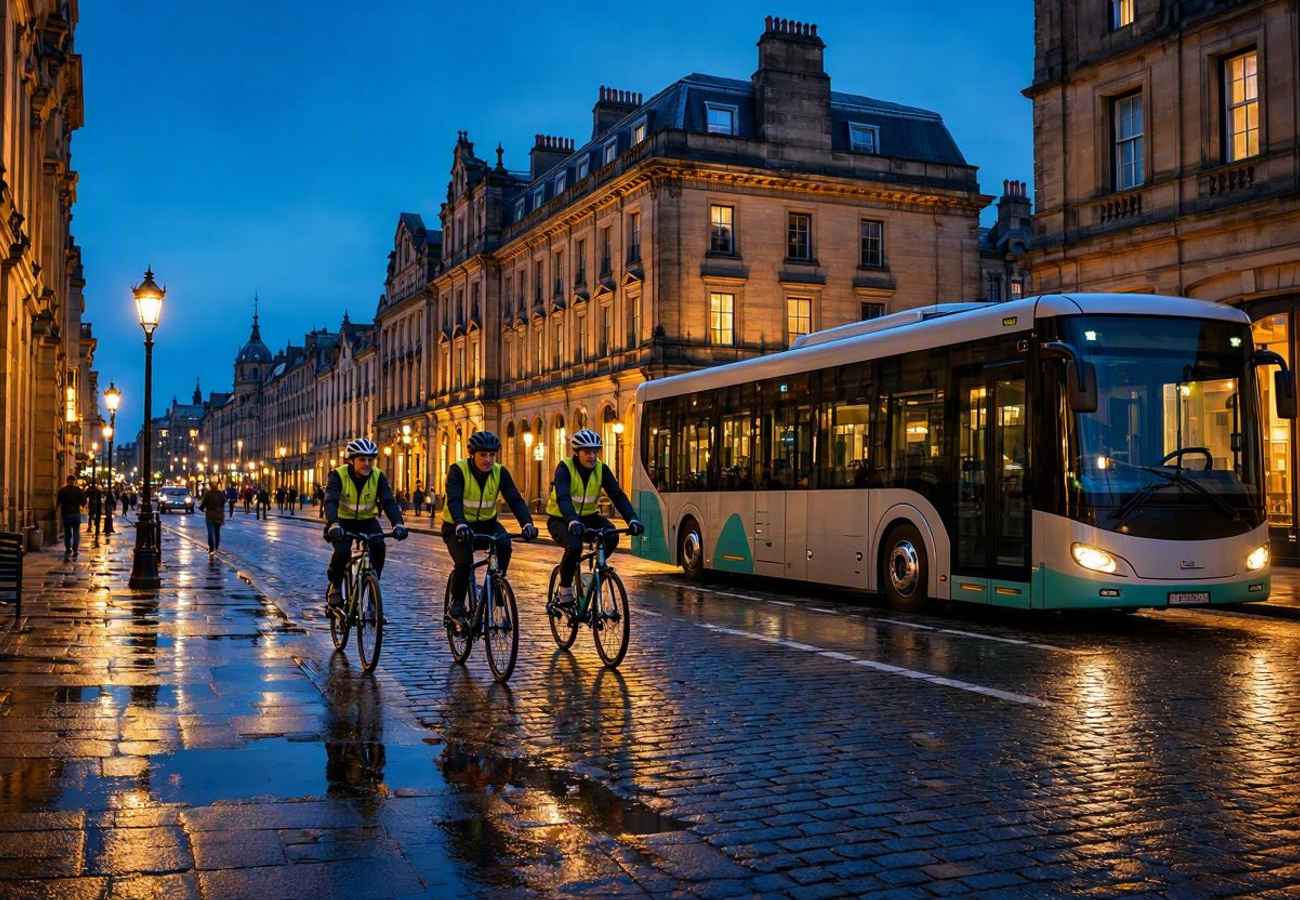
Image generated by AI
Glasgow has ascended to the 6th position globally in the 2026 Global Destination Sustainability Index, officially becoming the highest-ranked city in the United Kingdom. This leap places the Scottish hub in the same elite tier as sustainability leaders in Finland and other pioneering European markets, signaling a systemic shift in how the UK manages urban tourism.
The Sustainability Shift in Numbers
The 2026 index results reveal that Glasgow is no longer just experimenting with green initiatives but is integrating them into its core infrastructure. The city's performance is measured across four primary pillars: environmental performance, destination management, social responsibility, and tourism infrastructure.
The most aggressive growth is visible in the hospitality sector. Currently, 73% of hotels in Glasgow hold official green accreditation. To put this in perspective, this is a significant climb from the 66% reported during the city's 2025 submission. This 7% year-over-year increase indicates a rapid industry-wide adoption of energy efficiency and waste reduction protocols.
Beyond accommodation, the city's cultural assets are aligning with these metrics. Eight of the top 10 visitor attractions in Glasgow have now secured third-party sustainability certifications. This move shifts the burden of responsibility from the individual traveler to the institutional provider, ensuring that museums and galleries operate under verified environmental standards.
Comparative Performance: Glasgow vs. UK Benchmarks
Glasgow's trajectory is a result of a decade-long strategic commitment, having participated in the Global Destination Sustainability Index since 2016. While many UK cities have struggled to move beyond superficial "green-washing," Glasgow has scaled its physical infrastructure to match its policy goals.
The city's commitment to low-carbon mobility is a primary differentiator. With over 300 kilometers of dedicated cycleways and the deployment of electric sightseeing buses, Glasgow is reducing the carbon intensity of the "last mile" of tourism. This is further supported by the city's natural assets, including more than 90 parks and gardens, which allow for high-value tourism with zero motorized transport requirements.
| Metric | 2025 Data | 2026 Data | Variance |
|---|---|---|---|
| Green-Accredited Hotels | 66% | 73% | +7% |
| Global Sustainability Rank | N/A | 6th | Top 10 Entry |
| UK Sustainability Rank | N/A | 1st | Market Leader |
| Certified Top 10 Attractions | < 8 | 8 | Increased Compliance |
| Low-Carbon Cycleway Network | < 300km | 300km+ | Infrastructure Expansion |
What This Means for Travelers
For the modern traveler, Glasgow's ranking removes the guesswork from responsible booking. The high density of certified providers means that "green" is now the default rather than the exception.
Actionable Booking Advice:
- Accommodation: When booking for Q4 2026 or 2027, prioritize hotels with the green accreditation mentioned in the index. With 73% of the market compliant, you can now filter for sustainability without sacrificing luxury or central location.
- Transit: Avoid rental cars within the city limits. Utilize the 300km cycleway network or the electric bus system to align your trip with the city's low-carbon goals.
- Itinerary Planning: Integrate "energy-positive" experiences. For example, visiting the Glasgow Science Centre or exploring the Whitelee Windfarm—the UK's largest onshore windfarm—allows travelers to combine recreation with education on renewable energy.
The Future of Urban Tourism Infrastructure
The trajectory suggests that Glasgow is positioning itself as a global hub for sustainable business events. According to data trends from the World Tourism Organization (UNWTO), international conference organizers are increasingly filtering destinations based on sustainability indices. By securing the top UK spot, Glasgow is likely to see a surge in high-value MICE (Meetings, Incentives, Conferences, and Exhibitions) tourism.
Innovation is also moving into the "experiential" realm. The use of body-heat capture technology at venues like SWG3 to power heating and cooling systems represents a shift toward circular energy economies. As these technologies scale, the traveler's role changes from a passive consumer to a participant in a renewable energy loop.
Furthermore, the integration of renewable energy into traditional luxury—such as the Glengoyne Distillery's use of renewable electricity for whisky production—shows that the "green" transition is penetrating even the most traditional sectors of the Scottish economy. This suggests a future where sustainability is an invisible, integrated component of the premium travel experience rather than a separate "eco-friendly" niche.
FAQ: Glasgow Sustainable Tourism 2026
Will sustainable hotels in Glasgow be more expensive? Not necessarily. As 73% of hotels adopt these standards, green energy efficiency often lowers operating costs, which can stabilize room rates. Sustainability is becoming a standard operational requirement rather than a premium add-on.
Is Glasgow actually easier to navigate without a car? Yes. With over 300km of cycleways and an expanded electric bus fleet, the city is specifically designed for low-carbon exploration. Most top-certified attractions are accessible via these green corridors.
Which attractions are the most sustainable to visit? The Burrell Collection, Kelvingrove Art Gallery, and The Hidden Gardens are highly rated. For those interested in energy infrastructure, the Whitelee Windfarm is the primary destination for renewable energy tourism.
The era of the "eco-resort" is ending; the era of the sustainable city has arrived.
Related Travel Guides
Disclaimer
This article is for informational and educational purposes only. It does not constitute legal, financial, or professional advice. While we strive to provide accurate and up-to-date information, travel policies, regulations, and conditions change rapidly. Always verify information with official sources before making travel decisions. Nomad Lawyer makes no representations about the accuracy, reliability, completeness, or suitability of the information provided. Readers should consult qualified professionals for advice specific to their circumstances. The views expressed in this article are those of the author and do not necessarily reflect the views of Nomad Lawyer.
Preeti Gunjan
Contributor & Community Manager
A passionate traveller and community builder. Preeti helps grow the Nomad Lawyer community, fostering engagement and bringing the reader experience to life.
Learn more about our team →