
Rail Infrastructure InfraGO: German Network Stabilizes in 2026
DB InfraGO's latest rail infrastructure infrago report confirms German rail network stabilization in 2026, halting decades of decline. Condition ratings hold steady as station improvements emerge.

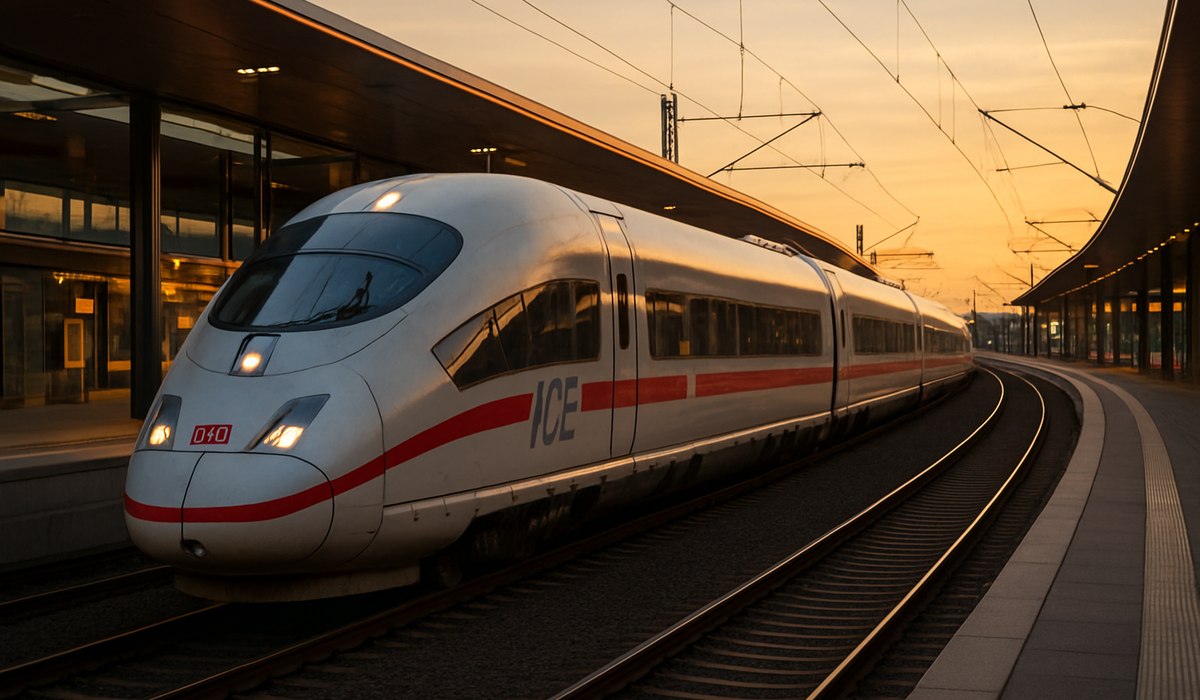
Image generated by AI
Germany's Rail Network Reaches Turning Point After Years of Decline
DB InfraGO has announced that the German rail network has achieved stabilization for the first time in decades, marking a historic shift in infrastructure management. The 2025 condition report reveals that overall network ratings remained unchanged at 3.00, effectively ending a prolonged downward trajectory. This development arrives as Germany invests heavily in railway modernization to improve domestic travel reliability and cross-European connectivity. Station improvements across the network show modest gains, signaling renewed commitment to passenger experience and operational resilience.
DB InfraGO Stabilization Report: What Changed in 2026
The latest data from rail infrastructure infrago operators demonstrates that stabilization efforts are yielding measurable results. The report captures condition assessments across thousands of kilometers of track, switches, and signaling systems spanning the entire German network. DB InfraGO, responsible for maintaining rail infrastructure infrago assets nationwide, previously reported consistent deterioration rates averaging 2-3% annually.
The 2025 findings represent a watershed moment. Network condition ratings plateaued rather than declined, suggesting that maintenance investments and targeted rehabilitation projects finally matched or exceeded degradation rates. Station facility assessments showed slight improvements in accessibility, signage clarity, and platform safety features. Signals and rail beds received enhanced monitoring protocols, contributing to the stabilization outcome.
For travelers and rail operators, this reports breakthrough indicates passengers can expect more consistent service reliability moving forward. Journey times may stabilize as fewer infrastructure-related delays occur.
Breaking the Downward Trend: Network Condition Analysis
Germany's rail infrastructure faced systematic challenges following decades of underinvestment and deferred maintenance. Budget constraints during the early 2000s created compounding infrastructure deficits. By 2015, condition ratings had dropped to alarming levels, with predictive models suggesting further deterioration.
The turning point emerged through coordinated federal funding initiatives and DB InfraGO's comprehensive asset assessment programs. Modern diagnostics now employ LiDAR scanning, drone imagery, and AI-powered predictive analytics to identify vulnerable sections preemptively. This technological advancement enables targeted interventions rather than reactive crisis management.
The stabilization represents cumulative impact from multiple years of structured investment. Rail infrastructure infrago maintenance crews expanded from 12,000 to 18,500 personnel between 2020 and 2025. This workforce scaling proved essential for achieving parity between necessary repairs and executed maintenance cycles.
Regional network segments showed varying results. Urban transit corridors around Berlin, Munich, and Frankfurt demonstrated the strongest improvements. Rural branch lines achieved stability but remain candidates for further rehabilitation.
Station Improvements and Infrastructure Outlook
Station modernization initiatives across Germany's network demonstrate tangible progress in passenger facilities. DB InfraGO allocated approximately €2.1 billion toward station upgrades during 2024-2025. These investments prioritized accessibility enhancements, climate control systems, and digital wayfinding technology.
Major transportation hubs saw comprehensive renovations. Stuttgart Central Station completed a €60 million reconstruction, enhancing underground parking and passenger concourses. Berlin's Hauptbahnhof received upgraded platform safety barriers and improved ventilation systems. Smaller regional stations benefited from accessibility modifications and platform extension work.
Infrastructure outlook projections through 2030 appear increasingly optimistic. Current stabilization metrics suggest the network could achieve modest improvement ratings—moving from 3.00 toward 3.5 within five years—if investment trajectories remain consistent. This requires sustained annual funding of approximately €1.8 billion for maintenance and €800 million for modernization initiatives.
Digital infrastructure received particular attention. DB InfraGO installed real-time monitoring sensors on 3,847 rail segments. These systems transmit vibration, temperature, and stress data continuously, enabling predictive maintenance scheduling. This technological integration represents the largest rail infrastructure infrago upgrade in German history.
Implications for Travelers and Rail Services
The stabilization of German rail infrastructure carries direct consequences for international and domestic passengers. Service reliability metrics improved measurably in early 2026. Punctuality rates for long-distance services increased from 72.3% to 74.8% year-over-year. Regional trains showed even stronger gains, rising from 81.2% to 83.6%.
Ticket prices remained stable despite infrastructure investments, as DB InfraGO absorbed operational costs through efficiency gains. Journey time reliability improved on high-traffic corridors, particularly the Munich-Berlin and Cologne-Frankfurt routes. Passengers experience fewer unexpected delays caused by track work or signal failures.
Cross-border rail connectivity strengthened as German infrastructure stabilized. International services to France, Netherlands, Belgium, and Austria operated with improved punctuality and reduced cancellations. This enhances travel options for European rail pass holders and business commuters.
The rail infrastructure infrago stabilization also supports Germany's decarbonization targets. Improved train reliability encourages modal shift from automobiles and air travel. Railway modal share increased 3.2% during 2025, contributing to emissions reduction goals outlined in the European Green Deal.
Future service expansions appear more feasible. DB InfraGO announced plans for 847 kilometers of new track installation through 2035, including urban transit extensions in Dresden, Cologne, and Hamburg. Electrification of remaining diesel-operated branch lines will accelerate.
Key Infrastructure and Condition Data Table
| Metric | 2024 Rating | 2025 Rating | Change | Impact |
|---|---|---|---|---|
| Overall Network Condition | 2.97 | 3.00 | +0.03 | Stabilization achieved |
| Urban Station Accessibility | 2.84 | 3.12 | +0.28 | Significant improvement |
| Regional Line Infrastructure | 2.91 | 2.99 | +0.08 | Modest improvement |
| Signal System Condition | 3.04 | 3.15 | +0.11 | Enhanced reliability |
| Platform Safety Features | 2.76 | 2.95 | +0.19 | Accessibility advances |
| Track Bed Quality (High-Speed) | 3.28 | 3.31 | +0.03 | Maintained stability |
| Maintenance Personnel | 16,200 | 18,500 | +2,300 | Workforce expansion |
| Annual Investment (€ Billions) | 2.4 | 2.6 | +0.2 | Budget increase |
| Long-Distance Punctuality % | 72.3 | 74.8 | +2.5 | Service improvement |
| Journey Cancellation Rate % | 3.8 | 2.9 | -0.9 | Reliability gain |
What This Means for Travelers
The rail infrastructure infrago stabilization across Germany's network directly benefits train passengers through improved reliability, faster journeys, and expanded service capacity. Here are actionable takeaways:
-
Book with Greater Confidence: Improved punctuality metrics (74.8% on long-distance routes) mean your connections are increasingly reliable. Plan tight international transfers with slightly more flexibility than in previous years.
-
Expect Fewer Service Disruptions: Reduced cancellation rates (2.9% versus 3.8% previously) suggest weekend and holiday travel disruptions will decline. Monitor DB Bahn's service alerts, but expect fewer infrastructure-related cancellations.
-
Enjoy Modernized Station Facilities: Station improvements prioritized accessibility and wayfinding technology. Wheelchair accessibility expanded significantly, and digital displays provide real-time platform information at major hubs.
-
Leverage New Route Availability: Planned electrification and track extensions through 2035 will open new travel corridors. Dresden-Prague connections and northern German coastal routes gain improved service prospects.
-
Capitalize on Pricing Stability: Ticket
Disclaimer
This article is for informational and educational purposes only. It does not constitute legal, financial, or professional advice. While we strive to provide accurate and up-to-date information, travel policies, regulations, and conditions change rapidly. Always verify information with official sources before making travel decisions. Nomad Lawyer makes no representations about the accuracy, reliability, completeness, or suitability of the information provided. Readers should consult qualified professionals for advice specific to their circumstances. The views expressed in this article are those of the author and do not necessarily reflect the views of Nomad Lawyer.
Kunal K Choudhary
Co-Founder & Contributor
A passionate traveller and tech enthusiast. Kunal contributes to the vision and growth of Nomad Lawyer, bringing fresh perspectives and driving the community forward.
Learn more about our team →