
Quito Implements 15% VAT and Public Transit Tariff Revisions: How Ecuador's New Fiscal Rules Reshape Andean Travel Budgets in 2026

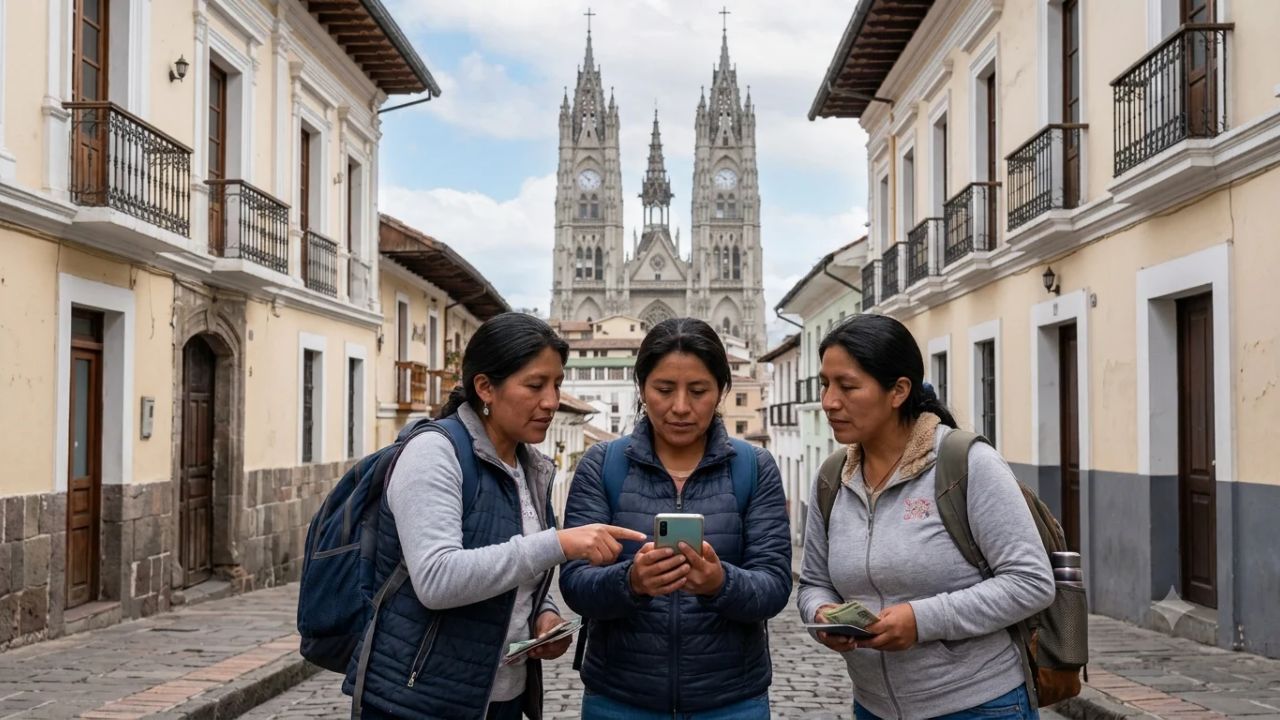
International travelers arriving in Quito face recalibrated on-the-ground expenses as Ecuador enacts structural fiscal adjustments, led by a permanent 15% Value Added Tax (IVA) rate and municipal public transit fare revisions. Passed under national economic stabilization accords managed by the Servicio de Rentas Internas (SRI) alongside International Monetary Fund guidelines, the tax expansion affects upper-tier hotels, fine dining establishments, and registered tour operators across the Metropolitan District of Quito. Simultaneously, the Concejo Metropolitano de Quito has updated base transit fares across the underground Metro de Quito and surface feeder networks, raising the baseline daily travel expenditure across the Pichincha province to approximately $66.22 USD per visitor.
Despite these cost shifts, Ecuador's capital retains one of the most favorable cost-to-value ratios among major South American destinations. As foreign passenger arrivals at Mariscal Sucre International Airport (UIO) climb 8.3% year-over-year to 672,739 direct foreign entries, the collected municipal revenues directly underwrite historic preservation across the UNESCO-listed Centro Histórico, fund high-altitude conservation trails around Cotopaxi and Pichincha volcanoes, and maintain urban public safety infrastructure. Navigating these updated expense rules requires clear financial planning, an understanding of digital booking surcharges, and practical knowledge of urban transit ticketing.
The National 15% VAT Framework: How Fiscal Reform Impacts Daily Hospitality Costs
The primary driver behind rising travel costs in Quito is the statutory increase in the national Value Added Tax (Impuesto al Valor Agregado, or IVA) from 12% to 15%. Enacted to stabilize the national treasury and meet international economic performance criteria, this three-percentage-point increase applies to all commercial retail transactions, corporate lodging folios, fine dining establishments, and formal tour agencies.
ECUADOR TOURISM FISCAL AND EXPENSE REVISIONS MATRIX (2026)
| Entity / Route | Metrics | Operational Status |
|---|---|---|
| Economic & Transit Variable | Baseline Historical Level | Updated 2026 Verified Tariff |
| Standard National Sales Tax (IVA) | 12.0% Value Added Tax | 15.0% Permanent Statutory Rate |
| Average Daily Rate (Luxury Hotels) | ~$99.58 USD per night | $104.42 USD (Climbed 4.86% YoY) |
| Base Urban Bus / Trolebús Fare | $0.35 USD per ride | $0.40 USD per ride |
| Integrated Metro Transfer Tariff | $0.35 to $0.45 USD | $0.45 to $0.60 USD per multi-modal trip |
| Average Tourist Daily Spend (UIO) | ~$51.13 USD per day | $66.22 USD (Surged 29.5% YoY) |
| Total Average Spend Per Trip | Baseline Benchmark | Expanded by 25.7% Overall |
| International Arrivals at UIO | ~621,180 Foreign Flyers | 672,739 Direct Inbound (Up 8.3% YoY) |
| Total National Air Arrivals | ~1.280 Million Visitors | 1.357 Million Across All Terminals |
| Domestic Passengers Passing UIO | ~670,000 Resident Flyers | 705,727 Domestic Transit Travelers |
Direct Impact on Lodging and Dining Bills
Under Ecuadorian commercial law, classified four-star and five-star hospitality providers must automatically calculate and display the 15% IVA on end-consumer checkout folios. According to official hotel performance analytics compiled by Quito Turismo, the Average Daily Rate (ADR) for upscale and boutique hotels in the capital rose 4.86% year-over-year to reach $104.42 USD.
In dining hubs such as the historic Plaza de San Francisco, La Floresta, and Cumbayá, restaurant bills reflect this tax adjustment alongside general ingredient supply inflation. Foreign travelers frequently encounter an additional 10% statutory service charge (servicio) applied automatically at table-service restaurants, meaning final dining bills often sit 25% above listed baseline menu prices.
Independent budget lodgings and family-run hostels registered under the simplified tax regime (RIMPE) are frequently exempt from issuing full VAT invoices, providing budget-conscious backpackers with opportunities to mitigate these price hikes by patronizing community-based guesthouses.
Municipal Transit Fare Adjustments: Metro de Quito and Surface Corridors
The municipal transit network has undergone its first unified fare restructuring since the commercial opening of the underground Metro de Quito. Approved by the Concejo Metropolitano de Quito, the updated fare schedule aligns operating revenues with electrical grid maintenance and fleet upkeep.
QUITO INTEGRATED URBAN TRANSIT TARIFF ARCHITECTURE
| Entity / Facility | Delays | Cancellations | Details |
|---|---|---|---|
| Transit System Mode | Route Coverage | Updated Single Tariff | Commuter Ticketing Method |
| Urban Surface Buses | Metropolitan feeder | $0.40 USD per ride | Cash exact change or digital card |
| (Convencionales) | lines citywide | validator on board | |
| BRT Trunk Lines | Central dedicated | $0.40 USD per ride | Turnstile card tap or paper |
| (Trolebús / Ecovía) | north-south lanes | QR ticket at enclosed stations | |
| Underground Metro | 22 km underground | $0.45 USD per ride | Tarjeta Ciudad, Metro App QR, |
| (Línea 1 Metro Quito) | corridor (15 stops) | or single paper ticket counter | |
| Integrated Multimodal | Surface feeder bus | $0.45 to $0.60 USD | Integrated multi-modal balance |
| (Feeder + Metro Line) | transfer to Metro | (depending on route) | deduction via Tarjeta Ciudad |
Moving Across the City: Practical Ticketing Advice
The underground Metro de Quito (Línea 1) spans 22 kilometers from Quitumbe in the south to El Labrador in the north, stopping at 15 subterranean stations including San Francisco in the heart of Centro Histórico.
- Cash Transactions: Foreign visitors purchasing single-journey paper tickets at station ticketing windows pay $0.45 USD. Exact change (coins of $0.05, $0.10, $0.25, or $1.00 USD) is strongly recommended, as ticketing booths and automated kiosks frequently run out of change for $10 or $20 banknotes.
- Digital Account Setup (Tarjeta Ciudad): Travelers staying longer than three days should register for a Tarjeta Ciudad smartcard or configure the official Metro de Quito smartphone application. Linking an account to an international credit card eliminates ticket queues and enables seamless $0.60 USD multimodal transfers between surface feeder buses and underground platforms.
- Operating Hours: The underground metro operates Monday through Friday from 5:30 AM to 11:00 PM, Saturdays from 7:00 AM to 11:00 PM, and Sundays/holidays from 7:00 AM to 10:00 PM.
Attraction Admissions and Municipal Heritage Tariffs
While visiting Quito remains economical compared to European or North American capitals, entrance fees to historic monuments, viewpoint cable cars, and natural reserves have been calibrated to fund conservation.
KEY ATTRACTIONS AND SIGHTSEEING ADMISSION PRICING (2026)
| Entity / Facility | Delays | Cancellations | Details |
|---|---|---|---|
| Attraction / Landmark | Management Agency | Adult Foreign Entry | Notable Inclusions & Conditions |
| Ciudad Mitad del Mundo | Pichincha Province | $5.00 USD | Equatorial monument, planetarium, |
| (Middle of the World) | Government | (Standard Adult) | and ethnographic pavilions |
| Basílica del Voto | Catholic Diocese & | $4.00 to $5.00 USD | Tower ascent via steep ladders to |
| Nacional (Tower Climb) | Heritage Trust | panoramic condor spire balconies | |
| Teleférico de Quito | Private Concession | $9.00 to $10.00 USD | Gondola lift to Cruz Loma on Mt |
| (Pichincha Cable Car) | Operator | (Express Tourist) | Pichincha (3,945m elevation) |
| Iglesia y Convento de | Franciscan Order | $3.00 to $6.00 USD | Museum of Religious Art, colonial |
| San Francisco | Museum Trust | (Includes museum) | courtyards, and choir loft access |
| Museo de la Ciudad & | Fundación Museos | $4.00 USD | Historic colonial hospital site; |
| Yaku Parque del Agua | de la Ciudad | (Combined pass $8) | interactive history & water labs |
| Galápagos National Park | National Protected | $200.00 USD per | Mandatory conservation entry tax |
| Entry Fee (Transit Hub) | Areas Directorate | non-resident adult | paid prior to island boarding |
Heritage Preservation in the Historic Core
Quito's historic district was designated as one of the world's first two UNESCO World Heritage cultural sites in 1978. Preserving its extensive collection of seventeenth-century churches, carved cedar altars, and cobblestone plazas requires sustained financial investment. Annual visitor footfall in Centro Histórico surpassed 900,000 visitors in 2026, marking a 42.8% year-over-year expansion.
Access to major sanctuaries—such as the gilded interior of the Iglesia de la Compañía de Jesús and the cloistered courtyards of San Francisco—ranges from $3.00 to $6.00 USD. For travelers climbing the twin spires of the neo-Gothic Basílica del Voto Nacional, admission sits at $4.00 to $5.00 USD, providing access to open walkways suspended directly beneath the wooden cathedral roof.
Natural Attractions and the Galápagos Conservation Levy
Venturing beyond the urban core introduces variable pricing schedules. The Teleférico de Quito, which whisks passengers from 3,117 meters up to Cruz Loma at 3,945 meters on the slopes of Volcán Pichincha, charges between $9.00 and $10.00 USD for an express foreign adult ticket.
For travelers utilizing Quito as an air transit hub before flying to the Galápagos archipelago, national authorities enforced a notable conservation tariff update. The Galápagos National Park entrance fee for international non-resident adult travelers is fixed at $200.00 USD per person, alongside the mandatory $20.00 USD INGALA tourist transit control card (Tarjeta de Control de Tránsito). This revenue directly finances scientific research, biosecurity controls, and marine park patrols across the archipelago.
The Macroeconomic Context: Airline Growth and Tourism Receipts
The financial recalibration of Quito's tourism sector occurs alongside significant growth across Ecuador's commercial aviation and international trade sectors.
MACROECONOMIC TOURISM AND AVIATION INDICATORS (2026)
| Macroeconomic Metric | Documented Economic Performance Benchmark |
|---|---|
| National Commercial Aviation Rev. | $1.313 Billion USD (Expanded 8.0% Year-over-Year) |
| Inbound Direct Flight Receipts | $922.8 Million USD Generated from Incoming Global Routes |
| Non-Oil Export Value Context | Approximately $2.93 Billion USD Recorded Monthly |
| Total National Consumer Spending | $19.476 Billion USD (Across Private Urban Service Sectors) |
| Overall Travel Booking Market | $2.914 Billion USD (Expanded 7.0% Across Travel Agencies) |
| National Tourism GDP Target Growth | Forecasted 2.93% Annual Growth, Heading to $1.036 Billion USD |
| Regional Latin American Travel GDP | Projected 4.1% Regional Growth Rate across South/Central America |
| Quito Hotel Occupancy Benchmark | Stable 55% Average Occupancy across Mid-Scale & Luxury Properties |
| Airport Hotel Private Investment | $7.0 Million USD Courtyard by Marriott at UIO (55 Direct Jobs) |
Passenger Volumes at Mariscal Sucre International Airport (UIO)
Located in the Tababela valley approximately 37 kilometers east of the city center, Mariscal Sucre International Airport (UIO) serves as the principal aviation gateway to northern Ecuador. Total international arrivals reached 672,739 foreign visitors via direct air routes, reflecting an 8.3% year-over-year increase. Nationwide, foreign entries across all aerial, terrestrial, and maritime borders totaled 1.357 million travelers.
Domestic transit routes flowing through UIO accounted for 705,727 resident passengers, connecting regional business hubs such as Guayaquil, Cuenca, Manta, and the Galápagos gateways of Baltra and San Cristóbal.
Commercial aviation generated $1.313 billion USD in nationwide turnover, with direct foreign flight bookings providing over $922.8 million USD in foreign exchange receipts. These revenues form a cornerstone of Ecuador's non-petroleum trade framework, supporting broader non-oil monthly exports that average $2.93 billion USD.
Private Hospitality Capital Deployments
Despite higher tax burdens, private hospitality developers continue to invest in Quito's commercial lodging sector. A prime example is the $7.0 million USD Courtyard by Marriott construction project situated directly adjacent to the airport terminal, which creates 55 direct operational jobs.
Across the capital, average hotel occupancy across mid-scale and luxury segments stabilized at 55%. International hotel chains have utilized economies of scale to absorb elevated utility overheads and supply chain costs, keeping room rate increases modest while complying with the mandatory 15% IVA billing rules.
Regional Tour Costs and Provincial Excursions: Pichincha and Cotopaxi
Private tour operators and registered transport agencies across the Pichincha province operate under municipal licensing regulations governed by Quito Turismo. Agencies must maintain an annual municipal license (Licencia Única de Actividad Económica, or LUAE) and contribute to the municipal tourism fund (Tasa de Turismo).
DAY EXCURSION PRICING BENCHMARKS ACROSS PICHINCHA PROVINCE
| Entity / Facility | Delays | Cancellations | Details |
|---|---|---|---|
| Excursion Destination | Travel Distance | Average Day Package | Key Operational Inclusions |
| Cotopaxi National | ~75 km South of | $55.00 to $85.00 | Private 4WD transit, certified guide, |
| Park Day Tour | Quito (Pan-Am Hwy) | USD per person | Limpiopungo lagoon hike, refuge climb |
| Mindo Cloud Forest | ~100 km Northwest | $65.00 to $95.00 | Transport across Andean divide, |
| Eco-Excursion | of Quito (Chocó) | USD per person | cable car canopy, chocolate tasting |
| Pululahua Geobotanical | ~30 km North of | $35.00 to $50.00 | Crater rim viewpoint, volcanic caldera |
| Reserve Half-Day | Quito (Near Mitad) | USD per person | hiking, agricultural village access |
| Otavalo Indigenous | ~110 km North of | $50.00 to $75.00 | Artisan textile market, Cuicocha |
| Craft Market Tour | Quito (Imbabura) | USD per person | volcanic crater lake, musical crafts |
The Shift Toward Sustainable Conservation Tariffs
Day tour pricing across the Andean highlands has adjusted upward by 12% to 18%. This adjustment stems from indexed LUAE regulatory licensing fees, higher vehicle insurance premiums, and the mandatory 15% VAT on agency invoices.
In Cotopaxi National Park, which welcomed 500,000 annual visitors in 2026—representing a 56.8% surge in eco-tourism activity—management authorities have strengthened trail conservation and guide requirements. Foreign hikers ascending to the José Rivas Refuge at 4,864 meters must contract licensed mountain guides, ensuring visitor safety while generating professional employment for high-altitude climbing communities.
In the biodiversity-rich Mindo Cloud Forest, positioned on the western slopes of the Andes, private nature reserves and canopy zip-line operators have similarly adjusted day-tour pricing to maintain private reserves that protect endangered hummingbirds, orchids, and spectacled bear habitats.
Comparative South American City Analysis: Daily Tourist Spend
Understanding how Quito's updated expense profile compares to neighboring South American capitals offers valuable perspective for travelers designing multi-country Andean itineraries.
REGIONAL SOUTH AMERICAN CAPITAL DAILY EXPENSE COMPARISON
| Entity / Facility | Delays | Cancellations | Details |
|---|---|---|---|
| Metropolitan Hub | Country | Average Daily Cost | Comparative Travel Expense Dynamic |
| Quito | Ecuador | $66.22 USD | Moderate spend; US Dollar currency |
| eliminates foreign exchange conversion | |||
| Cuenca | Ecuador | $45.00 to $52.00 | Highly economical colonial alternative; |
| (Secondary City) | USD per day | 300,000 visitors, up 48.2% YoY | |
| Bogotá | Colombia | $72.00 to $85.00 | Higher dining and museum entrance fees; |
| USD equivalent | volatile Colombian Peso (COP) exchange | ||
| Lima | Peru | $85.00 to $110.00 | Premium gastronomy costs in Miraflores |
| USD equivalent | and Barranco elevate daily baseline | ||
| Santiago | Chile | $95.00 to $130.00 | Highest transit, lodging, and wine |
| USD equivalent | excursion costs across the Andes |
The US Dollar Advantage in Ecuador
Ecuador adopted the United States Dollar as its official national currency in 2000. For international travelers carrying US currency, traveling in Ecuador eliminates currency exchange commissions, bid-ask currency losses, and volatile conversion swings that affect travel in Argentina, Colombia, or Brazil.
While Quito's daily tourist spend increased 29.5% to $66.22 USD, it remains significantly cheaper than Lima ($85–$110 USD) or Santiago ($95–$130 USD). The primary advantage for budget travelers in Quito is the wide availability of economical daily set lunches (almuerzos ejecutivos) priced between $2.50 and $4.00 USD, providing a soup, rice dish with protein, fresh fruit juice, and small dessert at family-owned eateries across the city.
Traveler Logistics Guide: Navigating Quito's Transit, Airport, and Booking Platforms
Executing an efficient, budget-conscious visit to Quito requires understanding airport transit corridors, cash logistics, and digital booking fees.
QUITO PRACTICAL TRANSIT AND FINANCIAL LOGISTICS GUIDE
| Entity / Facility | Delays | Cancellations | Details |
|---|---|---|---|
| Transit Parameter | Primary Route | Estimated Cost | Recommended Operational Procedure |
| Airport Transit | UIO to Centro | $2.00 USD (Aeroserv) | Semi-direct bus to Río Coca terminal; |
| (Budget Option) | Histórico / Mariscal | or $2.70 (Public) | transfer to Ecovía or local cab |
| Airport Transit | UIO to Central | $25.00 to $35.00 | Official authorized airport taxi rank |
| (Direct Taxi Option) | Hotel Districts | USD Flat Rate | outside international arrival doors |
| Digital App Travel | Citywide Urban | $2.50 to $6.00 | Use registered ride-hailing apps |
| (Uber / Cabify) | Movement | USD per journey | (Uber/Cabify) for safe evening transit |
| Currency & Cash | Local ATMs & | Carry $1, $5, $10 | Break $20 bills at supermarkets; avoid |
| Denominations | Commercial Banks | dollar bills | carrying $50 or $100 banknotes |
Airport Transportation Options: Mariscal Sucre International Airport (UIO)
Located 37 kilometers outside the Andean bowl that cradles central Quito, transferring from UIO airport into town requires planning:
- Aeroservicios Shuttle Bus ($8.00–$10.00 USD): This private coach service operates directly between the airport arrival terminal and the Old Airport Park (Parque Bicentenario) in north Quito. From Bicentenario, passengers can board the Metro de Quito at El Labrador station ($0.45 USD) or hail a taxi to reach their hotel.
- Public Feeder Buses ($2.00–$2.70 USD): Green public interurban buses run from the airport ground terminal to the Río Coca bus station in north Quito or the Quitumbe terminal in south Quito. From Río Coca, passengers transfer to the Ecovía BRT line ($0.40 USD) running south to La Mariscal and Centro Histórico. Total transit duration during rush hour (7:00–9:00 AM and 5:00–7:30 PM) can reach 90 minutes.
- Official Airport Taxis ($25.00–$35.00 USD): Official airport taxi associations operate counters inside the baggage claim and outside the terminal exits. Standard flat rates to northern hotels, La Mariscal, or Centro Histórico are posted on official tariff boards. Avoid unlicensed private drivers soliciting rides in arrival corridors.
Managing Physical Currency and ATM Withdrawals
Ecuador operates almost exclusively on physical cash for everyday transactions under $20.00 USD:
- Banknote Restrictions: US banknotes in denominations of $50 and $100 USD are almost universally rejected by small shops, taxis, ticket counters, and neighborhood eateries due to counterfeiting concerns. Travelers should carry $1, $5, $10, and $20 dollar bills.
- US Dollar Coins: Ecuador mints its own fractional centavo coins (1, 5, 10, 25, and 50 centavos) alongside standard US coinage, including Susan B. Anthony and Sacagawea $1 coins. Both Ecuadorian centavos and standard US coins circulate interchangeably throughout the country.
- ATM Withdrawals: Major bank branches with secure interior ATMs include Banco Pichincha, Banco Guayaquil, and Produbanco. International ATM withdrawals typically incur a $1.50 to $4.50 USD local bank access fee in addition to home bank foreign transaction fees.
Digital Booking Platform Surcharges
Under regulations managed by the Servicio de Rentas Internas (SRI), foreign digital software platforms—including Airbnb, Booking.com, and international tour reservation portals—are subject to a mandatory 15% VAT surcharge on services consumed within Ecuador.
When reserving accommodations or day excursions online through foreign travel portals, travelers should review checkout fee breakdowns. Digital agencies frequently append local VAT fees during the final payment step. Travelers can sometimes secure lower net rates by booking directly with local boutique hotels or licensed tour operators via WhatsApp or direct bank transfer.
Frequently Asked Questions
Is there a specific tourist tax charged to foreign visitors entering Quito?
No standalone arrival tax is charged to foreign tourists entering Quito at Mariscal Sucre International Airport. Increased expenses stem from the national 15% Value Added Tax (IVA) and updated municipal public transit tariffs.
How much does public transit cost in Quito in 2026?
Standard urban buses and BRT lines (Trolebús and Ecovía) cost $0.40 USD per ride. Single-journey fares on the underground Metro de Quito cost $0.45 USD, with integrated multi-modal transfers ranging between $0.45 and $0.60 USD.
Why have hotel and restaurant bills increased in Quito?
Hotel and culinary costs reflect Ecuador's permanent statutory Value Added Tax (IVA) increase from 12% to 15%, alongside general ingredient inflation, bringing average luxury hotel room rates to $104.42 USD per night.
What is the Galápagos National Park entry fee for travelers transiting Quito?
International non-resident adult visitors departing from Quito or Guayaquil to the Galápagos Islands pay a mandatory national park conservation entrance fee of $200.00 USD per person, plus the $20.00 USD INGALA transit control card.
Related Travel Guides
- Ecuador and Bolivia Record Surge in Andean Eco-Tourism and Heritage Rail Routes: High-Altitude Infrastructure Transformations in 2026
- Peru and Ecuador Establish Seamless Cross-Border Tourism Corridor: Tumbes and Huaquillas Modernize Customs Clearance for Andean Road Trippers
- US State Department Issues Q4 2026 Travel Advisories Across South America: Safety Guidance for Bolivia, Brazil, Chile, and Ecuador
Disclaimer
This article is for informational and educational purposes only. It does not constitute legal, financial, or professional advice. While we strive to provide accurate and up-to-date information, travel policies, regulations, and conditions change rapidly. Always verify information with official sources before making travel decisions. Nomad Lawyer makes no representations about the accuracy, reliability, completeness, or suitability of the information provided. Readers should consult qualified professionals for advice specific to their circumstances. The views expressed in this article are those of the author and do not necessarily reflect the views of Nomad Lawyer.
Preeti Gunjan
Contributor & Community Manager
A passionate traveller and community builder. Preeti helps grow the Nomad Lawyer community, fostering engagement and bringing the reader experience to life.
Learn more about our team →