
Breaking Airline News: Qatar Airways and Philippine Airlines Deploy Massive Manila-Doha Codeshare, Shielding Global Passengers from Terrifying Travel Chaos
Breaking airline news: Amidst a terrifying era of severe capacity exhaustion, Qatar Airways and Philippine Airlines aggressively resume their Manila-Doha codeshare, violently shielding passengers from extreme global travel chaos.

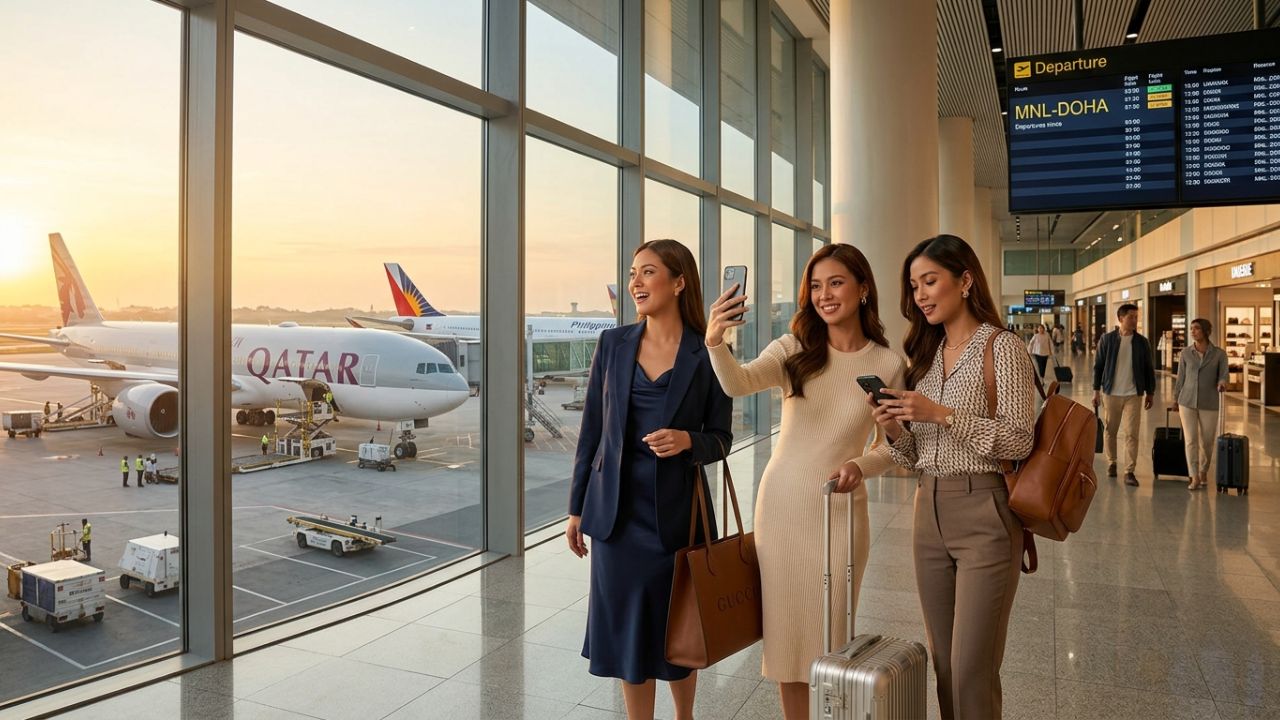
Image representing the intense strategic battle as Qatar Airways and Philippine Airlines desperately inject massive, highly efficient alliance capacity into the Southeast Asia-Middle East corridor, combating severe transit friction to prevent a massive operational meltdown for global passengers.
Breaking Airline News: Qatar Airways and Philippine Airlines Deploy Massive Manila-Doha Codeshare, Shielding Global Passengers from Terrifying Travel Chaos
As paralyzing terminal bottlenecks, terrifying airspace constraints, and severe operational fragility violently threaten to completely shatter passenger mobility across the globe, two highly strategic aviation powerhouses have executed a massive infrastructural defense. In a desperate bid to physically and psychologically rescue tourists and business executives from the terrifying threat of extreme travel chaos triggered by severe airport disruptions, Qatar Airways and Philippine Airlines have aggressively resumed a critical alliance. By violently reactivating their highly integrated codeshare flights on the massive Manila–Doha corridor starting 1 July 2026, these carriers have deployed the ultimate bypass mechanism against the severe flight cancellations currently destroying the international travel experience. By injecting heavily fortified, multi-continent connectivity into this rapidly surging route, the airlines are actively building an impenetrable shield against the agonizing misery and physical degradation defining uncoordinated legacy transit.
In a harrowing display of modern aviation vulnerability, the sheer logistical nightmare of attempting to navigate essential intercontinental corridors has historically forced passengers into terrifying transit scenarios. For years, securing a reliable connection between Southeast Asia and the West meant risking extreme physical exhaustion—navigating violently overloaded mega-terminals, suffering through uncoordinated baggage transfers, and staring at departure boards during rolling delays caused by fragmented airline itineraries. However, Qatar Airways and Philippine Airlines are aggressively fighting back against this structural paralysis. By launching this massive codeshare resumption, the carriers establish a massive, highly efficient extraction vector. Travelers now possess the absolute assurance that by utilizing this unified alliance, they are physically shielded from the devastating effects of paralyzed central transport networks, ensuring they reach their destinations perfectly recovered and completely insulated from the terrifying threat of infrastructure-induced stress.
Expanded Overview: The Massive Scale of the Codeshare Extraction
The terrifying crisis of overwhelming passenger stress currently gripping the global travel network brutally exposes the severe limitations of passengers attempting to string together unprotected, multi-airline itineraries through crumbling, highly congested hubs. Recognizing that aggressively funneling passengers into volatile zones without alliance-level protection leads directly to severe psychological friction and broken itineraries, this massive operational expansion fundamentally rewrites the global transit matrix. The sheer scale of this infrastructural defense is immense. By allowing travelers to create an itinerary that spans multiple continents on a single ticket, the codeshare ensures that passengers flying out of the Philippines are mathematically protected against the cascading failures that trigger massive terminal stranding.
Section-Wise Breakdown: The Operational Realignment
Shattering the Routing Gridlock: The Manila-Doha Vector
To survive the terrifying surge in travel demand without triggering immediate terminal meltdowns, Qatar Airways and Philippine Airlines are heavily fortifying the Southeast Asian exit corridors. The resumption of the codeshare on 1 July 2026 serves as a massive capacity bypass mechanism. Passengers flying from Manila to Doha will now have immediate, legally protected access to Qatar Airways’ global network. This represents a highly tactical extraction from the congested Asian airspace, instantly opening up onward connections to over 140 destinations worldwide. Without this massive integration, passengers would be forced to navigate highly volatile secondary hubs, heavily exposing them to catastrophic flight cancellations.
Deploying the Hub Fortress: Doha as the Ultimate Shield
Looking beyond the initial flight, this alliance has executed a massive display of operational superiority by leveraging Doha. Philippine Airlines passengers can now tap into Doha as a highly fortified strategic hub for travel to Europe, the Middle East, and Africa. Doha operates as a highly optimized rapid-transit environment, violently bypassing the need for long, agonizing layovers that expose passengers to rolling European delays, ensuring seamless connections for onward journeys without the terrifying risk of missed connections.
Operational Armor: Baggage and Check-In Integrations
This massive infrastructural shift is heavily defined by its commitment to mitigating passenger stress through strategic ground operations. The most terrifying aspect of travel chaos is lost luggage and missed check-in windows. This codeshare violently eradicates those threats by offering streamlined check-in procedures, coordinated baggage handling, and integrated frequent flyer benefits. By legally binding the luggage transfer process between the two airlines, passengers are physically shielded from the terrifying reality of arriving in Europe while their bags are abandoned in a congested Asian terminal.
The Economic Defense: Securing Global Trade
The strategic implications of this fleet deployment extend into absolute market dominance and economic survival. The return of codeshare operations acts as a massive defense mechanism for tourism in both the Philippines and Qatar. By providing reliable and flexible flight options, the airlines facilitate smoother business operations, allowing companies to efficiently manage regional meetings and commercial transactions. This highly stable connectivity prevents the massive financial bleeding caused when corporate travelers are violently stranded by sudden route cancellations.
Qatar Airways & Philippine Airlines Alliance Defense Matrix
To fully comprehend the massive logistical and strategic fallout of this terrifyingly efficient network defense, corporate travel managers and affected tourists must review the exact operational metrics defining the codeshare capacity strain. The following matrix provides a granular breakdown of the specific, officially verified statistical data driving this massive disruption mitigation effort.
| Operational Defense Metric | Verified Infrastructure Data |
|---|---|
| Aviation Operators | Qatar Airways & Philippine Airlines |
| Strategic Extraction Route | Manila ↔ Doha (Codeshare flights) |
| Operations Resumption Date | 1 July 2026 |
| Global Network Access | 140+ destinations worldwide via Qatar Airways network |
| Primary Transit Hub Fortress | Doha (Gateway to Europe, Middle East, Africa) |
| Operational Defense Integrations | Streamlined check-in procedures, coordinated baggage handling, integrated frequent flyer benefits |
Passenger Impact: Surviving the Global Jump
For the thousands of global executives and diaspora members attempting to navigate the rapidly collapsing transit corridors between Asia and the West, this massive capacity deployment represents a highly anticipated lifeline against severe delays. The brutal reality of enduring a terrifyingly sudden cancellation on a fragmented, un-allied itinerary inflicts intense psychological stress—leaving the passenger entirely stranded and solely financially responsible for the fallout. By aggressively booking tickets on this heavily fortified codeshare route, passengers drastically reduce their exposure to these terrifying logistical environments, securing a highly reliable connection that completely bypasses the domino effect of global travel chaos.
Survival Guide for Intercontinental Travelers
Travelers desperately preparing to navigate the modernized global network must immediately execute the following survival protocols:
- Violently Utilize the Codeshare Protection: If you are booking an extraction between the Philippines and Europe, you must aggressively filter your searches to utilize the Qatar-Philippine Airlines codeshare. Relying on "hacker-fare" unprotected connections heavily exposes you to the terrifying threat of sudden cancellations with zero legal rebooking rights.
- Exploit the Doha Layover: Passengers must violently exploit the highly efficient transit protocols at the Doha hub. Because the baggage handling is fully integrated under the codeshare, passengers can completely bypass the terrifying need to re-check luggage during transit, drastically reducing physical exposure to terminal congestion.
- Anticipate the Route Surge: With the July 1 launch rapidly approaching, travelers must aggressively book these protected flights early to secure a highly insulated corridor. Waiting to book exposes travelers to sold-out networks and forces them back into the agonizing misery of complex, multi-airline legacy itineraries.
Industry Analysis: The Economics of Tactical Alliances
From a strategic aviation perspective, the travel turmoil currently threatening legacy networks highlights the terrifying vulnerability of airlines that fail to integrate their route maps. Industry analysts confirm that the massive decision to resume this codeshare is a highly aggressive, tactical response designed to completely dominate the Southeast Asia-Middle East sector. By deploying massive, legally integrated reliability exactly where it is needed, these airlines completely avoid the massive financial bleeding associated with rebooking uncoordinated transit passengers, effectively shielding their profit margins while monopolizing elite intercontinental travel.
Conclusion: A Strategic Retreat to Ensure Aviation Survival
As the extremely critical global travel season accelerates, the massive route announcements executed by Qatar Airways and Philippine Airlines represent a massive warning to competitors attempting to force passengers onto unreliable, un-allied connecting networks. The aggressive maneuvering proves that capturing market dominance requires terrifyingly swift and highly optimized route integrations, utilizing the Doha hub to connect passengers safely to over 140 destinations while shielding them from the brutal reality of major terminal unreliability. For the modern traveler booking their tickets, utilizing this tactically superior network offers an incredibly secure, highly insulated way to execute flight discovery. By acting aggressively to secure tickets on this newly fortified codeshare, travelers can successfully survive intense travel surges and completely avoid the paralyzing physical threat of global travel chaos.
Key Takeaways
- Massive Tactical Deployment: Qatar Airways and Philippine Airlines violently asserted global dominance by resuming their Manila-Doha codeshare starting 1 July 2026.
- Crushing the Connectivity Bottleneck: The alliance provides Philippine passengers with an immediate, legally protected extraction vector granting access to over 140 destinations worldwide via Qatar Airways.
- Strategic Hub Defense: The codeshare aggressively utilizes Doha as a highly fortified transit hub, seamlessly connecting Southeast Asia to Europe, the Middle East, and Africa.
- Massive Operational Integration: The alliance violently eradicates transit friction by offering streamlined check-in procedures, coordinated baggage handling, and integrated frequent flyer benefits.
- Traveler Advisory: Global tourists and business travelers must aggressively book these protected codeshare flights early to completely bypass the extreme congestion and severe logistical failure plaguing unprotected, multi-airline operations.
Related Travel Guides
Disclaimer
This article is for informational and educational purposes only. It does not constitute legal, financial, or professional advice. While we strive to provide accurate and up-to-date information, travel policies, regulations, and conditions change rapidly. Always verify information with official sources before making travel decisions. Nomad Lawyer makes no representations about the accuracy, reliability, completeness, or suitability of the information provided. Readers should consult qualified professionals for advice specific to their circumstances. The views expressed in this article are those of the author and do not necessarily reflect the views of Nomad Lawyer.
Kunal K Choudhary
Co-Founder & Contributor
A passionate traveller and tech enthusiast. Kunal contributes to the vision and growth of Nomad Lawyer, bringing fresh perspectives and driving the community forward.
Learn more about our team →