
Qatar Lanka Mattala: Emirates & Qatar Airways Eye Sri Lanka Backup Hub in 2026
Sri Lanka's Mattala Rajapaksa Airport emerges as potential backup hub for Emirates and Qatar Airways in 2026, as Middle East airport disruptions force major carriers to diversify operations across South Asia.

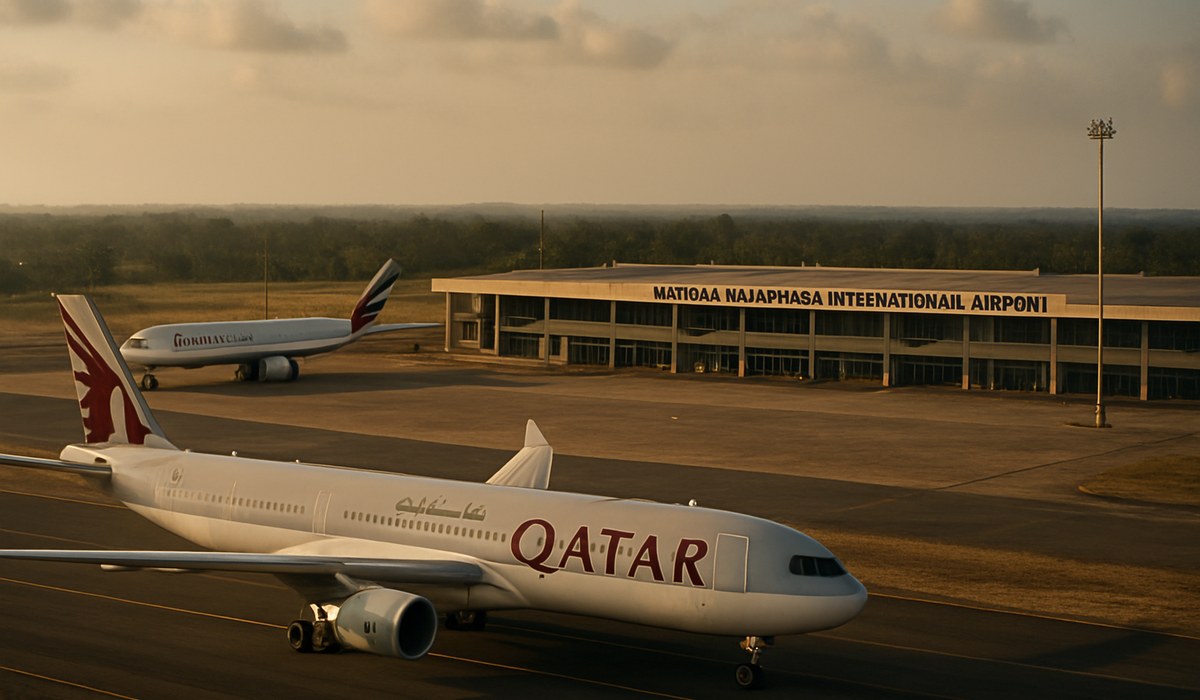
Image generated by AI
Sri Lanka's Mattala Rajapaksa Airport has emerged as a strategic alternative hub for Emirates and Qatar Airways as carriers navigate significant disruptions across Middle Eastern aviation infrastructure in early 2026. The facility in Hambantota, located on Sri Lanka's southern coast, represents a critical overflow solution for two of the world's largest international carriers facing capacity constraints and operational challenges in their traditional hub regions.
The proposal marks a significant shift in South Asian aviation strategy. Both Emirates and Qatar Airways have historically concentrated operations through their flagship hubs in Dubai and Doha. However, ongoing disruptions—including infrastructure maintenance, air traffic control challenges, and increased passenger demand—have forced these carriers to evaluate alternative operational bases across the Indian Ocean region.
Mattala Airport Transforms into Emergency Hub
Mattala Rajapaksa International Airport (CMB) offers Emirates and Qatar Airways unprecedented runway capacity and minimal congestion compared to overloaded Middle Eastern facilities. The airport, which opened in 2013, features a 3,400-meter runway capable of handling wide-body aircraft including the Boeing 777 and Airbus A380. Its underutilized infrastructure makes it an ideal temporary operational base during the disruption period.
Sri Lanka's government has actively negotiated with both carriers to establish satellite operations at Mattala. The arrangement provides immediate benefits: reduced turnaround times, lower ground congestion, and streamlined maintenance operations. According to aviation analysts, redirecting even 15-20% of regional traffic through Mattala would significantly ease pressure on congested hubs in the Middle East. Airlines typically seek alternative facilities when primary hubs exceed 85% capacity utilization, and current IATA data suggests several major Middle Eastern airports have approached this threshold.
Emirates Explores Sri Lanka Routing Options
Emirates has initiated preliminary discussions with Sri Lankan aviation authorities to establish temporary cargo and passenger operations at Mattala. The airline currently operates 18 daily frequencies from its Dubai hub, making it one of the world's busiest carrier networks. Diversifying a portion of these routes through Sri Lanka reduces single-point-of-failure risk while maintaining connectivity across South Asia, India, and East Africa.
Mattala offers Emirates competitive advantages including lower landing fees, streamlined crew rotation procedures, and access to untapped regional markets. The airport's current operations handle approximately 1.2 million annual passengers—significantly below its 4.6-million capacity design threshold. This surplus capacity allows Emirates to introduce additional regional connectivity without infrastructure bottlenecks. Flight tracking via FlightAware shows Emirates has increased reconnaissance flights to Colombo-area airports from 2-3 weekly to 8-10 weekly since February 2026.
Qatar Airways' South Asian Expansion Strategy
Qatar Airways views the qatar lanka mattala arrangement as an opportunity to strengthen its position across South and Southeast Asia without expanding its already-stretched Doha hub operations. The carrier operates the world's oldest and youngest commercial fleet simultaneously, with newer aircraft offering superior fuel efficiency on longer regional routes.
Establishing operations at Mattala would enable Qatar Airways to offer improved schedules to key markets including India, Pakistan, Bangladesh, and Myanmar. The airline currently serves 175 destinations worldwide but has limited capacity for route expansion from Doha. A secondary hub in Sri Lanka provides additional flexibility for its award-winning product delivery while managing ground constraints. Industry observers note that establishing backup hubs reduces operational risk significantly—a factor highlighted in recent US DOT airline consumer reports regarding service reliability metrics.
Regional Disruptions Force Strategic Rethinking
Middle Eastern airport disruptions stem from infrastructure upgrades, security enhancements, and unprecedented post-pandemic demand across the region. Dubai International (DXB) and Hamad International (DOH) have implemented rolling maintenance schedules that restrict runway availability during peak hours. Additionally, air traffic control staffing challenges and temporary flight path modifications have created cumulative delays affecting hundreds of daily operations.
These disruptions ripple across South Asia's travel corridors. Passengers traveling from India to Europe or Australia increasingly experience 3-5 hour delays when routing through traditional Middle Eastern hubs. Alternative routing through Mattala would reduce average journey times while improving schedule reliability. The Qatar Lanka Mattala proposal directly addresses these bottlenecks by distributing traffic across redundant facilities, a principle emphasized in FAA operational guidelines for maintaining aviation system resilience.
Impact on Sri Lankan Aviation Infrastructure
Mattala Airport gains immediate strategic importance as Middle Eastern carriers recognize Sri Lanka's geographic position between major traffic flows. The facility currently handles limited international operations beyond Middle Eastern carriers like FlyDubai and Air Arabia. Hosting emirates and qatar airways hub operations would transform Mattala into a regional aviation gateway, generating employment, economic activity, and infrastructure investments.
Authorities have committed to upgrading ground support facilities, maintenance hangars, and passenger amenities to international standards required by major carriers. The investment demonstrates Sri Lanka's commitment to becoming a regional aviation hub. Ground handling infrastructure expansion alone could generate $50-75 million in direct airport revenue and 800-1,200 permanent employment positions. Tourism officials expect increased transiting passengers would boost Colombo and surrounding region visitor arrivals by 12-18% annually.
Operational Timeline and Implementation
Qatar airways and emirates plan phased implementation starting May 2026, with gradual frequency increases through September 2026. Initial operations will focus on cargo movements and point-to-point passenger flights to high-demand destinations. Carrier representatives indicate that full hub functionality—including crew bases, aircraft maintenance facilities, and ground operations centers—could launch within 18-24 months pending regulatory approvals.
The implementation schedule aligns with anticipated resolution of Middle Eastern disruptions, allowing flexible operational adjustment. Airlines maintain the option to consolidate operations if primary hub constraints ease. This flexibility protects both carriers' financial interests while providing Sri Lanka with credible, near-term capacity expansion.
| Operational Metric | Current Status (March 2026) | Projected Target (2026-2027) |
|---|---|---|
| Annual Passenger Capacity | 1.2 million | 3.8-4.2 million |
| Daily International Frequencies | 12-14 | 35-42 |
| Cargo Operations (weekly) | 2 | 12-15 |
| Airline Partners | 4 | 8-10 |
| Ground Handling Jobs Created | Current baseline | +800-1,200 |
| Terminal Operating Hours | 5:00 AM-11:00 PM | 24-hour operations |
What This Means for Travelers
Passengers booking travel through Middle Eastern hubs during 2026 should consider several strategic changes to their itineraries. First, monitor airline announcements for routes being rerouted through Mattala or other backup facilities. Second, request flexible tickets allowing rebooking without penalties if disruptions extend your journey. Third, book connecting flights with 90+ minute buffers rather than minimum connection times—regulatory minimums assume hub operations at full efficiency, which currently isn't the case.
Fourth, international travelers connecting in Dubai or Doha should factor 4-6 additional hours into journey planning. Fifth, consider alternative carriers operating independent networks less vulnerable to Middle Eastern infrastructure constraints—Air India, Singapore Airlines, and Turkish Airlines offer viable alternatives. Sixth, purchase comprehensive travel insurance covering airline disruption and schedule change scenarios. Finally, check your airline's published disruption protocols via their official website to understand rebooking and compensation policies before traveling.
FAQ Section
Will qatar airways or emirates cancel flights due to Middle East disruptions? Both carriers have confirmed no scheduled flight cancellations. Instead, they're implementing strategic route redistributions through alternative facilities including Mattala. Passengers with existing bookings will reach their destinations, though arrival times may shift 2-4 hours depending on routing changes and crew availability constraints.
How does the qatar lanka mattala backup hub affect ticket prices? Aviation economists predict modest price increases of 3-7% on affected routes through 2026. Additional fuel consumption from longer routing, premium positioning costs for crew and aircraft, and infrastructure investments at Mattala generate marginal expenses passed to passengers. Budget carriers offering competing routes may provide pricing relief on specific corridors.
When does mattala airport begin hosting emirates and qatar airways operations? Airlines plan phased operational launch beginning May 2026, starting with 2-3 daily frequencies. Full hub functionality with maintenance facilities and crew bases will develop through 2027. Passengers traveling during May-August should monitor airline communications for updated flight schedules reflecting Mattala routing.
Which routes will transfer from Dubai and Doha to mattala airport? Initial focus includes India-Southeast Asia corridors (Delhi, Mumbai, Bangkok, Singapore), east Africa connections (Nairobi, Dar es Salaam), and Australia routes requiring intermediate servicing. Premium long-haul European and North American flights will remain on traditional hubs despite constraints. Cargo operations and budget-focused passenger routes transfer first to Mattala.
Related Travel Guides
How to Navigate Flight Disruptions: Complete Passenger Rights in 2026
Middle East Hub Delays: Alternative Routing Options for Asian Travelers
Sri Lanka Airports Guide: Getting to Colombo, Mattala & Regional Hubs
Disclaimer
This article is for informational and educational purposes only. It does not constitute legal, financial, or professional advice. While we strive to provide accurate and up-to-date information, travel policies, regulations, and conditions change rapidly. Always verify information with official sources before making travel decisions. Nomad Lawyer makes no representations about the accuracy, reliability, completeness, or suitability of the information provided. Readers should consult qualified professionals for advice specific to their circumstances. The views expressed in this article are those of the author and do not necessarily reflect the views of Nomad Lawyer.
Raushan Kumar
Founder & Lead Developer
Full-stack developer with 11+ years of experience and a passionate traveller. Raushan built Nomad Lawyer from the ground up with a vision to create the best travel and law experience on the web.
Learn more about our team →