
Qantas Slashes Domestic Flights as Jet Fuel Costs Surge 100% Due to US-Iran Tensions—Australia Faces Economic Headwinds in 2026
Qantas cuts domestic capacity 5% as jet fuel prices double amid Middle East conflict, threatening Australian economy and traveler plans through 2026.

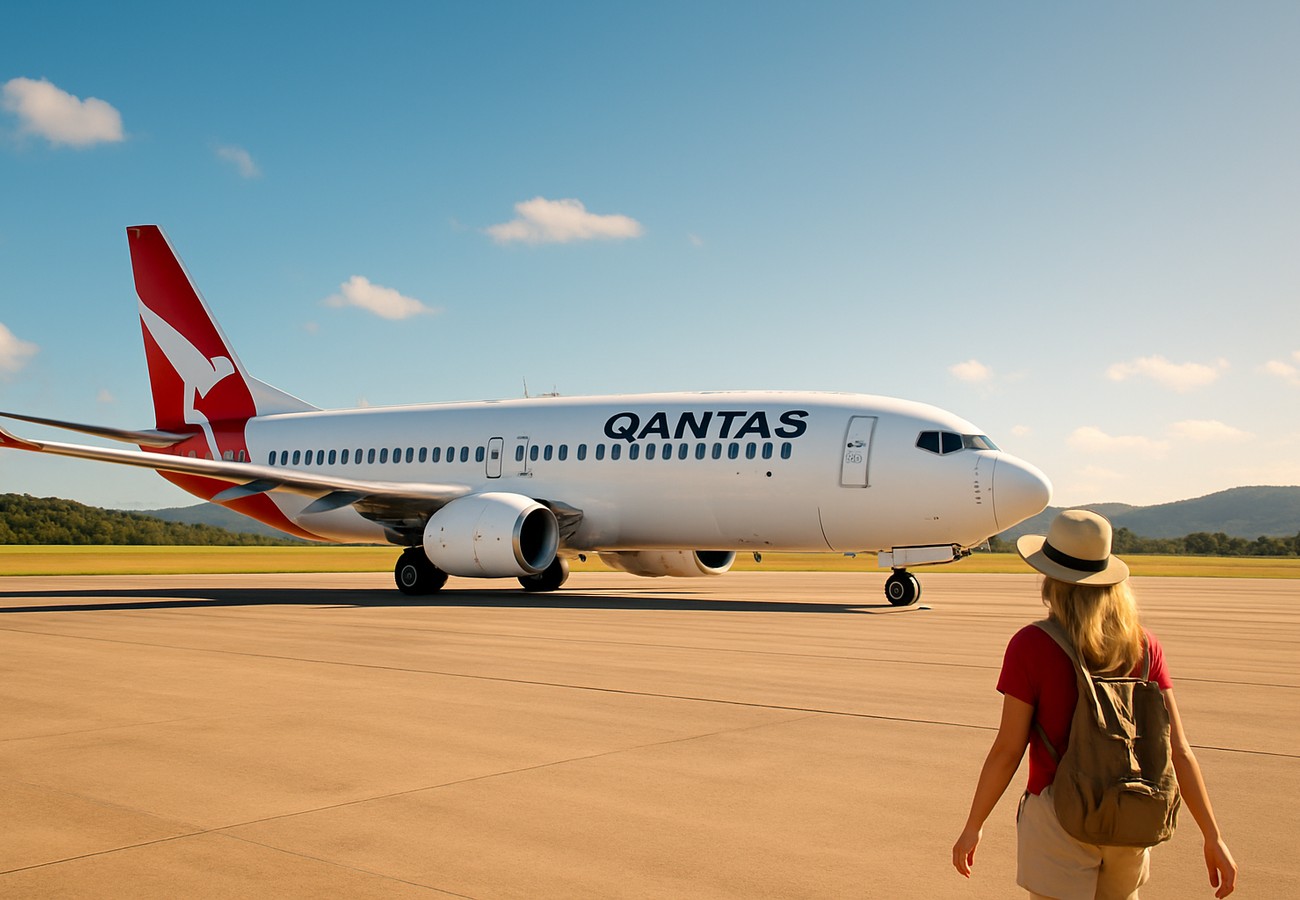
Image generated by AI
Qantas Confronts Historic Fuel Crisis Amid Middle East Tensions
Qantas, Australia's flagship carrier, has announced significant operational cutbacks in response to unprecedented jet fuel price increases triggered by escalating geopolitical tensions between the United States and Iran. The crisis threatens not only the airline's profitability but also Australia's broader economic stability, with potential recession risks looming as fuel costs ripple through the national economy.
On Tuesday, April 14, 2026, Qantas revealed that it would reduce domestic flight capacity by approximately 5% in the fourth quarter of 2026, marking a dramatic response to market volatility that extends far beyond the airline industry.
The Root Cause: Strait of Hormuz Disruption and Oil Market Volatility
The fuel crisis stems directly from geopolitical instability in the Middle East. Iran's control over the Strait of Hormuz—a critical chokepoint through which approximately one-third of global seaborne oil passes—has created severe supply chain disruptions. This strategic waterway's vulnerability has sent shockwaves through international energy markets.
Qantas has reported a staggering 100% increase in jet fuel costs since February 2026, according to the airline's official announcement. Despite hedging approximately 90% of its jet fuel costs for the second half of the financial year, the airline remains exposed to volatile refining margins that separate crude oil costs from refined jet fuel prices.
The financial impact is substantial:
- Previous fuel cost estimate (H2 2026): $2.5 billion
- Revised fuel cost projection (H2 2026): $3.1 billion to $3.3 billion
- Projected increase: $600 million to $800 million above initial forecasts
Domestic Capacity Cuts and Passenger Impact
In response to these unprecedented cost pressures, Qantas has implemented strategic capacity reductions focused exclusively on domestic routes. The airline is reducing domestic flight capacity by around 5% in Q4 2026, while simultaneously maintaining and even expanding international services.
Affected passengers are being contacted directly with the following options:
- Alternative flight arrangements on different Qantas or Jetstar services
- Full refund of ticket prices
- Travel credits for future bookings
The airline has emphasized that these disruptions are expected to persist throughout the remainder of the financial year as global fuel market conditions remain uncertain.
International Routes Gain While Domestic Travel Suffers
In a counterintuitive strategic pivot, Qantas has reallocated capacity from domestic and U.S. network routes to increase flights to popular European destinations, including Paris and Rome, where demand remains robust. This shift reflects the airline's assessment that international long-haul travel will continue generating revenue despite fuel price uncertainty.
This capacity reallocation strategy suggests that:
- Domestic Australian travelers will face fewer flight options and potentially higher fares
- International tourists may find increased flight availability to and from Australia
- Qantas is prioritizing high-margin international routes over domestic services
Broader Global Aviation Industry Under Pressure
The fuel crisis extends well beyond Qantas. Airlines worldwide are grappling with similar cost pressures, with many forced to pass increased expenses onto consumers through fuel surcharges and higher ticket prices. According to the International Air Transport Association (IATA), jet fuel represents one of the largest operational expenses for global carriers, making price volatility particularly damaging during periods of geopolitical instability.
For Australia specifically, the crisis poses unique economic risks. Qantas operates as one of the country's largest employers and a critical component of the national economy. Reduced flight capacity directly translates to:
- Fewer jobs in aviation and related sectors
- Reduced tourism revenue
- Higher travel costs for business and leisure travelers
- Potential inflationary pressure on consumer prices
Government Response and Industry Collaboration
The Australian Government has partnered with Qantas and fuel suppliers to address immediate supply chain concerns. Officials have provided assurances that jet fuel supplies will remain stable through May 2026, though longer-term uncertainty persists.
Government initiatives to mitigate the crisis include:
- Promoting energy efficiency across private and public sectors
- Urging businesses to reduce fuel consumption
- Investing in alternative fuel sources to reduce reliance on oil from geopolitically unstable regions
- Monitoring fuel supply chains for potential disruptions
Qantas has committed to maintaining close coordination with government agencies and fuel suppliers, though the airline has cautioned that further capacity cuts may become necessary if global fuel market conditions deteriorate.
What This Means for Travelers
Australian travelers face significant disruptions through the remainder of 2026:
Domestic Travel Challenges:
- Reduced flight availability on popular routes
- Potential price increases due to fuel surcharges
- Longer booking lead times as capacity tightens
- Possible schedule changes requiring flexibility
Recommendations for Affected Passengers:
- Book flights well in advance to secure preferred times
- Monitor Qantas communications for schedule updates
- Consider alternative travel dates if flexibility permits
- Review airline policies on rebooking and refunds
- Check FlightAware for real-time flight status information
International Travel Outlook:
- Increased flight options to European destinations
- Potential for competitive pricing on long-haul routes
- More frequent service to Paris and Rome
Economic Ramifications for Australia
The fuel crisis threatens to compound existing economic challenges facing Australia. With Qantas implementing capacity cuts and fuel surcharges, the cost of living for Australians dependent on air travel will rise. This adds pressure to an economy already strained by:
- Persistent inflation
- Stagnant wage growth
- Lingering effects from the COVID-19 pandemic
- Reduced consumer spending capacity
Economists warn that a potential recession risk is growing as Middle East conflict disruptions continue affecting global trade. Australia's reliance on oil imports means that any major disruptions in the Strait of Hormuz could trigger broader economic consequences extending far beyond the aviation sector, affecting petrol prices, shipping costs, and consumer goods pricing across the nation.
Qantas's Strategic Path Forward
Qantas is pursuing a multifaceted approach to navigate the crisis:
Immediate Actions:
- Capacity optimization on domestic routes
- Fuel hedging strategies (currently covering 90% of H2 costs)
- Direct communication with affected passengers
- Reallocation to high-demand international routes
Long-Term Initiatives:
- Exploration of alternative fuel options
- Flight schedule adjustments aligned with demand patterns
- Continued government collaboration on fuel availability
- Operational efficiency improvements to reduce fuel consumption
The airline has signaled that while immediate focus remains on managing fuel cost impacts, it is simultaneously working toward long-term sustainability and competitive positioning in an increasingly volatile aviation market.
Related Travel Guides
- Minister Eli Zakour Takes Over Caribbean Airlines: Trinidad and Tobago Strengthens Aviation Oversight in 2026
- Flight Delays Sweep Canadian Hubs: 311 Disruptions in April 2026
- Spain Airport Strikes Chaos: British Airways, Lufthansa, Ryanair Stranded Thousands—Easter Travel Nightmare Unfolds Across Madrid, Barcelona, Palma
Disclaimer
This article is for informational and educational purposes only. It does not constitute legal, financial, or professional advice. While we strive to provide accurate and up-to-date information, travel policies, regulations, and conditions change rapidly. Always verify information with official sources before making travel decisions. Nomad Lawyer makes no representations about the accuracy, reliability, completeness, or suitability of the information provided. Readers should consult qualified professionals for advice specific to their circumstances. The views expressed in this article are those of the author and do not necessarily reflect the views of Nomad Lawyer.
Kunal K Choudhary
Co-Founder & Contributor
A passionate traveller and tech enthusiast. Kunal contributes to the vision and growth of Nomad Lawyer, bringing fresh perspectives and driving the community forward.
Learn more about our team →