
Qantas Project Sunrise Faces Further Delays: Why Only the A350-1000ULR Can Deliver Ultra-Long-Range Dreams
Breaking airline news and aviation industry updates for 2026.

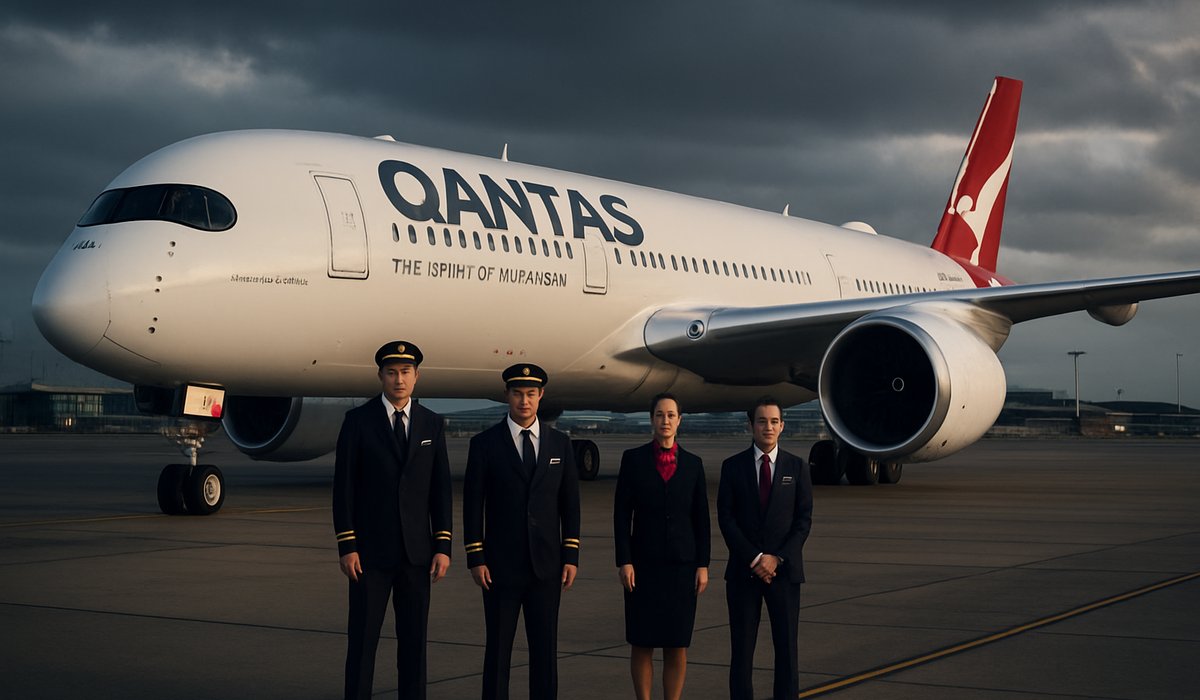
Image generated by AI
Qantas Project Sunrise Faces Further Delays: Why Only the A350-1000ULR Can Deliver Ultra-Long-Range Dreams
The Australian carrier's ambitious bid to operate the world's longest commercial routes hinges on a single aircraft type—and the engineering innovations that make it possible
The Challenge of Ultra-Long-Range Aviation
Australia's flagship carrier, Qantas Airways, continues to push back its landmark Project Sunrise initiative, which aims to establish direct flights connecting Sydney with London and New York—routes spanning up to 20 hours of continuous flight time. Industry analysts point to a single critical factor: only the Airbus A350-1000ULR possesses the engineering specifications and operational capabilities required to sustain such extraordinary flight durations without intermediate stops.
This technological constraint underscores a broader challenge facing the aviation industry. Commercial aircraft were never originally designed for flights exceeding 18-19 hours, creating fundamental limitations in fuel capacity, cabin pressurization systems, and crew endurance protocols. The A350-1000ULR represents a specialized solution—one that required extensive modifications to transform conventional long-range engineering into something capable of genuinely record-breaking distances.
Engineering Innovation Behind the A350-1000ULR
Airbus engineered the A350-1000ULR specifically to address the demands of ultra-long-range operations. The aircraft features enhanced fuel tank capacity, optimized aerodynamic efficiency, and reinforced structural components designed to manage the sustained stress of extended flight operations.
Beyond raw capacity, the aircraft underwent significant modifications to support crew welfare during marathon flights. Extended rest facilities, advanced cabin humidity control systems, and refined galley provisions were incorporated to maintain passenger comfort and crew safety across journeys lasting more than a full day.
Fuel efficiency remains paramount, as these routes demand every possible nautical mile of range. The A350-1000ULR achieves superior fuel economy through cutting-edge engine technology, lighter composite materials, and streamlined design—factors that compress operational costs on ultra-competitive international markets.
Strategic Delays and Project Timeline
Repeated postponements of Project Sunrise reflect the complexity of establishing sustainable ultra-long-range operations. Qantas must navigate regulatory approvals, crew training protocols, airport infrastructure requirements, and the intricate logistics of maintaining aircraft and flight crew across hemisphere-spanning routes.
These delays also coincide with broader aviation industry pressures, including elevated jet fuel prices stemming from geopolitical tensions and recovering demand post-pandemic. Long-haul operations face particular scrutiny regarding environmental impact and operational sustainability.
Broader Aviation Industry Implications
Should Project Sunrise ultimately launch, it would reshape competitive dynamics within international aviation, potentially displacing established hub-and-spoke models that currently dominate transcontinental travel. Airlines worldwide are monitoring Qantas's progress, recognizing that successful ultra-long-range operations could revolutionize global route networks and passenger connectivity.
The project's eventual realization depends entirely on Airbus's A350-1000ULR platform, making this aircraft type the linchpin of Qantas's strategic transformation and signaling where premium long-haul aviation is headed.
Frequently Asked Questions
What makes the A350-1000ULR different from standard long-range aircraft? The A350-1000ULR features enhanced fuel capacity, advanced aerodynamic optimization, and specialized modifications for crew rest and cabin pressurization—engineering specifically designed for flights exceeding 19 hours.
Why can't other aircraft operate these ultra-long-range routes? Conventional wide-body aircraft lack sufficient fuel capacity and structural engineering to sustain 20+ hour flights safely and efficiently while maintaining regulatory compliance and passenger comfort standards.
How do jet fuel prices impact ultra-long-range route viability? Elevated global fuel costs significantly increase operational expenses on marathon flights, directly affecting ticket pricing and the economic feasibility of routes like Sydney-London.
When might Qantas Project Sunrise actually launch? Exact timelines remain uncertain, contingent on regulatory approvals, crew training completion, and resolution of operational logistics across transcontinental distances.
Could other airlines eventually operate similar ultra-long-range services? Yes—provided they secure A350-1000ULR aircraft and invest in necessary infrastructure modifications, though Qantas would likely maintain competitive advantage through operational experience and established protocols.
Related Travel Guides
Flight Delay Compensation Guide 2026
Understanding Airline Route Changes
Airport Security Process Updated (2026)
External Resources
Disclaimer
This article is for informational and educational purposes only. It does not constitute legal, financial, or professional advice. While we strive to provide accurate and up-to-date information, travel policies, regulations, and conditions change rapidly. Always verify information with official sources before making travel decisions. Nomad Lawyer makes no representations about the accuracy, reliability, completeness, or suitability of the information provided. Readers should consult qualified professionals for advice specific to their circumstances. The views expressed in this article are those of the author and do not necessarily reflect the views of Nomad Lawyer.
Kunal K Choudhary
Co-Founder & Contributor
A passionate traveller and tech enthusiast. Kunal contributes to the vision and growth of Nomad Lawyer, bringing fresh perspectives and driving the community forward.
Learn more about our team →