
Croatia Airlines A220 Veers Off Runway in High-Speed Rejected Takeoff Incident
Breaking airline news and aviation industry updates for 2026.

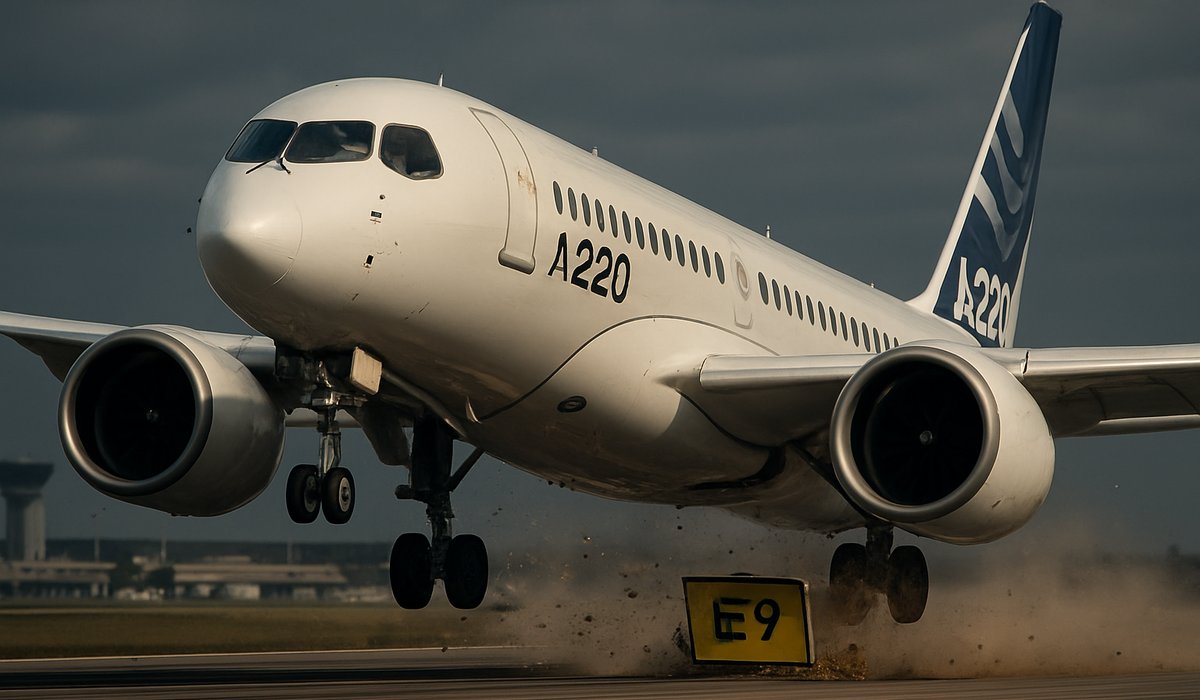
Image generated by AI
Croatia Airlines A220 Veers Off Runway in High-Speed Rejected Takeoff Incident
Aircraft sustains damage after emergency abort at Zagreb airport; investigation launched into contributing factors
A Croatia Airlines Airbus A220-300 was forced to execute a high-speed rejected takeoff at Zagreb's main airport on Saturday, May 16th, resulting in the aircraft departing the runway and colliding with airport infrastructure. The incident, which saw the narrow-body jet strike multiple directional signs during its emergency stop, has prompted immediate scrutiny from aviation authorities and raised questions about runway safety protocols and aircraft performance management.
The Incident Unfolds
The aircraft initiated its takeoff roll before pilots determined that continuing the flight was unsafe, triggering an emergency abort procedure. Unable to stop within the remaining runway distance, the A220-300 overran the pavement and struck airport signage before coming to rest. While the exact trigger for the rejected takeoff remains under investigation, such incidents typically stem from engine performance anomalies, hydraulic system warnings, or other critical technical alerts detected during the acceleration phase.
The Croatia Airlines flight, operating within European Union airspace, fell under jurisdiction of the country's civil aviation authority, which launched an immediate investigation into the circumstances surrounding the rejected takeoff.
Aircraft and Operational Context
The Airbus A220-300 represents a modern addition to narrow-body aircraft fleets, with improved fuel efficiency and reduced operating costs compared to legacy turbofan designs. Croatia Airlines operates the aircraft on regional European routes, making it a critical asset for the carrier's competitive positioning in the increasingly price-sensitive aviation market.
Rejected takeoffs at high speed remain rare but high-risk maneuvers in commercial aviation, demanding split-second decision-making and precise aircraft control. The distance required to safely abort increases significantly once an aircraft exceeds 80 knots, making such incidents serious challenges for flight crews and airport infrastructure alike.
Broader Safety Implications
This incident underscores the importance of rigorous maintenance schedules, crew training protocols, and adequate runway design margins within European airspace. The aviation industry has maintained strong safety records through redundant systems and standardized emergency procedures, yet surface-level incidents such as runway excursions continue to present operational and financial challenges for carriers.
The collision with airport signage, while potentially costly for repairs, did not result in reported injuries to passengers or crew—a critical factor distinguishing this incident from more catastrophic runway events documented in recent aviation history.
Investigation and Next Steps
Croatian aviation authorities will examine flight data recorders, maintenance logs, and crew testimony to determine the root cause. Preliminary findings typically emerge within weeks, with comprehensive safety recommendations following within months.
FAQ: Understanding Aircraft Rejected Takeoffs and Aviation Safety
What causes a high-speed rejected takeoff? Pilots abort takeoffs when critical system failures, engine problems, or warning indicators suggest continuing flight poses unacceptable risk. Once airborne, returning to the ground becomes far more dangerous.
How often do runway excursions occur in commercial aviation? Modern safety protocols have reduced excursion rates significantly, though they remain a tracked incident category in aviation safety databases, particularly following rejected takeoff procedures.
What are the financial implications for airlines experiencing such incidents? Runway excursions typically trigger aircraft grounding, inspections costing hundreds of thousands of euros, potential regulatory fines, and reputational damage affecting passenger confidence.
How do airports design runways to accommodate rejected takeoffs? International standards require runway lengths accounting for worst-case abort scenarios, including safety overrun areas and engineered arresting systems on critical routes.
Will this incident affect Croatia Airlines' fleet operations? Airlines typically implement enhanced maintenance checks following such incidents, potentially causing temporary schedule disruptions until full airworthiness is restored.
Related Travel Guides
- Delta Air Lines Faces Passenger Fury as Operational Meltdown Leaves 400+ Flights Grounded
- Tampa International Airport Hit by 35 Flight Delays to Miami and New York: Southwest, American, and Delta Squeezed as Travel Chaos Affects Florida Tourism
- Thailand Ramps Up Regional Aviation Incentives as Thai AirAsia, Norse Atlantic, and flydubai Expand Secondary Routes, Bypassing Capital Hub Flight Cancellations, Airport Disruptions, and Passenger Travel Chaos: New Airline News and Aviation Updates
Disclaimer
This article is for informational and educational purposes only. It does not constitute legal, financial, or professional advice. While we strive to provide accurate and up-to-date information, travel policies, regulations, and conditions change rapidly. Always verify information with official sources before making travel decisions. Nomad Lawyer makes no representations about the accuracy, reliability, completeness, or suitability of the information provided. Readers should consult qualified professionals for advice specific to their circumstances. The views expressed in this article are those of the author and do not necessarily reflect the views of Nomad Lawyer.
Kunal K Choudhary
Co-Founder & Contributor
A passionate traveller and tech enthusiast. Kunal contributes to the vision and growth of Nomad Lawyer, bringing fresh perspectives and driving the community forward.
Learn more about our team →