
Qantas Coral Sea A321XLR Crushes Flight Chaos Across Queensland
Qantas deploys striking Coral Sea A321XLR aircraft to eliminate flight disruptions, enhance connectivity, and showcase Australia's Great Barrier Reef through innovative aviation strategy.

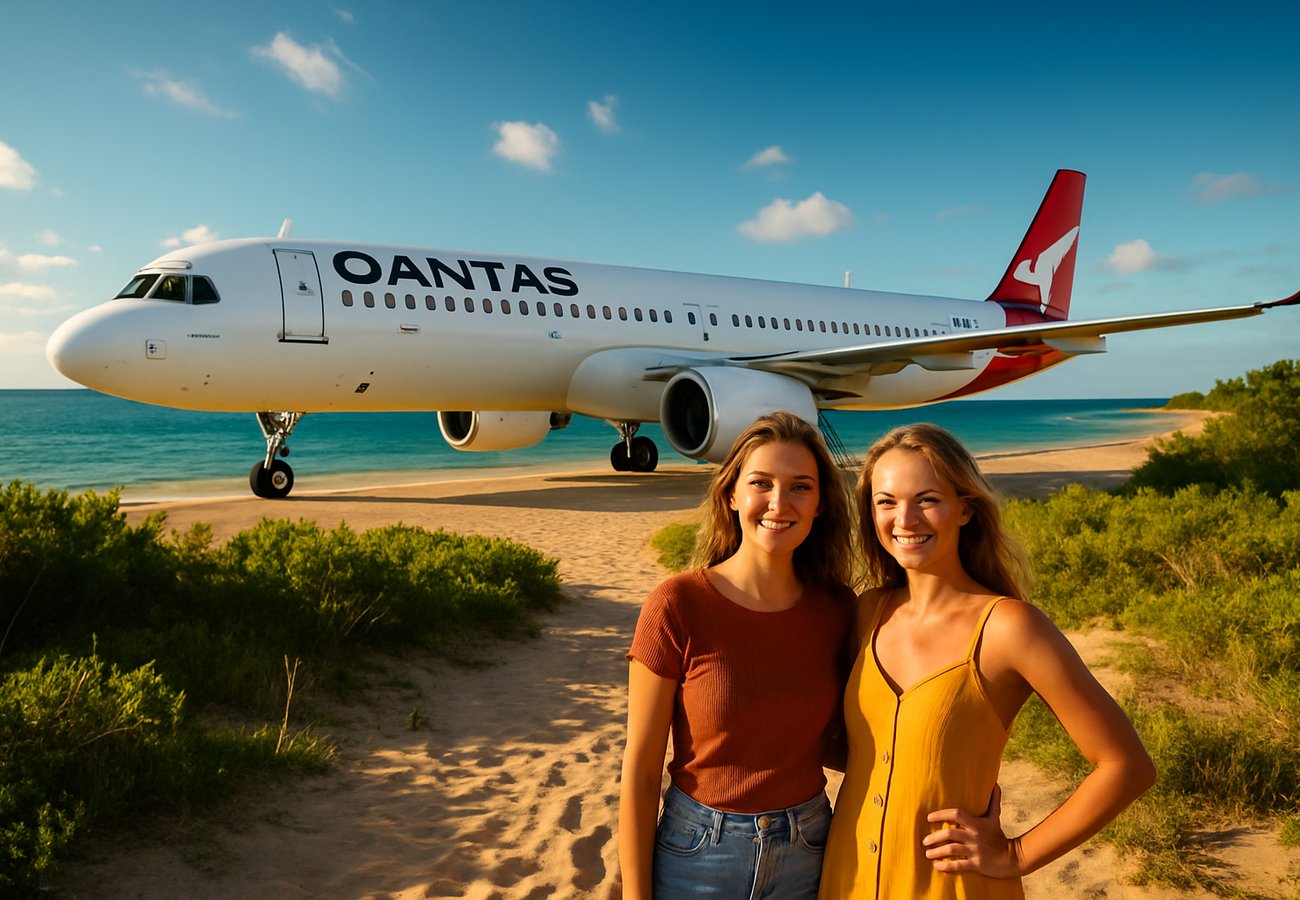
Image generated by AI
Qantas Unleashes the Coral Sea: How One Aircraft Is Crushing Australia's Flight Chaos
Qantas Airways just made a bold strategic move that's about to reshape domestic air travel across Australia. The arrival of the Coral Sea A321XLR—a cutting-edge Airbus A321XLR aircraft—signals the airline's aggressive push to eliminate the flight disruptions that have plagued travelers for years.
This isn't just another plane. It's a statement.
The new jet combines extended-range capability with operational flexibility that older Boeing 737 aircraft simply can't match. For travelers caught in the chaos of frequent cancellations and delays, the Coral Sea represents a tangible solution. Qantas is deploying this aircraft to protect passengers from the schedule disruptions caused by aging fleet limitations—a problem that's been festering in Australia's aviation sector.
Reddit: "Finally, an airline actually investing in modern aircraft instead of just making excuses about staffing" — r/travel
The Livery That Tells Australia's Story
Here's where Qantas's strategy gets creative. The Coral Sea fuselage is wrapped in an elaborate, striking livery inspired by the Great Barrier Reef. Bright coral formations, sea turtles, and vibrant marine life stretch along the aircraft's entire body, transforming it into a flying canvas of Australia's environmental heritage.
This isn't accidental branding.
The design serves a dual purpose: it celebrates one of the planet's most iconic natural wonders while simultaneously driving tourism to Queensland's coastline. Every time the Coral Sea takes off, it's advertising Australia's marine biodiversity to passengers worldwide. The livery reinforces Qantas's identity as more than an airline—it's positioned as a custodian and promoter of national tourism assets.
Passengers boarding this aircraft are offered a visual narrative. They're not just getting on a plane; they're being invited to explore the reef ecosystem that decorates their fuselage.
Reliability as a Competitive Weapon
Airlines worldwide are under intense scrutiny for cancellations and delays. These disruptions carry devastating economic costs—stranded passengers, damaged brand reputation, and lost confidence in air travel itself. Qantas is fighting back with the Coral Sea.
The A321XLR is engineered for operational resilience. Its extended range eliminates the need for intermediate stops on longer routes, reducing vulnerability to cascading delays. Modern systems significantly cut maintenance risks compared to aging aircraft, meaning fewer unscheduled groundings.
For travelers on high-demand domestic routes, this translates directly into fewer canceled flights. Qantas is actively reducing its network's fragility during periods of fleet strain or unexpected disruptions. The airline can now absorb demand fluctuations without resorting to the cancellations that have become all too familiar.
Opening Routes That Were Previously Impossible
The A321XLR's extended range capability is rewriting Qantas's operational playbook. Longer distances can now be served without interruptions, opening opportunities for direct routes that were never feasible with older jets.
This expanded operational reach has immediate implications for passenger connectivity. More direct flights between major cities, regional hubs, and nearby international destinations mean smoother itineraries. Travelers experience fewer layovers and tighter connections—the exact features that define premium travel experiences.
Modern aircraft like the A321XLR are increasingly central to airlines' strategies for maintaining competitive advantage while meeting rising passenger expectations in the post-pandemic travel environment.
The strategic deployment of Coral Sea signals a broader shift: Qantas is building a fleet capable of flexible scheduling and rapid response to changing travel patterns. This matters not just for passenger convenience but for Australia's entire tourism ecosystem, where reliable air service is the foundation sustaining visitor numbers and economic activity.
Future-Proofing Australia's Sky
Qantas is making a calculated bet on next-generation aircraft. The Coral Sea is just the first of several A321XLR deployments. As the airline expands its modern fleet, passengers should expect:
- More direct flights on routes that previously required connections
- Smoother baggage handling and tighter turnarounds
- Reduced cancellation risk during periods of high demand
- Enhanced passenger comfort through newer cabin systems
The A321XLR represents a fundamental shift in how airlines approach fleet modernization, prioritizing reliability and efficiency over incremental upgrades to aging platforms.
The Great Barrier Reef livery is just the visual hook. The real story is operational: Qantas is future-proofing Australia's aviation network against the disruptions that have defined recent years. As demand for domestic and regional air travel continues climbing, modern jets like the Coral Sea will be the difference between thriving connectivity and another summer of canceled flights.
The airline isn't just buying new aircraft. It's betting on the future of Australian travel itself.
The Coral Sea is already proving that when airlines invest in modern fleets, travelers win.
Related Travel Guides
Carnival Cruise Ship Rescues Sailor and Cat Off Mexican Coast
Disclaimer
This article is for informational and educational purposes only. It does not constitute legal, financial, or professional advice. While we strive to provide accurate and up-to-date information, travel policies, regulations, and conditions change rapidly. Always verify information with official sources before making travel decisions. Nomad Lawyer makes no representations about the accuracy, reliability, completeness, or suitability of the information provided. Readers should consult qualified professionals for advice specific to their circumstances. The views expressed in this article are those of the author and do not necessarily reflect the views of Nomad Lawyer.
Kunal K Choudhary
Co-Founder & Contributor
A passionate traveller and tech enthusiast. Kunal contributes to the vision and growth of Nomad Lawyer, bringing fresh perspectives and driving the community forward.
Learn more about our team →