
Qantas Coral Sea A321XLR: How This Reef-Painted Jet Ends Flight Chaos
Qantas deploys the Coral Sea A321XLR to tackle airline schedule disruptions and boost Queensland tourism through extended-range efficiency and stunning Great Barrier Reef livery.

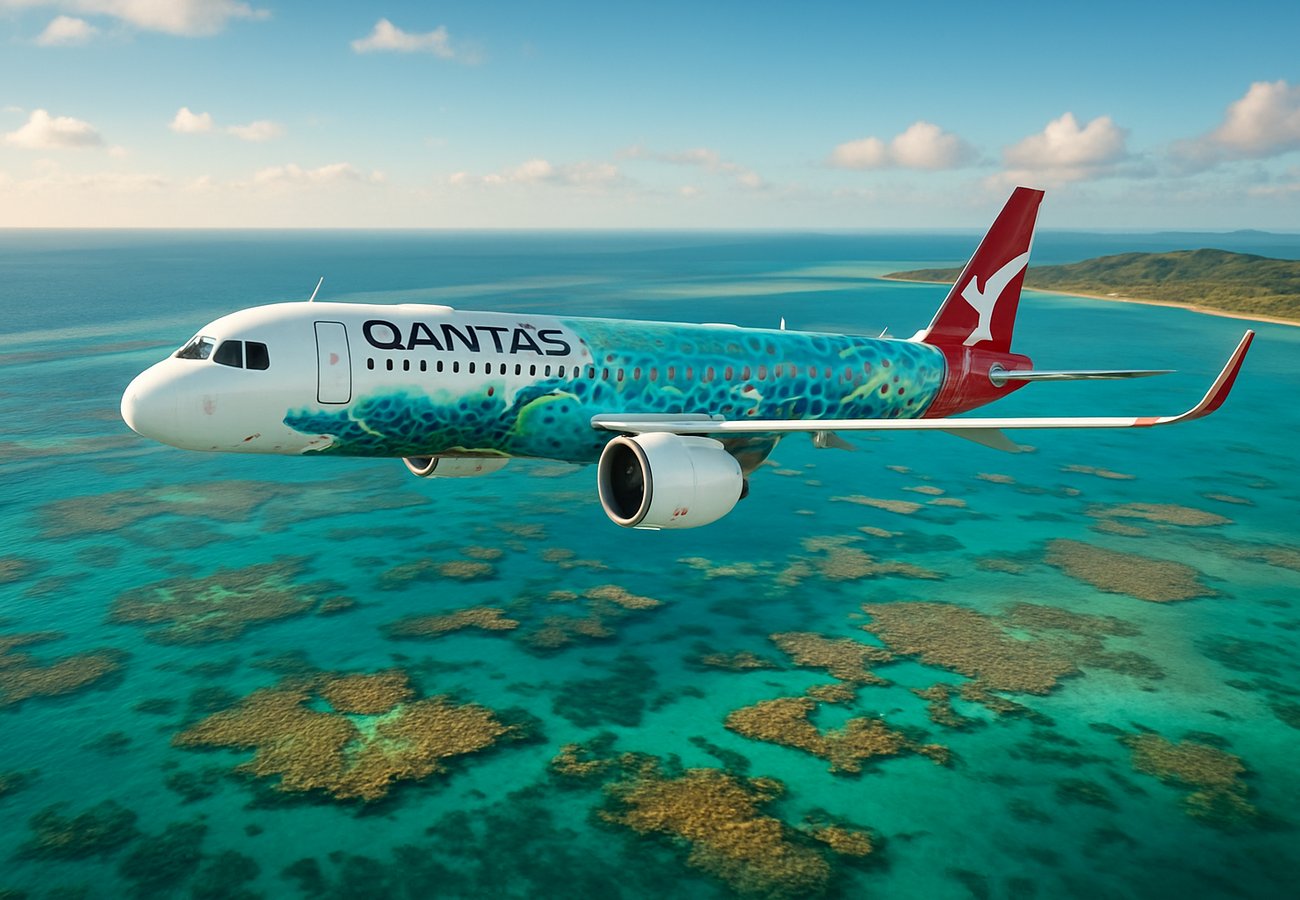
Image generated by AI
The Aircraft That Could Change Australian Air Travel
Qantas just made a move that signals serious intent to fix a problem that's plagued Australian travellers for years: unpredictable flight schedules. The airline's introduction of the Airbus A321XLR — christened Coral Sea — isn't just another aircraft order. It's a statement about operational resilience, passenger confidence, and the future of connectivity across Australia's most critical travel routes.
The timing matters. Airlines globally face relentless scrutiny over cancellations and delays. These disruptions don't just frustrate passengers; they erode trust and destabilise entire sectors that depend on reliable air service. Qantas is tackling this head-on with a fleet modernisation strategy centred on extended-range efficiency and operational flexibility.
Why the A321XLR Changes the Game
The A321XLR isn't revolutionary on paper, but what it delivers operationally is transformative. This aircraft combines longer range capabilities with the fuel efficiency of modern jet engines — a combination that older Boeing 737 aircraft simply cannot match. The result? Qantas can now serve longer domestic routes and regional sectors without the operational compromises that historically trigger cancellations.
Reddit: "Finally, an airline taking schedule reliability seriously. My last three flights on older jets were delayed because the aircraft couldn't handle the route efficiently." — r/australiaviation
Extended range means fewer technical stops, reduced maintenance risks, and greater scheduling flexibility when demand fluctuates. For travellers, this translates directly into fewer cancelled flights and more reliable connections between major cities and regional hubs. For Qantas, it's a strategic buffer against the fleet strain that's plagued operations during peak travel seasons.
The aircraft can bridge distances that previously required connecting flights, opening direct route possibilities that strengthen Queensland's position as Australia's premier travel destination. This isn't incremental improvement — it's structural capacity improvement.
Coral Sea: Marketing With Purpose
The livery decision reveals Qantas's deeper strategy. Coral Sea isn't painted with corporate blue and white. Instead, the fuselage showcases the Great Barrier Reef — brilliant coral formations, sea turtles, and marine life stretching across the aircraft's body.
This is storytelling at 35,000 feet. Every passenger who boards this aircraft receives a visual invitation to explore Queensland's coastline. The design merges environmental consciousness with commercial purpose, positioning Qantas as both a tourism enabler and a steward of Australia's natural heritage. According to Australia's tourism board data, the Great Barrier Reef generates billions in annual visitor spending, and connecting passengers directly to that asset has measurable economic value.
The creative approach elevates the airline's brand identity while reinforcing the association between Qantas and Australia's environmental legacy. It's branding that works because it's authentic — the aircraft literally carries the message of the destinations it connects.
The Operational Reality: Fewer Cancellations, More Reliability
Let's be direct: older aircraft fail more often. Maintenance issues on legacy Boeing 737s have contributed to unexpected disruptions across Qantas's domestic network. The A321XLR arrives with modern avionics, predictive maintenance systems, and engineering designed to minimise unscheduled downtime.
For high-demand routes — particularly those servicing Sydney, Melbourne, Brisbane, and regional Queensland destinations — this translates into measurable operational benefits. The aircraft can absorb demand fluctuations without triggering the cascading cancellations that occur when a single older aircraft becomes unavailable.
Travellers win through fewer schedule interruptions. Tourism operators win through more predictable visitor arrivals. The entire travel ecosystem benefits from fleet reliability that was previously treated as aspirational rather than baseline.
Route Expansion and Connectivity
The A321XLR doesn't just serve existing routes more reliably — it enables new ones. Extended range opens possibilities for direct flights between regional airports and nearby international destinations that previously required connections through major hubs. This reshapes travel itineraries across the Asia-Pacific region.
For inbound international passengers, direct regional connections reduce journey time and complexity. For domestic travellers, expanded options mean more flexibility in trip planning. According to industry analysis on fleet modernisation, extended-range narrowbody aircraft are reshaping regional aviation networks globally, and Australia is no exception.
The strategic deployment of Coral Sea and its sister aircraft signals a fundamental shift in how Qantas approaches capacity planning and network flexibility.
Future-Proofing Against Uncertainty
The post-pandemic travel environment has taught airlines a harsh lesson: inflexibility is expensive. Qantas's commitment to fleet modernisation, centred on aircraft like the A321XLR, positions the airline to adapt rapidly to changing demand patterns while maintaining service reliability.
Next-generation jets provide the foundation for sustainable growth without the operational vulnerabilities that haunted older fleets. As Qantas expands deployment of these aircraft across its network, passengers can expect more direct routes, smoother connections, and genuine reductions in cancellation frequency.
The Coral Sea represents more than a single aircraft acquisition. It signals Qantas's strategic commitment to building a fleet capable of supporting reliable service during periods of high demand and unexpected disruptions. That's the foundation of passenger confidence in a competitive global aviation market.
Qantas just proved that fixing flight chaos requires more than promises — it requires modern iron and the discipline to deploy it strategically.
Related Travel Guides
France Abandons Two Major Drone Programs as Military Strategy Shifts Toward Lower-Cost Alternatives
Travel Chaos Hits Brazil: 59 Flight Delays, 18 Cancellations Across São Paulo
Disclaimer
This article is for informational and educational purposes only. It does not constitute legal, financial, or professional advice. While we strive to provide accurate and up-to-date information, travel policies, regulations, and conditions change rapidly. Always verify information with official sources before making travel decisions. Nomad Lawyer makes no representations about the accuracy, reliability, completeness, or suitability of the information provided. Readers should consult qualified professionals for advice specific to their circumstances. The views expressed in this article are those of the author and do not necessarily reflect the views of Nomad Lawyer.
Kunal K Choudhary
Co-Founder & Contributor
A passionate traveller and tech enthusiast. Kunal contributes to the vision and growth of Nomad Lawyer, bringing fresh perspectives and driving the community forward.
Learn more about our team →