
Qantas Canberra Perth Flight Diverted to Adelaide After Cabin Odour Detection
Qantas flight QF857 diverted to Adelaide in 2026 after crew detected mechanical odour mid-flight, forcing an overnight detour for Perth-bound passengers during peak spring travel season.

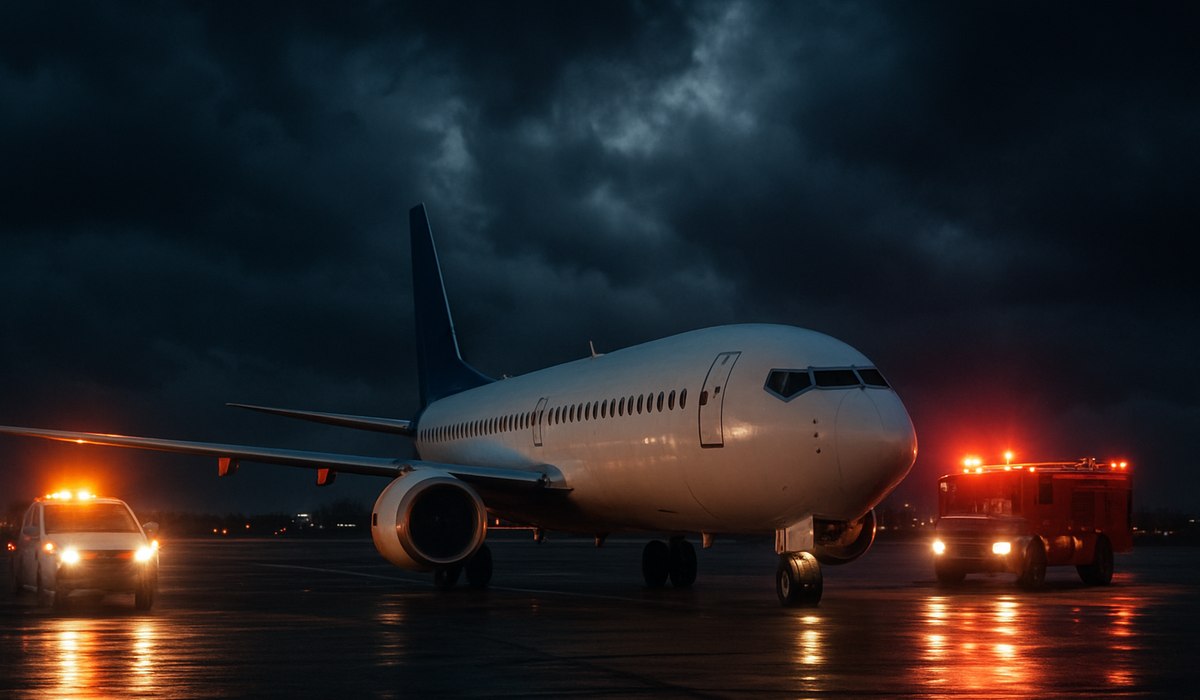
Image generated by AI
Qantas Flight QF857 Diverted Overnight: What Travelers Need to Know
Qantas flight QF857 from Canberra to Perth was diverted to Adelaide Airport in the early hours of Saturday, April 12, 2026, after crew detected an unusual mechanical odour during cruise flight. The Boeing 737 carrying approximately 160 passengers received priority landing clearance and touched down after midnight local time. Engineers inspected the aircraft overnight, cleared it for service, and passengers were progressively rebooked on alternative flights to Perth on Saturday morning. The incident disrupted spring travel plans for dozens of Australian travelers and highlighted how precautionary safety diversion procedures can cascade into significant passenger inconvenience.
What Happened On Board QF857
Flight QF857 departed Canberra on Friday evening, April 11, bound for Perth via standard domestic routing. Approximately two hours into the flight while cruising over southern Australia, cabin crew detected an unusual mechanical or metallic odour circulating through the aircraft's ventilation system. Several passengers reported physical symptoms including headaches and an unusual taste, prompting crew to alert the flight deck immediately.
Following standard aviation safety protocols for unexplained odours or suspected fumes, the decision was made to divert the Boeing 737 to Adelaide Airport rather than continue to Perth. Adelaide was selected as the nearest suitable diversion airport, offering adequate runway length, emergency services infrastructure, and firefighting capabilities. Emergency services were placed on standby ahead of the arrival as part of standard precautionary procedures.
The aircraft received priority landing clearance to touch down after Adelaide's normal curfew hours, landing safely shortly after midnight. Passengers disembarked without incident, though many faced unexpected overnight stays in the airport terminal and surrounding hotels due to limited accommodation availability in Adelaide during concurrent city events.
Safety Response and Emergency Procedures
Aviation regulations require flight crews to treat unexplained cabin odours with extreme caution. When a mechanical or suspicious smell is detected at altitude, crews must consider an immediate diversion to the nearest suitable airport, even without visible smoke or obvious mechanical failure indicators. This conservative approach prioritizes passenger safety while allowing engineers to diagnose potential issues on the ground.
Upon landing in Adelaide, Qantas engineering teams conducted overnight inspections of the Boeing 737's air-conditioning systems, ventilation packs, and related mechanical components commonly associated with cabin odours. According to aviation industry reports, technicians found no serious mechanical defects or safety-critical issues during their comprehensive examination.
The aircraft received clearance to return to commercial service on Saturday morning, suggesting that the odour source was either minor, environmental, or resulted from a non-recurring technical anomaly. Qantas officially characterized the diversion as a precautionary measure aligned with industry best practices. The airline coordinated with regulatory authorities to ensure all safety protocols were followed before permitting the aircraft to resume scheduled operations.
Impact on Passengers and Overnight Disruption
The unexpected overnight detour created substantial cascading disruptions for passengers originally scheduled to arrive in Perth late Friday evening. Instead, approximately 160 travelers found themselves stranded in Adelaide during the early morning hours, facing limited options for rest, accommodation, and onward travel.
Many passengers struggled to secure hotel rooms in Adelaide due to concurrent events in the city and high occupancy rates during spring season travel. Some travelers remained in the airport terminal throughout the night awaiting rebooking options and morning flights. Others secured last-minute accommodation at nearby hotels, incurring unexpected expenses that may qualify for reimbursement under passenger rights regulations.
By Saturday morning, Qantas progressively rebooked affected passengers across multiple flights to Perth. Some passengers continued their journey on the original aircraft once it received engineering clearance, while others were accommodated on separate Qantas services. This staggered redeployment resulted in many travelers reaching Perth many hours later than originally planned, potentially disrupting hotel bookings, rental car reservations, and business or leisure commitments.
The incident demonstrates how even precautionary safety diversions—necessary and appropriate measures—can generate major passenger inconvenience during peak travel seasons when hotel occupancy and flight loads remain elevated.
Aircraft Inspection and Service Clearance
Following standard post-diversion procedures, Qantas engineering teams inspected the Boeing 737 overnight in Adelaide. The comprehensive examination included diagnostics of environmental control systems, pressurization systems, air-conditioning packs, and avionics that might emit odours during operation.
No findings of serious mechanical defect or ongoing safety risk were documented during the overnight inspection. Engineers cleared the aircraft for return to commercial service following normal maintenance sign-off protocols. This rapid clearance suggests that the odour was either a minor operational anomaly, residual environmental contamination, or a non-recurring technical event that did not indicate systemic mechanical failure.
The aircraft resumed revenue service on Saturday morning, resuming its role in Qantas's domestic fleet rotations. The incident remains relatively isolated within Qantas's large volume of daily domestic operations, though it underscores how modern air travel—even within a single country—remains subject to abrupt changes driven by conservative safety procedures designed to prioritize passenger protection over schedule adherence.
Key Data: QF857 Incident Details
| Detail | Information |
|---|---|
| Flight Number | QF857 |
| Route | Canberra (CBR) to Perth (PER) |
| Diversion Airport | Adelaide (ADL) |
| Aircraft Type | Boeing 737 |
| Estimated Passengers | Approximately 160 |
| Departure Time (Friday) | Approximately 19:30 local time |
| Diversion Detection Time | Approximately 21:30 (2 hours into flight) |
| Landing Time (Adelaide) | Approximately 00:15 local time Saturday |
| Landing Clearance | Priority clearance due to suspected safety concern |
| Engineering Clearance | Saturday morning following overnight inspection |
| Service Resumption | Saturday morning with progressive passenger rebooking |
| Odour Description | Mechanical or metallic smell |
| Passenger Symptoms Reported | Headaches, unusual taste |
What This Means for Travelers
If you were booked on QF857 or connected to affected flights during April 11–12, take these immediate actions:
1. Check your Qantas booking confirmation for updated flight details, seat allocations, and arrival times. Contact Qantas customer service if you remain uncertain about your rebooked itinerary. Use the airline's website or call 13 11 3 (Australia) for direct assistance.
2. Review all downstream reservations (hotels, rental cars, attractions) to identify conflicts with your revised arrival time. Notify accommodation providers and rental car companies immediately of any changes, as some may offer flexibility under force majeure circumstances.
3. Document all expenses incurred due to the overnight diversion, including unexpected accommodation, meals, ground transportation, and communication costs. Keep receipts as evidence when filing compensation claims under Australian consumer protection regulations.
4. Submit a formal disruption claim with Qantas within specified timeframes. Australian passengers may be entitled to compensation up to AUD$4,425 for flight disruptions, depending on delay duration and distance, under US DOT equivalent consumer protection principles adopted by Australian aviation authorities.
5. Monitor official Qantas communications for updates regarding compensation eligibility, refund options, or airline-offered rebooking credits. Affected passengers should receive proactive contact from the airline regarding resolution pathways.
Traveler Action Checklist
- Verify your updated flight itinerary by accessing your Qantas booking
Disclaimer
This article is for informational and educational purposes only. It does not constitute legal, financial, or professional advice. While we strive to provide accurate and up-to-date information, travel policies, regulations, and conditions change rapidly. Always verify information with official sources before making travel decisions. Nomad Lawyer makes no representations about the accuracy, reliability, completeness, or suitability of the information provided. Readers should consult qualified professionals for advice specific to their circumstances. The views expressed in this article are those of the author and do not necessarily reflect the views of Nomad Lawyer.
Raushan Kumar
Founder & Lead Developer
Full-stack developer with 11+ years of experience and a passionate traveller. Raushan built Nomad Lawyer from the ground up with a vision to create the best travel and law experience on the web.
Learn more about our team →