
Puebla, Mexico Emerges as the Next Oaxaca: A Hidden Gem Just 2 Hours from Mexico City
Puebla is redefining itself as Mexico's most authentic cultural destination, retaining its soul while staying refreshingly under the radar compared to overtourism-plagued alternatives.

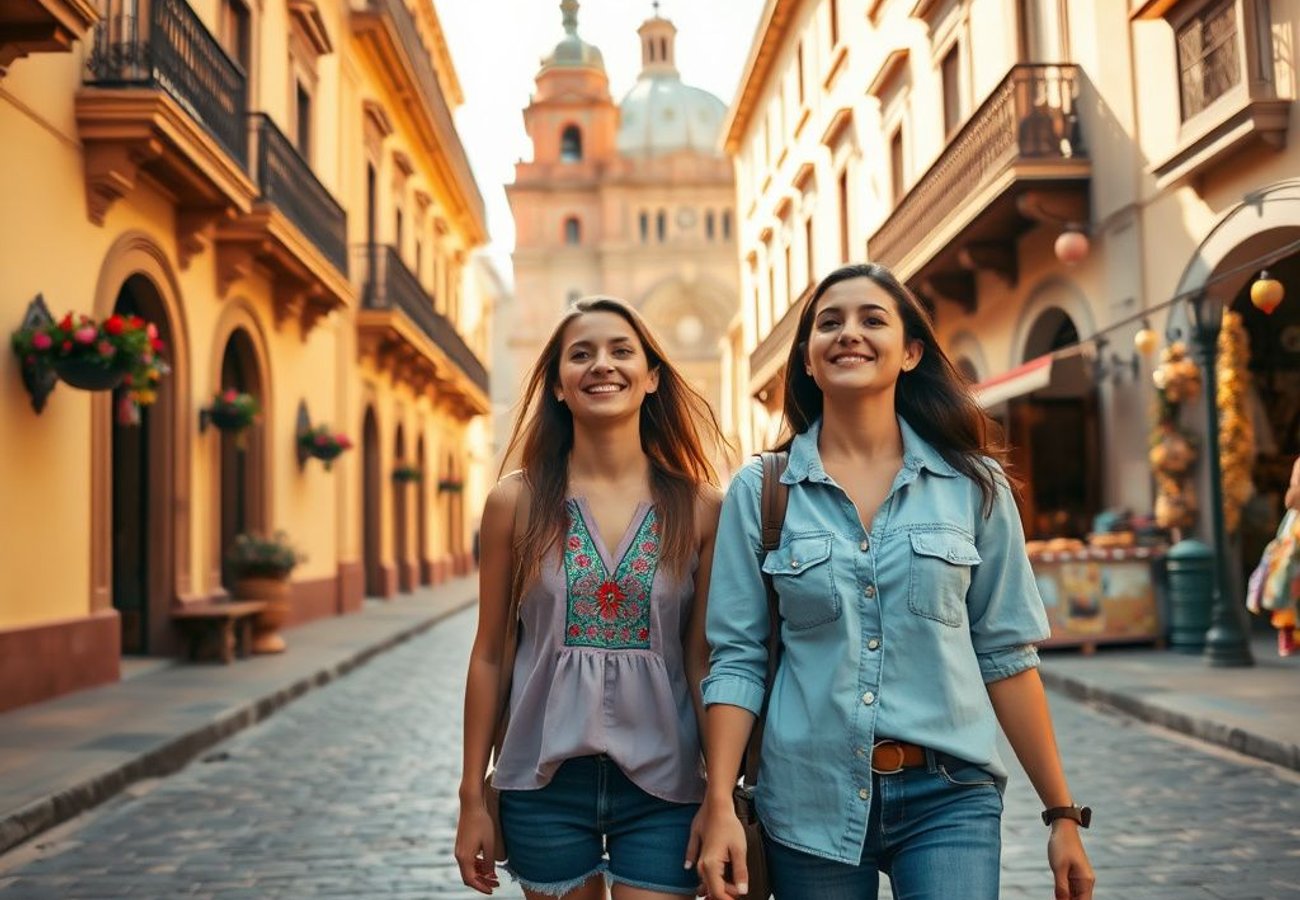
Image generated by AI
The Soul of Mexico Still Beats Here
Puebla isn't trying to be the next anything—it's simply refusing to become what so many beloved destinations have lost: itself.
Walking through the colonial streets of this two-hour escape from Mexico City, you'll notice something vanishing from global tourism. There are locals everywhere. Actual residents living their lives, not performers in a carefully curated Instagram backdrop. Street musicians serenade passersby in the Artist Quarter. Families gather in plazas. The city breathes authenticity in a way that's become increasingly rare.
After spending considerable time across Mexico annually, I discovered what makes Puebla different from its overtourism-exhausted peers like Oaxaca: it's maintaining its identity through genuine cultural preservation, not commercialization.
Reddit: "Puebla feels like what Oaxaca was ten years ago—tourists everywhere asking where the tourists are." — r/MexicoTravel
A City Built on Divine Intention
Puebla was Mexico's first deliberately planned Spanish city, constructed from scratch in the 16th century. The founders called it Puebla de los Ángeles (Puebla of the Angels), claiming divine guidance shaped the city as a beacon of Catholicism.
That religious DNA runs through the city's veins. Dozens of ornate churches dot the metropolitan landscape, their baroque facades and soaring bell towers creating an architectural identity unlike anywhere else in Mexico.
The city's cultural significance extends far beyond colonial aesthetics. On May 5, 1862, Puebla became the site of a historic victory against French invasion forces—the battle that inspired Cinco de Mayo celebrations worldwide. This wasn't just a military victory; it became foundational to Mexican national identity.
The Culinary Capital Nobody's Fighting Over
Here's where Puebla separates itself from the overcrowded destination conversation: its food story is as deep and complex as Oaxaca's, but it's still being told by local voices rather than repackaged for foreign consumption.
Mole is a Pueblan obsession. The city claims at least five distinct regional variations, each with secret family recipes guarded across generations. El Mural de los Poblanos offers a mole tasting that samples the full spectrum of the city's most sacred dish.
But the real crown jewel is chiles en nogada—Mexico's official national dish. Poblano peppers stuffed with meat, fruit, and spices, then doused in walnut cream sauce and finished with pomegranate seeds. The colors represent the Mexican flag. It's traditionally prepared in August and September, and eating it then feels like participating in a culinary ritual rather than ordering off a menu.
According to Ronnie Cerón, a local tour guide with Dopamina Travel, what distinguishes Puebla is its "sense of place." He notes: "Puebla keeps tradition alive through memory, through gastronomy, through love." When he walks international visitors through the city, they're often confused. "They ask, 'Where are the tourists?'" Cerón says. "Because there are so many locals, they feel integrated into the city."
Where to Sleep in a Living Museum
Banyan Tree Puebla occupies a 19th-century building near the Artist Quarter and was named one of Mexico's best resorts by readers in 2025. The rooftop terrace is arguably the city's most stunning—a fairy-tale garden suspended above colonial streets. Four on-site restaurants and a full-service spa complete the experience.
For palace-level immersion, Palacio Julio Hotel comprises two restored 17th-century palaces with vaulted ceilings and grand chandeliers. The real magic happens outside the windows: sweeping views of the historic center punctuated by multiple church domes framed in every direction.
Quinta Real Puebla is a renovated 16th-century convent blending ancient architectural details with modern comfort. A courtyard fountain, wellness spa, and mezcaleria with some of the city's finest cocktails justify the stay alone.
Casareyna and Cartesiano Boutique & Wellness Hotel round out the luxury landscape—both offering personal service, on-site dining, and spa facilities that prioritize genuine wellness over trend-chasing.
Beyond the Hotel Room
The Museo Amparo is essential. Cerón calls it his favorite because it tells Puebla's complete story—pre-Hispanic art, colonial masterpieces, and contemporary exhibitions under one rooftop terrace perfect for morning coffee or evening gin and tonics.
Spend an afternoon in the Artist Quarter, where troubadours perform nightly and street art complements colonial facades. Visit a talavera pottery factory to watch artisans hand-paint traditional ceramic designs that have remained virtually unchanged for 400 years.
The timing matters. Visit in August or September to experience chiles en nogada season—when the entire city celebrates its national dish with the kind of enthusiasm reserved for harvest festivals.
Getting There (And Why It Matters)
Puebla sits just over two hours from Mexico City by car or bus, making it an ideal day trip or weekend escape. The proximity to Mexico's capital means you're not choosing between destinations—you're expanding your Mexico City itinerary into authentic cultural territory.
The accessibility also explains why Puebla hasn't been "discovered" in the viral tourism sense. It's close enough to visit without requiring a dedicated vacation, which paradoxically keeps it off the overtourism radar. Travelers rushing to bucket-list destinations miss what's quietly thriving in the foreground.
The Anti-Oaxaca Strategy
In an era where beloved cultural destinations are choking under visitor volume and anti-tourism sentiment is reshaping Mexico's relationship with travelers, Puebla represents something rarer: a destination actively preserving its identity while remaining genuinely welcoming.
The city isn't marketing itself as "the next" anything. It's simply continuing to live—cooking traditional mole, celebrating religious festivals, practicing centuries-old pottery techniques, and existing as a functional Mexican city rather than a heritage museum or Instagram location.
That's the distinction that matters. Puebla is becoming the next Oaxaca because it's refusing to become what made Oaxaca overcrowded. It's betting on authenticity over accessibility, community over commodification, and tradition over trend cycles.
For travelers seeking what Oaxaca once offered—genuine cultural immersion, world-class cuisine, colonial beauty, and the sensation of discovering something real—Puebla isn't just an alternative destination. It's the destination that remembered what makes travel meaningful in the first place.
The soul of a city is measured not by how many tourists it attracts, but by how many locals it keeps.
Related Travel Guides
Disclaimer
This article is for informational and educational purposes only. It does not constitute legal, financial, or professional advice. While we strive to provide accurate and up-to-date information, travel policies, regulations, and conditions change rapidly. Always verify information with official sources before making travel decisions. Nomad Lawyer makes no representations about the accuracy, reliability, completeness, or suitability of the information provided. Readers should consult qualified professionals for advice specific to their circumstances. The views expressed in this article are those of the author and do not necessarily reflect the views of Nomad Lawyer.
Raushan Kumar
Founder & Lead Developer
Full-stack developer with 11+ years of experience and a passionate traveller. Raushan built Nomad Lawyer from the ground up with a vision to create the best travel and law experience on the web.
Learn more about our team →