
The Psychology of Flying: How Passengers Survive Massive Travel Chaos, Boarding Gridlock, and Sudden Flight Cancellations to Find Peace at 35,000 Feet: Latest Airline News
Despite severe travel chaos, brutal boarding confusion, and rolling airport disruptions, the psychological allure of air travel endures as the ultimate escape.

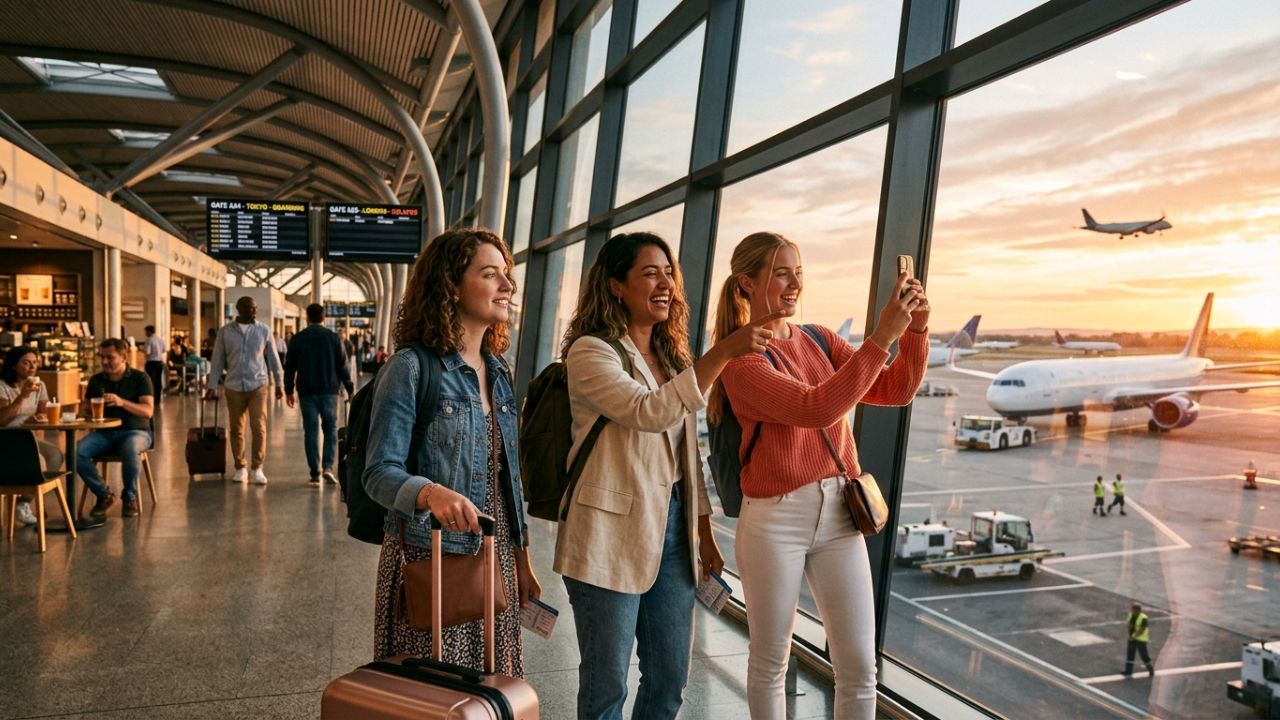
Image generated by AI
In an era dominated by rolling delays, catastrophic travel chaos, and the constant, looming threat of sudden flight cancellations, the modern passenger experience has devolved into a grueling endurance test. Yet, a fascinating psychological phenomenon continues to drive the industry: people still fundamentally love to fly. Published on June 19, 2026, new industry editorials are exploring exactly why the allure of aviation endures despite the brutal reality of modern airport disruptions. For millions of global travelers, the journey is no longer just about reaching a destination; it is a complex emotional transition. The grueling navigation through overbooked terminals, infuriating boarding confusion, and intense security stress is ultimately rewarded by the absolute, disconnected tranquility found at 35,000 feet. As legacy carriers and low-cost operators alike struggle to mitigate terminal gridlock, understanding how passengers mentally process the stark contrast between ground-level panic and high-altitude peace is driving today's most compelling feature in airline news and essential global aviation updates.
By introducing direct passenger coordination and dynamic scheduling backups, the regional aviation hubs target growing passenger demand across vital commerce sectors. The choice to coordinate flight departures in phases helps to manage gate capacity, supporting the country's broader regional transportation network.
Context: The Mental Toll of the Modern Airport
For the average corporate executive or summer vacationer, merely entering an airport terminal requires an immediate psychological shift.
Historically, airports were viewed as glamorous gateways. Today, they are high-stress environments defined by the sheer unpredictability of travel chaos. The mental toll begins the moment a traveler sees a crowded departure board. Passengers are hyper-aware that a single localized thunderstorm or a minor Air Traffic Control restriction can instantly cascade into nationwide flight cancellations. Yet, despite this baseline anxiety, the airport also generates a unique, shared anticipation. You are surrounded by thousands of strangers—students returning home, business professionals prepping for meetings, and families embarking on long-awaited holidays. This collective movement creates a palpable energy. Standing at huge glass windows watching widebody aircraft arrive and depart, passengers experience a strange mix of nerves and excitement. It is a transitional space where the normal rules of daily life are suspended, and everyone is hyper-focused on the singular goal of boarding their aircraft before the next wave of rolling delays strikes the terminal.
To view live flight schedules, verify the active delay status of your specific itinerary, or to track active regional airspace restrictions, travelers must consult official aviation directories. For direct updates regarding how massive operational collapses and sudden route abandonments might affect your specific domestic or international connections, travelers should aggressively utilize the official portals of their operating airlines. To explore live flight tracking and monitor the exact severity of the cascading bottlenecks causing the flight cancellations at massive global hubs, passengers can consult the official FlightAware tracking service.
Section-Wise Breakdown: The Journey from Chaos to Calm
The Boarding Gridlock: Peak Terminal Stress
If there is one specific phase of air travel that universally breaks passenger patience, it is the boarding process. The concept of zoned boarding is perfectly organized on paper but instantly devolves into tribal warfare in reality. The stress kicks in when passengers, terrified of overhead bin shortages, aggressively line up before their group is called. This triggers intense confusion over priority boarding, slows the physical loading of the aircraft, and exacerbates rolling delays. It is the absolute peak of pre-flight travel chaos.
The Takeoff Transition: Leaving the Disruptions Behind
The psychological payoff begins the moment the aircraft pushes back from the gate. As the engines spool up and the aircraft lifts off, the terminal gridlock, the threat of flight cancellations, and the stress of the boarding queue are instantly left behind on the tarmac. Watching the sprawling city grid shrink into tiny, irrelevant patterns below provides a profound sense of physical and mental detachment that simply cannot be replicated by any other form of transport.
The In-Flight Sanctuary: The Ultimate Disconnection
Once at cruising altitude, the cabin transforms into a quiet, floating sanctuary. The steady hum of the turbofan engines acts as white noise, masking the lingering frustrations of limited legroom or slow cabin service. For many passengers, this is the only time they are genuinely disconnected from the relentless demands of digital life. It is an enforced pause—a temporary floating world where the only obligation is to sit back, rest, and wait.
Technical Roster: The Aviation Psychology Matrix
To ensure a structured understanding of how passengers navigate the intense emotional swings of modern air travel—from the threat of flight cancellations to in-flight peace—the following matrix details the verified psychological phases of a standard flight event:
The Aviation Psychology & Disruption Matrix
| Experience Phase | Primary Passenger Emotion | Common Chaos Triggers |
|---|---|---|
| Pre-Flight Gate Wait | Anticipation / High Anxiety | Rolling delays, lack of terminal seating, fear of cancellations |
| Boarding Sequence | Intense Stress / Frustration | Zone confusion, aggressive overhead bin competition |
| In-Flight Cruise | Deep Tranquility / Disconnection | Minor turbulence, limited physical cabin space |
| Arrival & Deplaning | Urgency / Relief | Missed connection anxiety, agonizing baggage claim delays |
Passenger Impact: Navigating the Shared Space
For the millions of people crammed into narrowbody jets every day, the human element of flying remains one of its most enduring, yet challenging, aspects.
The immediate passenger impact of this shared environment is a profound test of empathy and endurance. You are strapped into a metal tube hurtling through the stratosphere alongside 200 people you will likely never see again. This shared vulnerability unites the cabin. However, when the flight suffers a severe delay or is forced into a holding pattern due to downstream airport disruptions, the mood in the cabin can turn instantly hostile. The way passengers manage these small frustrations—fighting for armrest dominance, navigating slow beverage service, or dealing with reclining seats—dictates the overall in-flight experience. Yet, astoundingly, most frequent flyers successfully compartmentalize these frustrations. They mentally separate the agonizing ground-level travel chaos from the pure, undeniable joy of being in the air, accepting the temporary discomfort as the necessary toll for experiencing the miracle of flight.
Industry Analysis: Monetizing the Passenger Experience
Aviation industry analysts view this enduring psychological love of flying as the ultimate economic safety net for global airlines, allowing them to maintain profitability even when operational reliability plummets.
Analysts note that if any other industry routinely subjected its customers to the level of travel chaos, sudden service cancellations, and physical discomfort that airlines do, the consumer base would completely revolt. However, because air travel holds a unique monopoly on speed and offers a deeply ingrained psychological thrill, airlines know passengers will always return. Industry experts point out that airlines are aggressively attempting to monetize the pre-flight stress. By making the main terminal experience as chaotic as possible, carriers successfully drive high-margin revenue through the sale of premium lounge access, priority boarding upgrades, and fast-track security passes. Analysts predict that as airport disruptions become more severe, the psychological desire to bypass the boarding chaos will become the single largest driver of ancillary revenue for legacy carriers worldwide.
Actionable Advice for Surviving Airport Stress
While you cannot control nationwide ATC restrictions or prevent rolling delays, you can execute this strategic survival checklist to mentally and physically bypass terminal travel chaos:
- Adopt the "Personal Bubble" Strategy: The most effective way to survive a severely delayed flight is to mentally detach from the surrounding panic. Pack premium noise-canceling headphones and download an aggressive amount of offline content. If your flight is delayed by three hours, physically move away from the crowded gate, find a quiet corner in a different terminal, and isolate yourself from the collective anxiety.
- Never Engage in Gate Lice Behavior: Hovering around the boarding scanner before your zone is called (a phenomenon known as "gate lice") radically increases your personal stress and contributes to the overall boarding confusion. Remain seated until your specific group is explicitly called. The plane cannot leave without you once you are ticketed and present.
- Travel Exclusively with Under-Seat Bags: The primary driver of boarding anxiety is the fear of finding no overhead bin space. Eliminate this stress entirely by packing a soft-sided backpack that fits completely under the seat in front of you. You bypass the overhead bin warfare, maintain total physical agility during tight connections, and can board the aircraft last without any fear.
- Reframing the Delay: When severe airport disruptions strike, reframe the event mentally. Instead of viewing a three-hour delay as wasted time, treat it as enforced downtime. Use the time to read, catch up on sleep, or simply disconnect. Accepting that the travel chaos is entirely out of your control is the absolute key to surviving modern aviation intact.
FAQ: The Psychology of Modern Air Travel
Why do people still love flying despite the travel chaos?
Despite severe airport disruptions and flight cancellations, passengers cherish the unique psychological transition of flying—specifically the enforced disconnection, tranquility, and physical detachment found at cruising altitude.
What causes the most stress during the flight experience?
The boarding process is universally cited as the most stressful phase, driven by passenger confusion over boarding zones, intense competition for limited overhead bin space, and the fear of rolling delays.
How can travelers reduce their anxiety at the airport?
Frequent flyers drastically reduce stress by arriving early, refusing to check luggage, utilizing noise-canceling headphones to block out terminal panic, and viewing the flight itself as protected personal downtime.
The Reality of Navigating the Skies
The enduring allure of air travel proves definitively that the psychological magic of flight can still overpower the brutal realities of modern travel chaos. By successfully compartmentalizing the agonizing terminal gridlock, the infuriating boarding confusion, and the constant threat of sudden flight cancellations, passengers manage to find profound peace once the aircraft leaves the ground. As major airlines continue to struggle with operational fragility—frequently triggering massive terminal queues, rolling delays, and severe airport disruptions—travelers must accept a critical new reality: surviving the volatile skies requires actively protecting your mental space, ruthlessly optimizing your carry-on strategy, and embracing the temporary, floating disconnection that only aviation can provide.
Key Takeaways
- The Enduring Allure: Despite constant exposure to massive airport disruptions and flight cancellations, the psychological thrill and peaceful disconnection of flying remain highly valued by passengers.
- Peak Terminal Anxiety: The boarding process generates the highest concentration of travel chaos, driven by zone confusion and aggressive overhead baggage competition.
- The High-Altitude Sanctuary: Cruising altitude provides a rare, enforced pause from digital connectivity, allowing travelers to experience deep psychological rest.
- Monetizing the Panic: Airlines actively leverage the stress of the public terminal to drive highly profitable sales of priority boarding and premium lounge access.
- Passenger Survival: Travelers must aggressively adopt noise-canceling technology, strictly use under-seat luggage, and mentally reframe delays to survive the psychological toll of modern transit.
Related Travel Guides
Massive Travel Chaos Paralyzes Chicago O'Hare with 1,425 Disruptions
Disclaimer
This article is for informational and educational purposes only. It does not constitute legal, financial, or professional advice. While we strive to provide accurate and up-to-date information, travel policies, regulations, and conditions change rapidly. Always verify information with official sources before making travel decisions. Nomad Lawyer makes no representations about the accuracy, reliability, completeness, or suitability of the information provided. Readers should consult qualified professionals for advice specific to their circumstances. The views expressed in this article are those of the author and do not necessarily reflect the views of Nomad Lawyer.
Kunal K Choudhary
Co-Founder & Contributor
A passionate traveller and tech enthusiast. Kunal contributes to the vision and growth of Nomad Lawyer, bringing fresh perspectives and driving the community forward.
Learn more about our team →