
PSA Airlines Flight JIA5367 Diverts to Richmond Due to Washington DC Airspace Congestion
A regional flight from Raleigh-Durham to Washington DC was forced to divert to Richmond, Virginia, after severe thunders

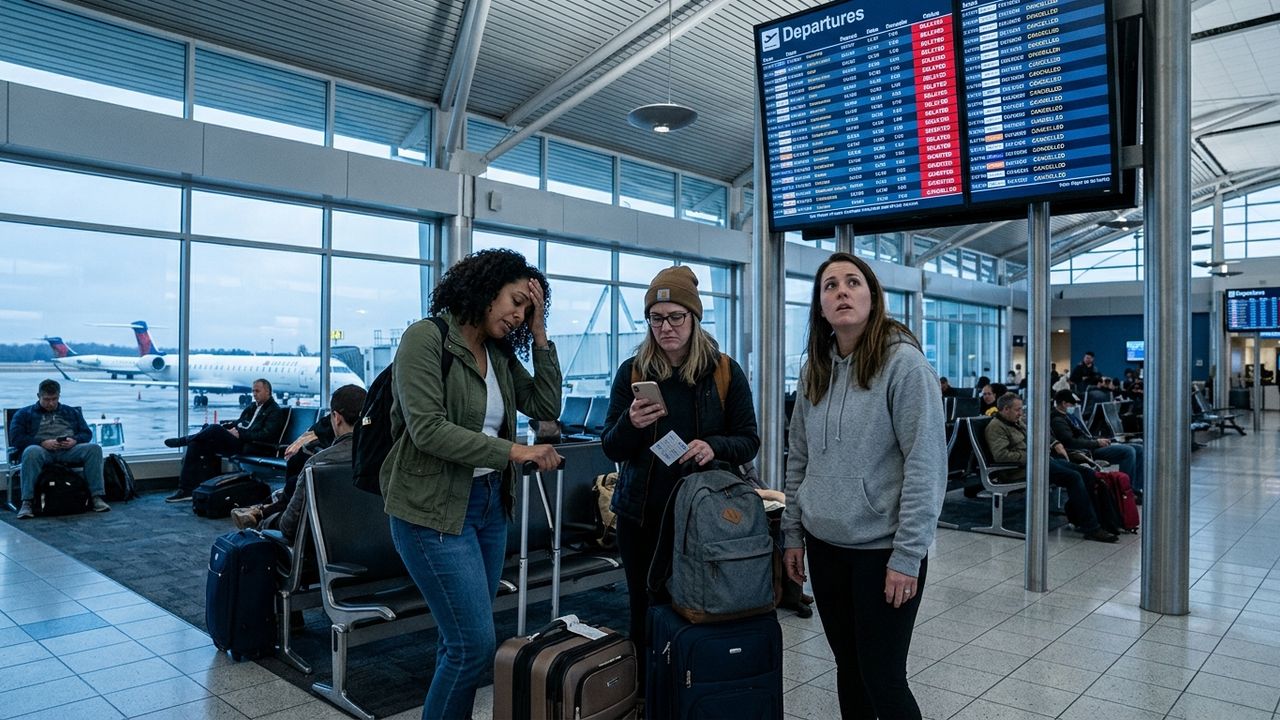
Image generated by AI
Weather and Congestion Force Tactical Diversion
On June 26, 2026, a scheduled commuter service operated by PSA Airlines on behalf of American Airlines experienced a significant operational shift. Flight JIA5367, utilizing a Mitsubishi CRJ-701ER, was unable to complete its planned route from Raleigh-Durham to Washington DC.
The aircraft departed North Carolina at 4:29 PM following a ground delay. While the initial ascent was nominal, the flight encountered heavy congestion and severe weather systems as it approached the capital.
Air traffic control logs indicate that Ronald Reagan Washington National Airport (DCA) was managing substantial arrival backlogs. Localized thunderstorms blocked primary East Coast arrival corridors, forcing controllers to implement restrictive holding patterns.
Fuel Logistics and the Decision to Divert
The decision to divert to Richmond International Airport (RIC) was driven by the specific operational profile of the Mitsubishi CRJ-701ER. Because regional jets are engineered for short-haul efficiency, they carry more optimized fuel reserves than larger mainline aircraft.
Extended airborne holding patterns over a congested metropolitan area like Washington DC can quickly deplete these reserves. To avoid testing legal minimum fuel limits, the flight crew and dispatch team coordinated an immediate rerouting to Virginia.
Richmond was selected as the diversion point due to its comprehensive terminal facilities and available maintenance support, ensuring passenger safety and aircraft stability.
Timeline of Operational Disruptions
The diversion was the result of a compounding series of delays that pushed the flight into the peak afternoon traffic window.
- Departure Delay: The aircraft remained at the Raleigh-Durham gate until 4:29 PM, departing approximately 41 minutes behind schedule.
- En-Route Challenges: The crew navigated around convective weather cells over the mid-Atlantic coast during the climb.
- Diversion Execution: At 5:14 PM—the time originally slated for a Washington touchdown—the aircraft landed safely in Richmond.
Regional Aircraft Constraints in Hub Congestion
This incident highlights the vulnerability of regional networks during systemic delays. The CRJ-701ER is a 70-seat twin-jet designed for rapid turnaround and agility. However, its smaller airframe cannot carry the massive contingency fuel loads found on Boeing or Airbus mainline jets.
When major hubs experience rolling delays, regional flights are often the first to be diverted. This is a standard safety procedure to ensure that aircraft do not reach critical fuel states while waiting for a landing slot.
Passenger Impact and Resolution
All passengers on flight JIA5367 remained safe throughout the tactical rerouting. Upon landing at Richmond International Airport, American Airlines ground teams managed the delayed schedule to facilitate the final leg of the journey to Washington.
Flight Data Summary
| Flight Detail | Information |
|---|---|
| Flight Number | JIA5367 |
| Operator | PSA Airlines (for American Airlines) |
| Aircraft Type | Mitsubishi CRJ-701ER |
| Origin | Raleigh-Durham, NC |
| Intended Destination | Washington DC (DCA) |
| Diversion Airport | Richmond International Airport (RIC) |
| Departure Time | 4:29 PM |
| Landing Time (RIC) | 5:14 PM |
| Primary Cause | Thunderstorms & Airspace Congestion |
Key Takeaways
- Safety First: The diversion was a proactive measure to maintain mandatory fuel reserves.
- Weather Impact: Localized thunderstorms in the DC area created a backlog that made landing at Reagan National impractical.
- Regional Limitations: The optimized fuel capacity of the CRJ-701ER makes regional jets more susceptible to diversions during long holding patterns.
- Efficient Recovery: Richmond International Airport served as a strategic alternative for refueling and passenger management.
FAQ
Why did flight JIA5367 divert instead of circling the airport? Regional jets like the CRJ-701ER have limited fuel reserves compared to larger planes. Long holding patterns would have risked bringing the aircraft too close to its legal fuel minimums.
What caused the delays at Washington Reagan National (DCA)? Severe regional congestion combined with localized thunderstorms blocking the standard arrival corridors into the city.
Were there any injuries or emergencies on board? No. The diversion was a tactical, safety-first decision coordinated between the flight crew and dispatch.
Related Travel Guides
Disclaimer
This article is for informational and educational purposes only. It does not constitute legal, financial, or professional advice. While we strive to provide accurate and up-to-date information, travel policies, regulations, and conditions change rapidly. Always verify information with official sources before making travel decisions. Nomad Lawyer makes no representations about the accuracy, reliability, completeness, or suitability of the information provided. Readers should consult qualified professionals for advice specific to their circumstances. The views expressed in this article are those of the author and do not necessarily reflect the views of Nomad Lawyer.
Kunal K Choudhary
Co-Founder & Contributor
A passionate traveller and tech enthusiast. Kunal contributes to the vision and growth of Nomad Lawyer, bringing fresh perspectives and driving the community forward.
Learn more about our team →