
Japan Airlines Engineering Salaries and the Global Surge in Aviation Maintenance Demand
As aircraft fleets modernize and digital diagnostics redefine safety, Japan Airlines is evolving its compensation and tr

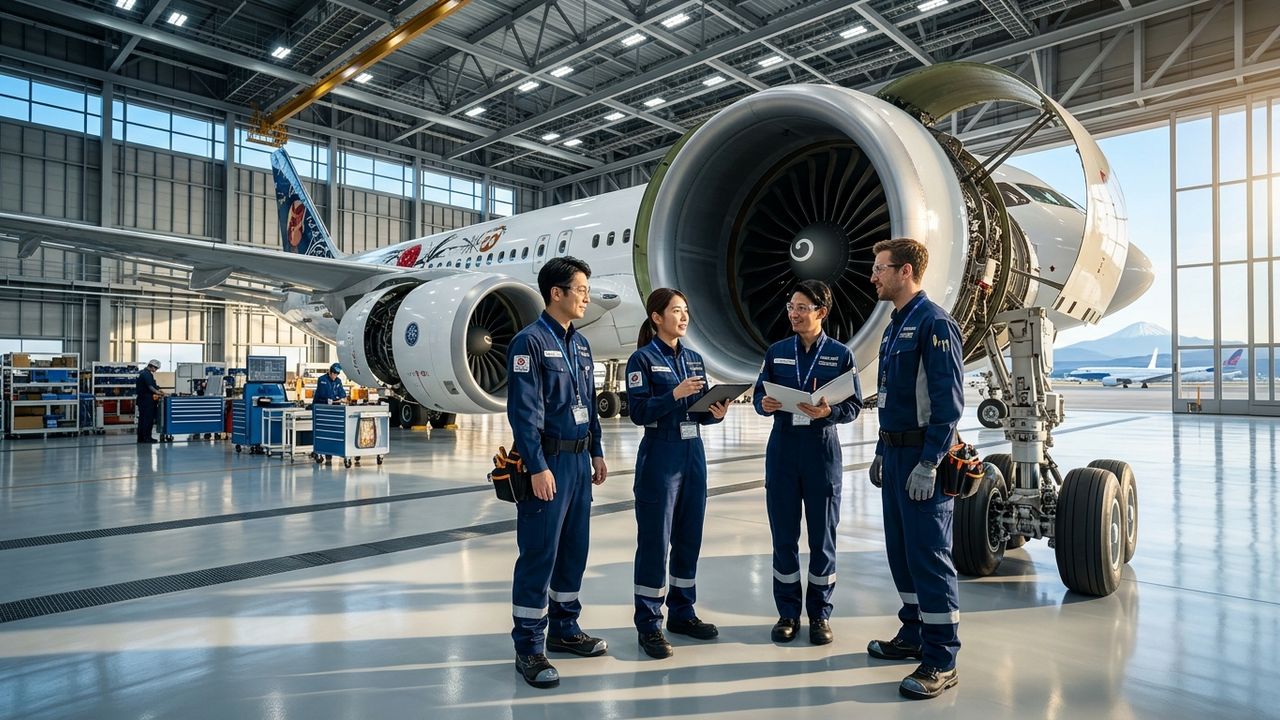
Image generated by AI
The Shift Toward Digital Aviation Maintenance
In 2026, the aviation maintenance sector is experiencing a significant transformation, driven largely by the operational requirements of Japan Airlines. The role of the Aircraft Maintenance Engineer (AME) has transitioned from a purely mechanical function to a hybrid technical role.
This shift is necessitated by the integration of next-generation aircraft systems and a global push for stricter safety frameworks. Consequently, there is a surging demand for technicians who can navigate both traditional engineering and advanced digital environments.
Workforce Hierarchy and Operational Roles
Japan Airlines utilizes a tiered technical structure to maintain efficiency across its domestic hubs and international facilities. This ensures that safety-critical tasks are matched with the appropriate level of certification.
- Aircraft Maintenance Engineers (AMEs): Responsible for certifying aircraft airworthiness, diagnosing complex technical faults, and conducting scheduled inspections.
- Ground Technicians: Provide essential support by managing hydraulics, avionics, structural integrity, and general mechanical systems.
- Digital Specialists: A growing cohort focusing on AI-supported diagnostics and predictive analytics to reduce aircraft downtime.
To maintain a 24/7 operational rhythm at major hubs like Tokyo Haneda and Narita, the airline relies on a shift-based deployment model, placing a premium on engineers capable of performing high-pressure turnarounds.
Compensation Framework and Salary Drivers
The 2026 salary structure for aviation technicians at Japan Airlines is designed to remain competitive within the premium Asian aviation market. Compensation is no longer based solely on tenure but is heavily influenced by specialization.
Base pay is supplemented by several key variables:
- Certification Authority: Mid-to-senior level AMEs earn significantly more due to their legal authority to sign off on airworthiness documentation.
- Operational Allowances: Additional pay is provided for night shifts, international deployments, and high-risk operational exposure.
- Technical Incentives: Bonuses are increasingly tied to mastery of predictive maintenance technologies and advanced avionics.
Career Pathways and Modern Training
The trajectory from an entry-level technician to a senior AME is defined by a blend of formal education and rigorous operational experience.
Training in 2026 has evolved to include digital simulation environments. These tools allow engineers to troubleshoot real-world scenarios in a risk-free setting before applying them to live aircraft. This evolution has directly improved technical accuracy and regulatory compliance across the fleet.
Progression is typically marked by tiered licensing. As technicians acquire more certifications, they move into supervisory roles, eventually overseeing entire maintenance operations and coordinating international flight readiness.
Industry Outlook: The Future of Aviation Engineering
The long-term outlook for aviation maintenance remains bullish. The combination of fleet modernization and increased international passenger demand ensures a steady requirement for skilled labor.
Future salary trends are expected to favor "hybrid" engineers—those who possess both traditional mechanical expertise and data science capabilities. As AI-driven diagnostics become the industry standard, the financial reward for these specialized skill sets will likely increase, further cementing the stability and prestige of aviation engineering careers in Japan.
Summary of Maintenance Workforce Structure
| Role Level | Primary Responsibility | Key Compensation Drivers |
|---|---|---|
| Entry-Level Technician | Mechanical & Systems Support | Base Pay + Training Incentives |
| Mid-Level AME | Fault Diagnosis & Certification | Certification Authority + Shift Allowances |
| Senior Engineer | Operational Oversight & Compliance | Seniority + Specialization Bonuses |
| Digital Specialist | Predictive Analytics & AI Diagnostics | Technical Expertise + Digital Skill Premiums |
Key Takeaways
- Digital Integration: AI and predictive analytics are now central to maintenance, creating a demand for hybrid technical skills.
- Certification Value: Salary growth is tied closely to the ability to certify aircraft airworthiness.
- Training Evolution: Simulation-based learning is replacing traditional methods to increase safety and precision.
- Market Stability: Expanding global connectivity and new aircraft deliveries are ensuring long-term job security for AMEs.
FAQ
What factors most influence an AME's salary at Japan Airlines in 2026? Beyond the base salary, compensation is driven by certification levels, the ability to sign off on airworthiness, and expertise in digital predictive maintenance.
How has training changed for aircraft technicians? Training now heavily incorporates digital simulations, allowing technicians to practice complex repairs in a virtual environment before working on actual aircraft.
Which airports are the primary hubs for these maintenance roles? The most critical operational demand is concentrated at Tokyo Narita and Tokyo Haneda airports.
Related Travel Guides
Disclaimer
This article is for informational and educational purposes only. It does not constitute legal, financial, or professional advice. While we strive to provide accurate and up-to-date information, travel policies, regulations, and conditions change rapidly. Always verify information with official sources before making travel decisions. Nomad Lawyer makes no representations about the accuracy, reliability, completeness, or suitability of the information provided. Readers should consult qualified professionals for advice specific to their circumstances. The views expressed in this article are those of the author and do not necessarily reflect the views of Nomad Lawyer.
Kunal K Choudhary
Co-Founder & Contributor
A passionate traveller and tech enthusiast. Kunal contributes to the vision and growth of Nomad Lawyer, bringing fresh perspectives and driving the community forward.
Learn more about our team →