
Major Iberian Heatwave Expands as Portugal Joins Spain and France Facing 40°C Extreme Temperatures as Early Summer Climate Crisis Disrupts European Tourism: New Updates Everything You Need to Know
As inland temperatures approach 40°C across Portugal, Spain, and France, early summer climate extremes are disrupting tourism flows and forcing traveler relocations.

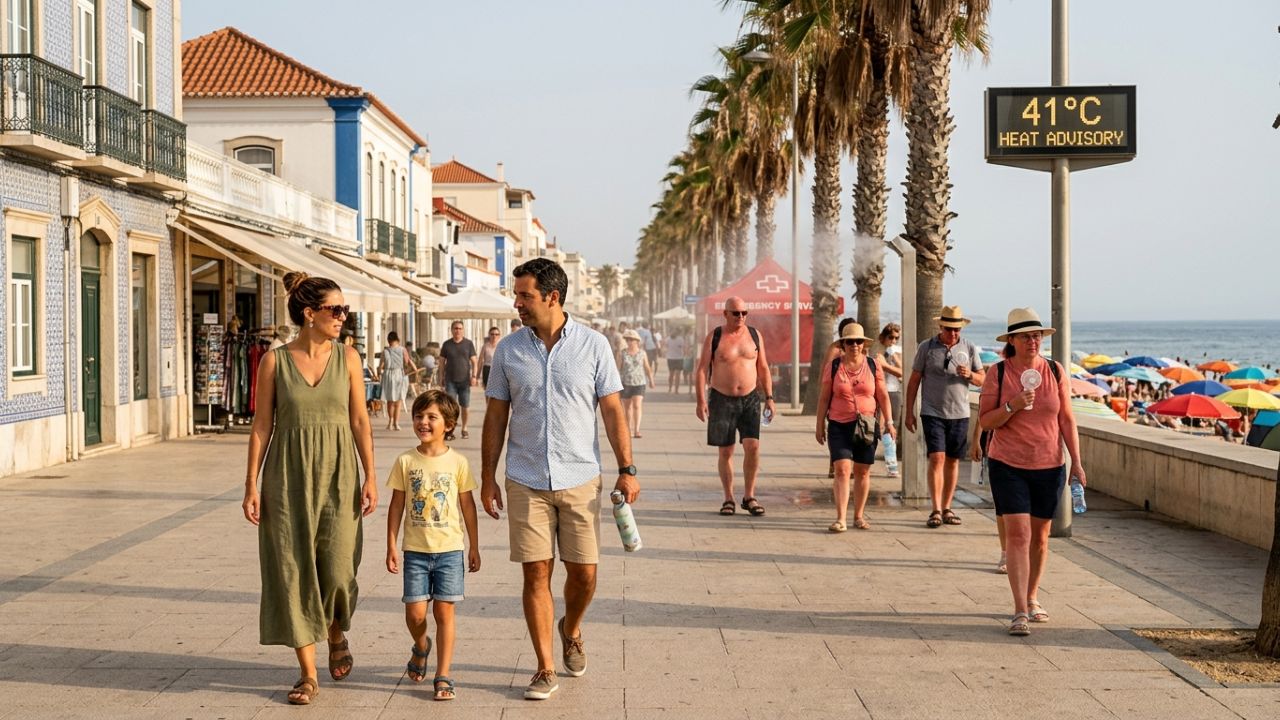
Image generated by AI
In an escalating environmental development affecting Western Europe, a major early summer heatwave has expanded across the Iberian Peninsula as Portugal officially joins Spain and France in battling extreme temperatures approaching 40°C. This unprecedented heat dome event is currently generating significant climate-driven stress, disrupting regional tourism patterns and forcing hospitality operators to adapt rapidly. As inland territories face near-record heat peaks, coastal regions are struggling with elevated humidity levels that exacerbate physical discomfort for travelers. Consequently, the massive geographical sweep of this weather crisis has triggered a major shift in visitor behavior and created localized operational challenges. With meteorological forecasts suggesting that these extreme climate conditions will persist, public health organizations and local authorities are issuing urgent safety protocols. Everything you need to know about this developing situation highlights the systemic challenges now confronting European tourism corridors as early seasonal anomalies become more frequent.
Meteorological Drivers and the Expansion of the Iberian Heat Dome
Atmospheric Pressure and the Trap of the Heat Dome
Meteorological models confirm that the principal driver behind this early summer crisis is a persistent, high-pressure system locking warm air directly over the Iberian Peninsula. This intense atmospheric structure, colloquially known as a heat dome, prevents normal cloud formation and precipitation, leading to uninterrupted solar radiation that heats the ground surface day after day. Additionally, the descending air within the high-pressure system compresses, further raising surface temperatures and preventing cooler oceanic winds from penetrating inland. Consequently, this self-reinforcing thermodynamic cycle traps extreme heat close to the ground, leading to consecutive days of rising temperatures with very little relief.
Furthermore, this high-pressure block remains stationary, deflecting the typical Atlantic weather systems that would otherwise bring rain and cooler maritime air to the region. As a result, the region is experiencing prolonged thermal stress that accumulates over several days, raising night temperatures to levels that prevent physiological recovery. In addition, this stationary pattern extends deep into the upper troposphere, suggesting that the heatwave will not easily dissipate without a major atmospheric shift. Concurrently, forecasters note that the lack of soil moisture due to dry spring conditions has exacerbated the heating process, as the sun's energy is used to directly heat the air rather than evaporate water.
Saharan Air Intrusion and Global Warming Dynamics
Moreover, the heat dome is drawing hot, dry air masses originating from North Africa directly across the Mediterranean into southern Europe. This Saharan air intrusion acts as a thermal amplifier, introducing massive volumes of heated air into Spain, Portugal, and France. Concurrently, these air masses carry fine dust particles that can lower air quality, complicating the public health situation for tourists and residents alike. Building upon this, meteorological data indicates that these Saharan air currents have pushed baseline temperatures up to +10°C above historical seasonal averages.
In addition, researchers associate the increasing frequency and intensity of such early-season Saharan intrusions with broader global warming dynamics. As the jet stream weakens and behaves more erratically, warm tropical air masses are able to push further north into Europe earlier in the year. Consequently, events that were once considered mid-summer anomalies are now occurring in late spring and early summer, catching local infrastructure unprepared. Consequently, this shift in climate patterns represents a structural change in the European weather system, demanding long-term adaptation strategies from governments and businesses.
Regional Heatwave Breakdown: Inland Extremes Versus Coastal Stress
Inland Extremes and Wildfire Danger
Inland regions across the Iberian Peninsula are bearing the brunt of the temperature spikes, with thermometers in key administrative districts approaching or exceeding 40°C. In central Spain and Portugal's Alentejo and Ribatejo regions, these extreme temperatures have dried out vegetation, creating an exceptionally high risk of wildfires. In response, local fire services and civil protection agencies have been placed on high alert, restricting access to forest areas and banning outdoor activities that could trigger accidental blazes. Furthermore, these agricultural heartlands are experiencing acute soil moisture deficits, placing immense strain on local farming communities.
Additionally, urban areas located inland, such as Madrid, Seville, and Zaragoza, are struggling under the urban heat island effect, where concrete and asphalt absorb heat during the day and radiate it back at night. This phenomenon prevents temperatures from dropping below 20°C or 22°C during the night, leading to what meteorologists classify as "tropical nights". Concurrently, these elevated night temperatures increase heat fatigue among residents and tourists who do not have access to adequate cooling facilities. Consequently, the lack of nocturnal cooling prevents the human body from recovering from daytime heat stress, elevating the risk of heat exhaustion and cardiovascular strain.
Coastal Pressure and Beach Infrastructure Strains
Meanwhile, coastal regions present a different but equally challenging set of circumstances. Although temperatures near the Atlantic Ocean and the Mediterranean Sea are moderated by sea breezes, the air remains highly humid, which dramatically increases the heat index and overall physical discomfort. Consequently, beach destinations in Portugal's Algarve and Spain's Costa del Sol are experiencing sustained heat stress conditions that make outdoor relaxation difficult. Moreover, the lack of wind circulation in sheltered bays traps warm, moist air, creating muggy conditions that are highly uncomfortable for tourists.
In response to these coastal conditions, a massive migration of tourists from inland historical cities toward beach resorts has occurred, placing immense pressure on coastal infrastructure. As a result, coastal hotels, restaurants, and public transportation networks are operating at peak capacity, leading to crowded beaches and high demand for electricity. Furthermore, municipal water supplies in some coastal areas are facing strain as demand surges, highlighting the vulnerability of tourism-dependent regions to sudden climate-driven population shifts. Concurrently, marine biologists are observing rising sea surface temperatures, which could have long-term ecological consequences for coastal marine life.
Structural Disruptions and Tourism Industry Adaptations
Re-Routing and Rescheduling Excursions
The ongoing heatwave has directly disrupted traditional travel patterns across the Iberian Peninsula, forcing tour operators and travelers to radically adjust their daily itineraries. To avoid the peak heat hours, which typically fall between 12:00 PM and 5:00 PM, outdoor excursions to historical sites are being scheduled for the early morning or late evening. Concurrently, many popular inland outdoor attractions, including archaeological ruins and national parks, are closing early to protect both visitors and staff from heat stroke. As a result, the standard midday tourism flow has virtually ground to a halt, affecting the revenue of local tour guides and transport services.
Additionally, travel agencies are reporting a surge in inquiries regarding itinerary changes, with many tourists seeking to exchange inland cultural tours for coastal resort stays or cooler destinations in northern Europe. Furthermore, transportation companies are facing logistical hurdles, as extreme heat can affect rail tracks and road surfaces, leading to precautionary speed limits on train networks. Consequently, travelers are experiencing delays and disruptions that ripple across the entire transit network. In addition, the increased reliance on indoor, air-conditioned tour buses has put pressure on transport fleets, prompting operators to implement stricter vehicle maintenance checks.
Hospitality Sector Adaptations
In the hospitality sector, hoteliers and resort managers are adjusting their services to accommodate the extreme weather conditions. To ensure guest comfort and safety, hotels are upgrading their cooling systems and modifying guest activity programs to focus on indoor or shaded activities. Furthermore, properties are distributing hydration kits and heat safety brochures to guests upon check-in, advising them on how to spot signs of heat exhaustion and where to seek medical help if needed. Concurrently, kitchens are adjusting their menus to offer lighter, hydration-focused meals, reflecting the change in consumer preferences during intense heat events.
Moreover, the financial cost of adapting to these climate extremes is rising for the hospitality industry. Increased air-conditioning usage has led to soaring electricity bills, prompting many hotels to invest in energy-efficient cooling technologies and solar installations to mitigate operating expenses. Additionally, outdoor workers, such as pool attendants, gardeners, and restaurant waitstaff, must be provided with additional breaks and hydration stations, which can affect staffing schedules and service delivery. Building upon this, industry leaders are calling for coordinated government support to help the tourism sector transition to climate-resilient infrastructure, recognizing that heatwaves are becoming a regular feature of European summers.
Climate Indicators and Regional Comparison Tables
To illustrate the geographic split and operational impacts of this climate crisis, the tables below compare the current temperature profiles, projected risks, and regional infrastructure adaptation levels across Portugal, Spain, and France.
Table 1: Regional Temperature and Risk Matrix
| Region / Country | Inland Peak Temp (°C) | Coastal Heat Stress | Wildfire Risk Level | Primary Tourism Impact |
|---|---|---|---|---|
| Inland Portugal | 38°C – 40°C | Moderate | Extreme | Excursion cancellations |
| Coastal Portugal | 30°C – 33°C | High (Humid) | Moderate | Infrastructure strain |
| Inland Spain | 39°C – 41°C | Low (Dry) | Extreme | Activity rescheduling |
| Coastal Spain | 32°C – 35°C | Very High (Humid) | High | Beach tourism surge |
| Southern France | 36°C – 39°C | High | High | Tropical night fatigue |
| Central/West FR | 32°C – 37°C | Moderate | Moderate | Indoor tour demand |
Table 2: Tourism Infrastructure Strains and Adaptations
| Infrastructure Sector | Main Climate Vulnerability | Mitigation Measure | Operational Cost | Tourist Behavior Trend |
|---|---|---|---|---|
| Urban Hotels | Cooling system overload | HVAC upgrades | High Increase | Demand for indoor AC |
| Tour Operators | Midday heat exposure | Shift to mornings | Moderate | Booking late excursions |
| Regional Rail | Track expansion/buckling | Speed restrictions | Low | Delay frustrations |
| Coastal Resorts | Water / Power surges | Backup generators | High | Overcrowding at beach |
| Agricultural Sites | Fire bans & crop drying | Early closures | Moderate | Shift to coastal hubs |
Affected Cities and Regions
Delays and cancellations were reported in major hubs such as Lisbon, Porto, Madrid, Seville, Barcelona, Marseille, Toulouse, Nice, Faro, and Zaragoza. Additional operational impacts were recorded in regional destinations including Evora, Coimbra, Cordoba, Toledo, Malaga, Alicante, Montpellier, and many others, highlighting the broad geographic reach of the climate disruptions and thermal impacts across Southern Europe and the Mediterranean.
Traveling Safely During the Iberian Heatwave: A Quick Guide
As extreme heatwaves continue to sweep across Southern Europe, travelers must prioritize their health and safety while navigating affected destinations. The following guidelines provide actionable advice to help you minimize the risks of heat stress and ensure a safe, comfortable journey.
Monitor Meteorological Alerts Daily
Check official weather reports from national agencies like IPMA in Portugal, AEMET in Spain, and Météo-France before heading outdoors. Pay close attention to extreme heat warnings and local civil protection advisories regarding wildfire risks.
Restructure Your Excursion Schedule
Plan all outdoor sightseeing, hiking, and physical activities for the early morning hours before 11:00 AM or the late evening after 7:00 PM. Treat the hottest hours of the day as a period to rest indoors or visit air-conditioned museums.
Implement Strict Hydration Practices
Drink plenty of water and electrolyte-rich beverages throughout the day, even if you do not feel thirsty. Avoid excessive consumption of alcohol and caffeine, which can accelerate dehydration and exacerbate heat-related illnesses.
Wear Climate-Appropriate Clothing
Dress in lightweight, loose-fitting, light-colored clothing made of breathable fabrics like cotton or linen. Always wear a wide-brimmed hat, UV-blocking sunglasses, and apply broad-spectrum sunscreen frequently to protect your skin.
Confirm Accommodation Cooling Status
Verify directly with your hotel or vacation rental that the air-conditioning system is fully operational before your arrival. Do not rely on simple ceiling fans if you are staying in inland regions where nighttime temperatures remain high.
Understand Your Travel Insurance Rights
Review your travel insurance policy to see if it covers cancellations or itinerary changes caused by extreme weather events or wildfires. Keep all receipts and documentation from airlines or tour operators if you experience delays or disruptions.
The Rising Stakes of Seasonal Tourism Shifts
The severe early summer heatwave currently sweeping through Portugal, Spain, and France demonstrates how rapidly climate volatility can disrupt the global travel industry. By forcing tourists to abandon historic inland destinations in favor of crowded coastal resorts, these rising temperatures are redefining the economics of Mediterranean tourism. As airlines, hotels, and tour operators scramble to adapt, travelers are discovering that flexibility is no longer optional but a necessity for surviving a European summer.
Furthermore, the scale of these disruptions highlights the need for long-term structural changes in how tourism is managed in Southern Europe. If early-season heatwaves become the norm, the industry may need to permanently pivot toward promoting spring and autumn travel, while investing heavily in climate-resilient infrastructure. For now, the immediate focus remains on ensuring visitor safety as the region navigates this intense atmospheric event.
Consequently, the lesson for future travelers is clear: monitoring real-time updates and maintaining a flexible itinerary are critical components of any summer travel plan. By planning ahead and taking practical steps to protect themselves, tourists can still enjoy their European vacations without compromising their health or safety.
Author's Observation
Author's Observation: All information is manually obtained from the Portuguese Institute for Sea and Atmosphere (IPMA), the Spanish State Meteorological Agency (AEMET), and Météo-France's official websites, and all operations are subject to change based on real-time updates. In order to maintain safety, airlines and regional operators actively modify schedules and itineraries. In order to get to their destinations safely, passengers are asked not to panic in such situations and to look for alternate travel choices. Relying on real-time updates, reviewing airline rebooking restrictions, and maintaining flexibility with travel plans are all highly recommended.
Source: IPMA, AEMET, Météo-France
Disclaimer
This article is for informational and educational purposes only. It does not constitute legal, financial, or professional advice. While we strive to provide accurate and up-to-date information, travel policies, regulations, and conditions change rapidly. Always verify information with official sources before making travel decisions. Nomad Lawyer makes no representations about the accuracy, reliability, completeness, or suitability of the information provided. Readers should consult qualified professionals for advice specific to their circumstances. The views expressed in this article are those of the author and do not necessarily reflect the views of Nomad Lawyer.
Kunal K Choudhary
Co-Founder & Contributor
A passionate traveller and tech enthusiast. Kunal contributes to the vision and growth of Nomad Lawyer, bringing fresh perspectives and driving the community forward.
Learn more about our team →