
Iran Crisis Tourism in Europe: Airlines, Energy and Migrant Pressure
How Iran crisis pushes Spain, France, Germany, Italy and Eastern Europe to adapt airline tourism, visa rules, and travel safety in 2026.

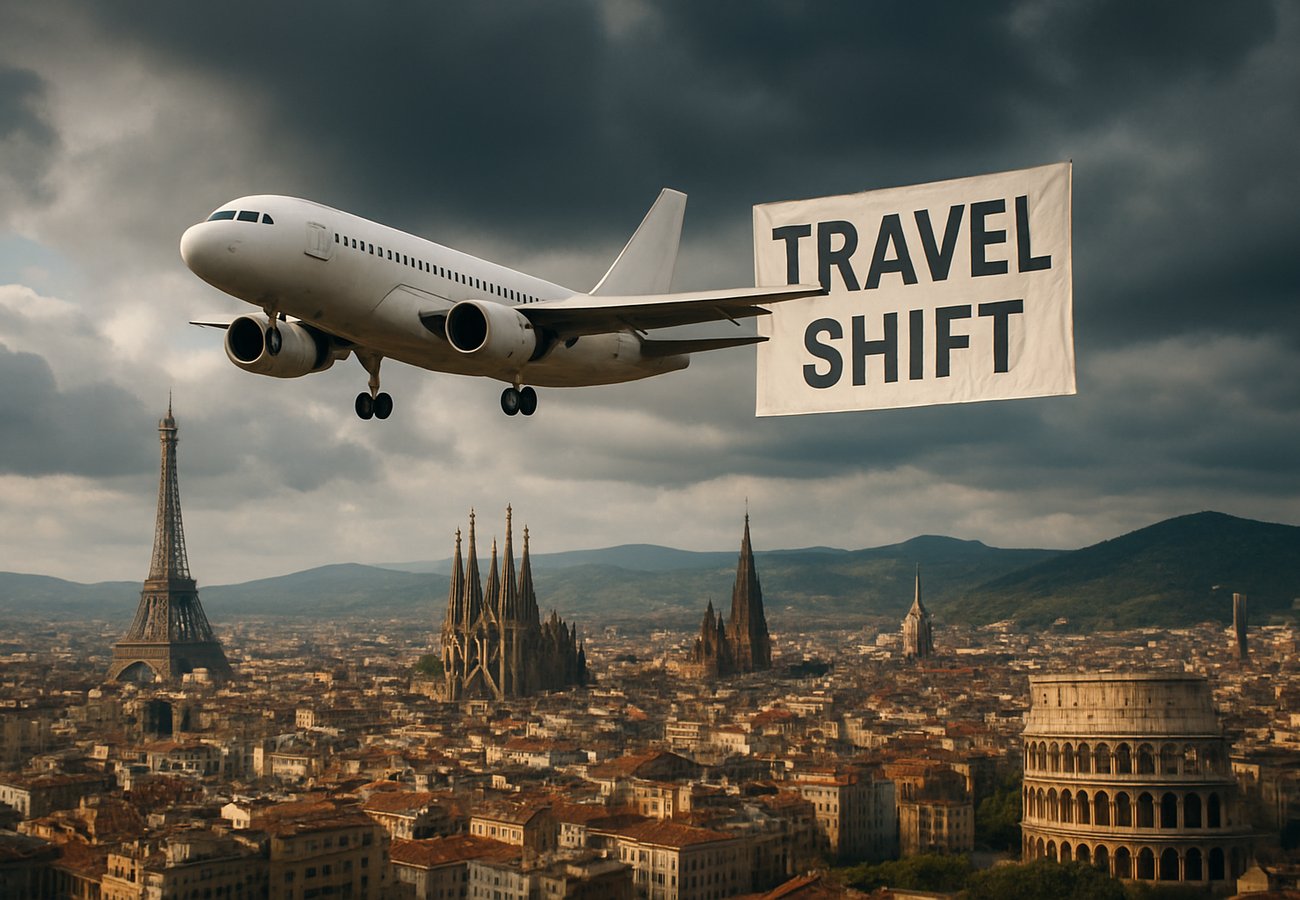
Image generated by AI
- Quick Summary
- Iran crisis tourism in Europe is forcing a geopolitical pivot in Spain, France, Germany, Italy and Eastern Europe.
- Energy price spikes have pushed airlines to raise ticket costs, reshaping 2026 itineraries.
- Spain and Italy brace for migrant pressure while Germany and France boost domestic tourism.
- Safer itineraries now include Poland, Hungary, Baltics, Czechia, Slovakia, Austria and Switzerland.
Europe’s airline travelers are watching carefully as the Iran crisis tourism in Europe discussion skyrockets in headlines. In a span of weeks, the Iran conflict triggered by US and Israeli strikes shifted EU focus from Ukraine to Middle East security, and travel patterns are already changing.
Iran crisis tourism in Europe: the facts travelers need now
Travel editors track a few hard facts. Global energy prices are up, airfares are higher, and migration pressure is growing. EU leaders are now separated over response; Spain is publicly opposing the war, while others press security and economic containment.
- The Iran conflict began with attacks that involve the US and Israel.
- The political line from Brussels moved from Ukraine aid to Middle East risk management.
- Energy price shock is making intra-Europe travel more expensive, especially for airlines with long-haul fleet fuel burn.
- Migrant projections are rising, pushing border controls.
Why Spain and Italy are headline names again
Spain, Italy and southern Europe are being mentioned in the same breath as cultural boom and migrant concern. Spanish officials openly oppose escalation, and Italian authorities are planning new contingency for displaced people from conflict zones.
A full news round from March 2026 shows:
- Spain has a strong anti-war stance, which could resonate with cautious international tourists.
- Italy is preparing for a possible migrant surge that could intersect with summer festival season.
- Both countries are balancing local economic reliance on visitor spending with safety messaging.
Airline operational shifts: fuel, costs, and routes
Jet fuel and kerosene prices are a direct tie between politics and booking screens.
- Airlines report that higher energy costs have driven ticket price increases, reducing appeal for budget travelers to traditional Mediterranean resorts.
- In response, some carriers are prioritizing non-Middle East routings while monitoring the opening status of three major European hubs.
Which routes are becoming less popular
- Mediterranean summers (Spain, Italy, Greece) face inquiries declining as safety concerns rise.
- Some European carriers reroute flights to avoid airspace near conflict zones.
- Northern and Eastern Europe sees a bump in short-haul demand.
Geopolitical effects on EU tourism policy and visa rules
EU tourism policy has had a fast and visible adjustment.
- Southern EU states increase border checks citing migrant management.
- Germany and France allocate budget to domestic tourism promotion.
- Central/Eastern blocs prepare softer messaging to attract EU leisure travelers.
EU visa policy watch list
Germany and France are already working with national tourism boards to keep locals exploring home markets.
- France expands campaigns around heritage landmarks to maintain inbound tourism interest.
- Germany offers weekend rail + short stay packages that avoid expensive air travel.
Practical traveler advice amid the Iran crisis tourism in Europe update
Travelers now need a simple checklist:
- Check the latest travel alerts from your embassy and EU’s ECDC advisories.
- Book airline tickets early; fare increases are already written into many March 2026 timetables.
- Buy flexible travel insurance covering political or security-related cancellations.
Safe alternatives for the wary traveler
When concerns are high, the reference article says many are looking at:
- Poland, Hungary and the Baltic states for lower perceived risk.
- Czechia and Slovakia for affordable Central Europe stays.
- Austria and Switzerland for nature-based wellness travel and outdoor escape from geopolitical headlines.
Key Facts / Highlights
- Iran crisis is taking EU attention away from Ukraine and re-shaping the 2026 tourism agenda.
- Energy price spike is raising airline ticket prices across Spain, Italy, Germany and France.
- Spain and Italy are preparing for migrant pressure; Germany and France boost domestic travel plans.
- Northern and Eastern Europe demand increases, while Mediterranean trip inquiries soften.
- Eco-tourism and wellness packages in Austria and Switzerland are fast-growing safety-focused trends.
What this means for travelers
For anyone planning Europe in 2026, the message is clear: adapt and diversify. That means building a multi-destination plan with longer stays in stable hubs, not relying only on Spain or Italy in peak season.
- If you had a summer Barcelona or Rome plan, get flexible date options.
- Consider splitting your itinerary with a safety-first region like Vienna or Prague.
- Include a buffer day for flight schedule uncertainty due to regional airline adjustments.
Europe’s tourism resilience playbook
Country-by-country resilience strategies may help your planning:
- Spain is launching cultural campaigns to win back reservations and control message around the Iran crisis tourism in Europe impact.
- France is leaning on UNESCO landmarks and domestic traveler vouchers.
- Germany incentivizes local trips to cushion potential international visitor declines.
- Czechia/Slovakia aim their marketing at price-sensitive European families.
What experts are advising
Travel advisors recommend using 2026 as a year to explore smaller markets while large festival cities stabilize.
- Keep documents updated: passport, visas, ETIAS (for non-EU visitors) and Germany/France local tax changes.
- Monitor fuel price-related fare updates from carriers serving Athens, Barcelona, and Rome.
Conclusion: a smarter airline travel plan in 2026
The Iran crisis tourism in Europe disruption is real, but it also sharpens the traveler advantage. By choosing stable Eastern and Northern European alternatives, buying flexible tickets, and checking travel advisories, you can turn this moment into a safe, rewarding European journey.
CTA: Bookmark this story, sign up for airline fare alerts, and plan at least one alternative destination beyond the Mediterranean for your next trip.
FAQs
1. Is it safe to visit Spain and Italy now?
Yes, most regions remain open for tourists, but check flight routes and local advisories. Plan with flexible hotels and keep an eye on any sudden policy shifts tied to migration and energy cost pressure.
2. How does Iran crisis influence airline ticket prices in Europe?
The conflict pushed fuel costs higher, and carriers are passing this into higher tickets for long-haul and Mediterranean-connected flights. Booking early and avoiding last-minute summer travel helps manage prices.
3. Which European destinations are best for low-risk travel right now?
Poland, Hungary, the Baltics, Czechia, Slovakia, Austria, and Switzerland are currently preferred by risk-averse travelers, thanks to stable local conditions and lower perceived instability.
4. Should I get travel insurance for a Europe trip in 2026?
Absolutely. Pick a policy that covers political unrest, flight disruption, and cancellations tied to energy crises or migration-related restrictions.
5. What is a good backup plan if my Mediterranean hotel or flight is canceled?
Have a plan B city (e.g., Budapest or Vienna), a secondary airport option, and pre-booked flexible rail/eco-tours to reduce stress and maximize value.
Disclaimer
This article is for informational and educational purposes only. It does not constitute legal, financial, or professional advice. While we strive to provide accurate and up-to-date information, travel policies, regulations, and conditions change rapidly. Always verify information with official sources before making travel decisions. Nomad Lawyer makes no representations about the accuracy, reliability, completeness, or suitability of the information provided. Readers should consult qualified professionals for advice specific to their circumstances. The views expressed in this article are those of the author and do not necessarily reflect the views of Nomad Lawyer.
Preeti Gunjan
Contributor & Community Manager
A passionate traveller and community builder. Preeti helps grow the Nomad Lawyer community, fostering engagement and bringing the reader experience to life.
Learn more about our team →