
Aviation Fleets: Poland and Finland Expand NATO F-35 Program Integration
Poland and Finland expand their air defense fleets, selecting the Lockheed Martin F-35 Lightning II to replace legacy Soviet-era fighter jets.

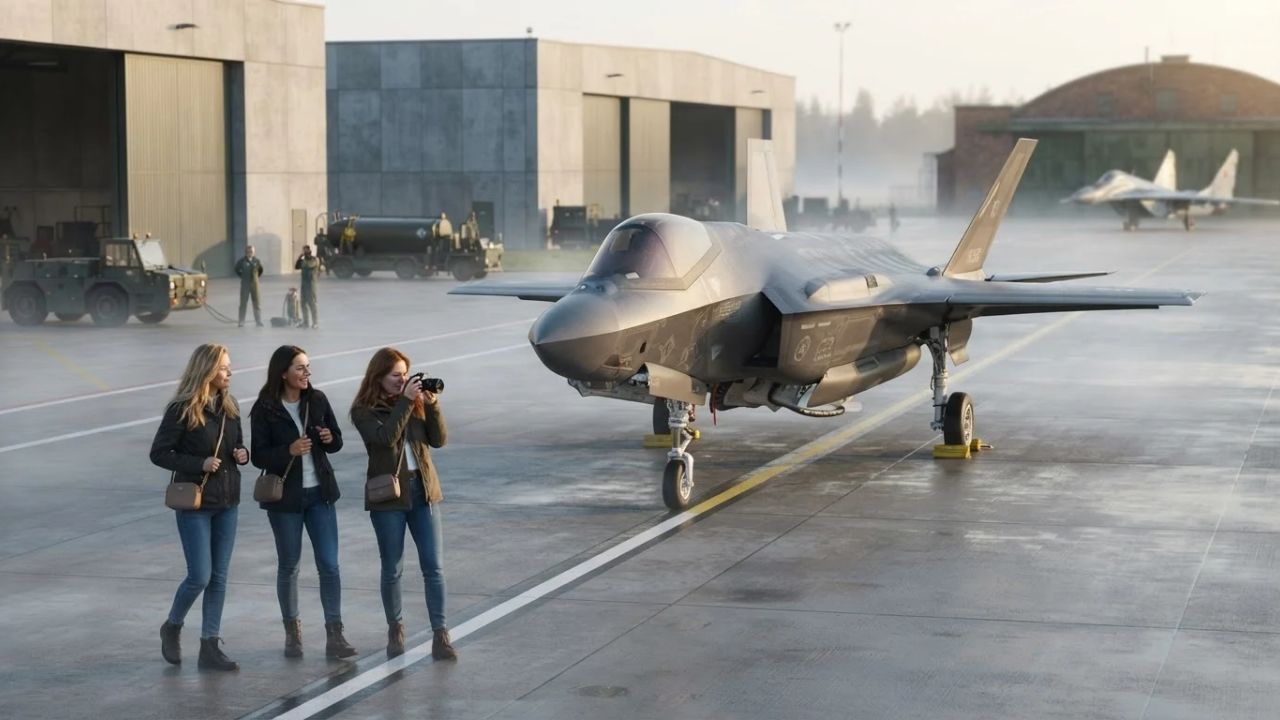
Image generated by AI
Poland and Finland expand their air defense fleets, selecting the Lockheed Martin F-35 Lightning II to replace legacy Soviet-era fighter jets. The Polish Ministry of National Defence indicates that buying advanced stealth aircraft coordinates regional fleet modernization, supporting allied interoperability across NATO's eastern corridor.
The Transition of National Fleets to Integrated Allied Ecosystems
A significant trend in global aerospace planning is the transition of national combat aircraft fleets into integrated allied ecosystems. Historically, independent defense ministries purchased aircraft based solely on unit pricing and local maintenance capability, leading to fragmented pilot training and incompatible communication networks. In 2026, the rise of fifth-generation sensor fusion and joint database platforms encourages sovereign states to select aircraft that align with regional treaty networks, treating pilot training and maintenance systems as shared allied assets.
By coordinating fleet acquisitions with multinational support networks, governments reduce long-term parts procurement costs. This ecosystem-focused purchasing model benefits domestic manufacturing partners, specialized systems technicians, and regional aerospace training centers.
Global Aerospace Sourcing and Fleet Selections
Nations across Europe, Asia, and Africa are implementing distinct fleet strategies to modernize their air wings:
- Poland NATO Integration: Warsaw selected the F-35 Lightning II to replace Soviet-designed MiG-29 and Su-22 aircraft, accelerating fleet modernization following regional security changes.
- Finland Fleet Modernization: After joining NATO, Finland selected the F-35 to replace its aging F/A-18 fleet, integrating its defense networks with northern European allies.
- Algeria Sukhoi Program: Maintains traditional military ties with Moscow, serving as the first confirmed export customer with a plan to acquire 14 Su-57 fighters.
- Indonesia Rafale Transition: Jakarta canceled earlier Russian Su-35 procurement ambitions in favor of France's Dassault Rafale, avoiding potential CAATSA sanctions.
- Egypt Multi-Source Fleet: Operates a mixed fleet of American and French platforms, expanding its Rafale inventory to avoid single-supplier dependence.
- Malaysia Light Combat Buy: Selected South Korea’s KAI FA-50 Fighting Eagle to secure lower operating costs and faster delivery timelines.
- Serbia European Integration: Historically reliant on Russian aircraft, Belgrade signed a deal for French Rafale jets to support its European integration goals.
- Other Markets: Vietnam and Bangladesh are similarly exploring Western options (such as F-16 engagement) to update their defense capabilities.
These selections demonstrate how geopolitical alliances shape the international aerospace market.
Global Combat Aircraft Fleet and Sourcing Coordinates
The table below breaks down the procurement nations, selected aircraft models, legacy platforms replaced, primary sourcing drivers, regional partners, and coordinating authorities recorded on August 24, 2026:
| Procurement Nation | Selected Aircraft Model | Legacy Platform Replaced | Primary Sourcing Driver | Regional Partner | Coordinating Authority |
|---|---|---|---|---|---|
| Poland | F-35 Lightning II | MiG-29 & Su-22 | NATO Interoperability | Lockheed Martin Corp | Min of National Defence |
| Finland | F-35 Lightning II | F/A-18 Hornet fleet | Alliance integration | Finnish Air Force Cmd | NATO Allied Air Command |
| Algeria | Sukhoi Su-57 | MiG & Sukhoi legacy | 14 Su-57 fighters plan | Russian Export Board | Algerian Air Force Division |
| Indonesia | Dassault Rafale | Russian Su-35 plans | Sanctions avoidance | Dassault Aviation Group | Indonesian Defence Office |
| Malaysia | KAI FA-50 Eagle | Russian Su-30MKM | Operational cost balance | Korea Aerospace Industry | Malaysian Ministry of Defence |
These coordinates outline the nations, models, legacy platforms, drivers, partners, and authorities established for the fleet programs.
Resource Stewardship and Eco-Aware Fleet Operations
For the aviation sector, the benefit of implementing advanced synthetic flight simulators in pilot training programs is the reduction in fuel consumption and carbon emissions during training hours. Designing maintenance hangars that utilize energy-efficient climate control systems minimizes the carbon footprint of ground operations.
Additionally, recycling composite materials and metal alloys during aircraft maintenance cycles supports sustainable manufacturing practices. Sourcing components from domestic manufacturers reduces transport emissions associated with international supply chains.
For comparison, you can explore the changing dynamics of Farnborough Airshow Aviation Innovation 2026 to see how manufacturers promote regional connectivity. For transit updates, comparing flight scheduling matches other networks, such as Trinity Airways Tway Air Rebrand Strategy updates. This trend is similar to the tourism growth seen in other destinations, as detailed in our guide on the Hacienda Heights Bus Fire Transport Safety regulations.
Aviation Analyst Insider Tips: Understanding Procurement Shifts
If you are tracking international aviation fleet movements, keep these analytical pointers in mind:
- Monitor NATO Integration Timelines: Track how Poland and Finland align their joint training centers, as F-35 integration requires shared digital infrastructure.
- Analyze CAATSA Sanctions Impact: Watch how countries like Indonesia adjust their buying patterns, as US export regulations heavily influence non-aligned nations.
- Differentiate Between Light and Heavy Fighters: Note that Malaysia's KAI FA-50 purchase represents a shift toward lower-cost light combat aircraft for regional patrols.
- Follow Algerian Delivery Schedules: Monitor the delivery dates of the planned 14 Su-57 fighters to Algeria, as this program serves as the primary export test for Russia.
- Review Supplier Diversity Metrics: Study Egypt's multi-source acquisition strategy to understand how countries balance French Rafale and American F-15 fleets.
Long-Term Outlook for Global Defense Aviation
The long-term outlook for aviation fleet transit is focused on building collaborative maintenance depots across Europe, introducing hybrid-synthetic fuels in flight operations, and developing autonomous unmanned support platforms. As regional security requirements continue to shift, defense aviation boards and manufacturer groups will cooperate to maintain passenger standards.
By developing sustainable transit options and protecting joint logistics networks, the aviation sector aims to build a sustainable transport network.
FAQ
Which aircraft did Poland select to replace its legacy fleet?
Poland selected the Lockheed Martin F-35 Lightning II to replace its Soviet-era MiG-29 and Su-22 aircraft.
How many Su-57 fighters does Algeria plan to acquire?
Algeria has a reported plan to acquire 14 Su-57 fighters from Russia, making it the first confirmed international export customer for the platform.
Why did Indonesia select the French Rafale over Russian aircraft?
Indonesia shifted its procurement toward the Dassault Rafale to secure advanced Western systems and avoid potential US sanctions under CAATSA.
What aircraft will Finland replace with the F-35?
Finland is replacing its aging fleet of Boeing F/A-18 Hornets with the F-35 Lightning II.
Stay updated on regional aviation regulations and fleet modernization campaigns shaping global transit.
Related Travel Guides
Disclaimer
This article is for informational and educational purposes only. It does not constitute legal, financial, or professional advice. While we strive to provide accurate and up-to-date information, travel policies, regulations, and conditions change rapidly. Always verify information with official sources before making travel decisions. Nomad Lawyer makes no representations about the accuracy, reliability, completeness, or suitability of the information provided. Readers should consult qualified professionals for advice specific to their circumstances. The views expressed in this article are those of the author and do not necessarily reflect the views of Nomad Lawyer.
Raushan Kumar
Founder & Lead Developer
Full-stack developer with 11+ years of experience and a passionate traveller. Raushan built Nomad Lawyer from the ground up with a vision to create the best travel and law experience on the web.
Learn more about our team →