
Papua New Guinea Marine Protected Area: 200,000 sq km Ocean Sanctuary Launches in 2026
Papua New Guinea establishes Western Manus Marine Protected Area covering 200,000 sq km in the Coral Triangle in 2026, protecting sharks, whales, and coral reefs while advancing global ocean conservation targets.

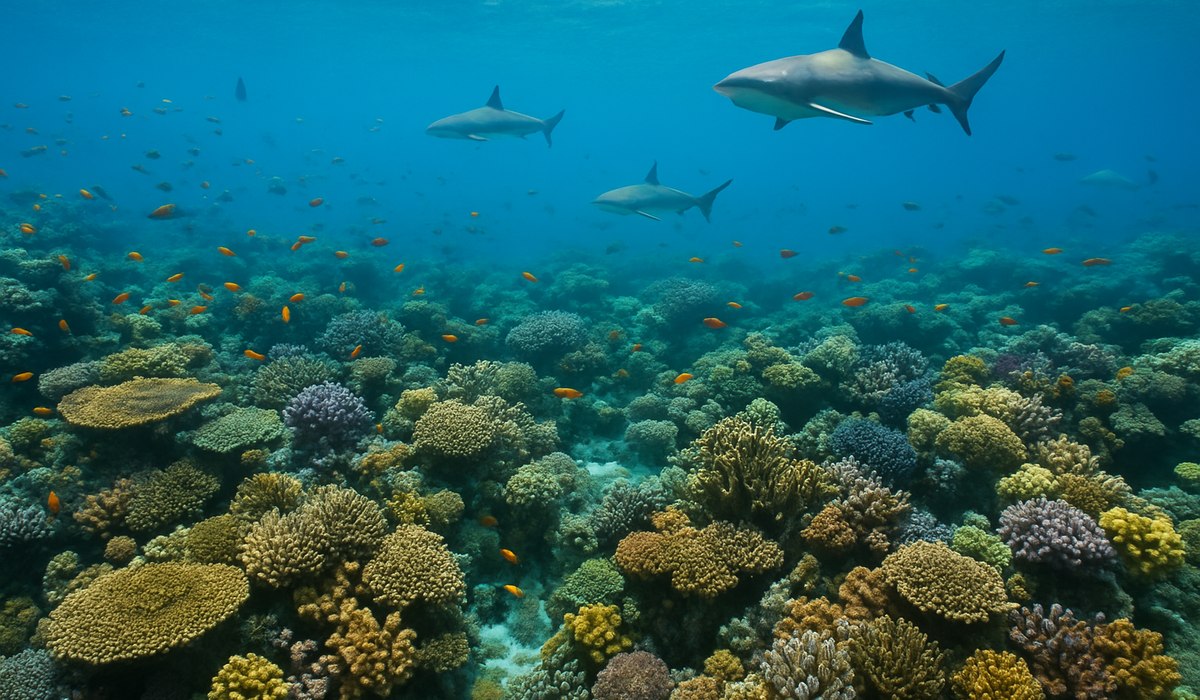
Image generated by AI
A Marine Sanctuary the Size of the United Kingdom
Papua New Guinea has officially launched the Western Manus Marine Protected Area, establishing one of the world's largest ocean conservation zones spanning nearly 200,000 square kilometers in the heart of the Coral Triangle. This no-take sanctuary represents a watershed moment for marine ecosystem protection, creating an underwater refuge where extractive activities are prohibited to allow marine populations to recover naturally. The designation protects critical breeding grounds and migration corridors for pelagic species while safeguarding some of Earth's most biodiverse coral reef systems. The Papua New Guinea marine protected area represents a significant commitment to reversing ocean degradation in one of the planet's most ecologically valuable regions.
Protecting the Coral Triangle's Biodiversity
The Coral Triangle, spanning Indonesia, Malaysia, Papua New Guinea, Philippines, Timor-Leste, and Brunei, harbors approximately 75 percent of global coral species and supports the livelihoods of over 120 million people. The Western Manus zone specifically shields critical habitats for endangered shark populations, including hammerheads and wobbegongs, alongside humpback whales that migrate through these nutrient-rich waters seasonally. Tuna nurseries benefit from protection during vulnerable juvenile stages, ultimately supporting regional fisheries beyond protected boundaries. The Papua New Guinea marine protected area designation also encompasses seamounts and deep-water ecosystems rarely studied but essential for maintaining oceanic nutrient cycles. Local communities collaborated with conservation organizations to ensure the designation balanced environmental protection with sustainable livelihood opportunities.
For context on coral reef conservation globally, the Global Coral Triangle Initiative provides comprehensive data on regional marine protection efforts and biodiversity metrics.
Impact on Tourism and Local Communities
Responsible marine tourism experiences within designated sustainable zones offer opportunities for visitors to witness pristine coral ecosystems and marine megafauna while contributing economically to coastal communities. The Papua New Guinea marine protected area creates incentives for eco-tourism development, including guided diving expeditions, whale-watching tours, and snorkeling adventures in designated tourism corridors adjacent to no-take zones. Local fishermen transition toward community-based tourism enterprises, shifting from extraction-dependent economies to conservation-stewardship models that generate higher per-capita income. Indigenous knowledge holders gain recognition as ecosystem experts, leading cultural tourism programs that educate visitors about traditional ocean management practices. These shifts require capacity-building investments and government support to ensure equitable benefit distribution across fishing villages and coastal settlements.
The Papua New Guinea Tourism Board provides current information about sustainable tourism initiatives and visitor guidelines at papuanewguinea.travel.
PNG's Role in Global Conservation Goals
Papua New Guinea's commitment to the 30x30 initiative—protecting 30 percent of global ocean territory by 2030—positions the nation as a regional leader in climate action and biodiversity preservation. The Western Manus Marine Protected Area contributes substantially toward achieving this international target while demonstrating that developing nations can balance conservation with economic development. The designation aligns with United Nations Sustainable Development Goals, particularly those addressing marine life protection and climate resilience. PNG's leadership influences neighboring countries to accelerate their own marine protection policies, creating potential for transnational conservation corridors. The Papua New Guinea marine protected area serves as a demonstration model for how science-based spatial planning can protect ecosystem services while supporting human communities dependent on ocean resources.
Explore broader conservation commitments through TripAdvisor's sustainability travel guides, which profile destinations advancing ocean protection.
Best Time to Visit
Optimal diving and marine wildlife viewing periods align with Papua New Guinea's dry season, spanning May through October when visibility reaches 25-40 meters and sea conditions remain calm. Humpback whale migrations peak from June through August, offering exceptional opportunities for marine mammal observation in northern waters. Coral spawning events occur seasonally following full moons, creating spectacular natural phenomena visible during designated tourism windows. October marks the shoulder season with warming temperatures and increasing cloud cover, though visibility remains excellent for experienced divers. Avoid November through April when heavy tropical rains increase runoff, reduce visibility, and elevate cyclone risk along the northern coast.
How to Get There
Port Moresby International Airport (Jackson's International) serves as the primary gateway to Papua New Guinea, with direct flights from Brisbane, Sydney, and other Asia-Pacific hubs. Regional airlines operate daily service from Port Moresby to Manus Province, with flight duration approximately two hours. Several operators provide charter yacht services from Manus Province directly to diving sites and designated tourism zones within the Western Manus area. Visitors require valid passports with at least six months validity and should verify current visa requirements with the Papua New Guinea High Commission before departure. Accommodation ranges from eco-lodge properties operated by conservation organizations to live-aboard diving vessels equipped for extended expeditions within protected boundaries.
Key Data Table
| Metric | Details |
|---|---|
| Protected Area Size | 200,000 sq km (equivalent to United Kingdom landmass) |
| Location | Western Manus, Coral Triangle, Papua New Guinea |
| Shark Species Protected | Hammerheads, wobbegongs, reef sharks, sawfish |
| Marine Mammal Species | Humpback whales, spinner dolphins, sperm whales |
| Coral Species Coverage | Approximately 75% of global coral biodiversity in Coral Triangle |
| Fishing Community Beneficiaries | 15,000+ coastal residents transitioning to eco-tourism |
| Global Target Alignment | 30x30 international ocean protection initiative |
| Tourism Zones | Designated sustainable viewing corridors with capacity limits |
| No-Take Zone Percentage | 100% extraction prohibition in core marine protected area |
| Year Established | 2026 |
What This Means for Travelers
-
Conservation-Aligned Itineraries: Plan trips through established tourism operators accredited by PNG environmental authorities, ensuring visitor spending directly supports marine protection initiatives and local conservation employment.
-
Unique Marine Experiences: Access unprecedented opportunities to observe endangered shark populations and migrating whale species in their natural state, with guided expeditions led by Indigenous knowledge keepers and marine biologists.
-
Sustainable Accommodation Choices: Select eco-lodge properties and conservation-focused operators that maintain low environmental footprints, employ renewable energy systems, and contribute tourism revenue to local marine protection funds.
-
Responsible Diving Practices: Follow strict protocols including no-touch reef practices, limited group sizes, and designated anchor points to prevent physical damage to coral ecosystems during underwater exploration.
-
Educational Travel Contributions: Participate in citizen science initiatives that collect data on marine biodiversity, supporting ongoing research programs while deepening your understanding of ocean conservation.
Frequently Asked Questions
Is the Papua New Guinea marine protected area open to tourists?
Yes, designated sustainable tourism corridors accommodate visitors within specific zones. Core no-take areas remain restricted to scientific research and Indigenous activities. Licensed tour operators manage visitor access through capacity-limited permits and guided expeditions coordinated with conservation authorities.
What marine species will I encounter in Western Manus?
Expect encounters with diverse shark species, giant manta rays, groupers, snappers, and parrotfish on coral reefs. Humpback whales migrate seasonally, while dolphins, sea turtles, and occasionally sperm whales appear in deeper waters. Specific sightings depend on season and location within the protected area.
How much does a trip to the Papua New Guinea marine protected area cost?
Multi-day diving expeditions range from USD 2,500 to 6,000 per person depending on vessel quality
Disclaimer
This article is for informational and educational purposes only. It does not constitute legal, financial, or professional advice. While we strive to provide accurate and up-to-date information, travel policies, regulations, and conditions change rapidly. Always verify information with official sources before making travel decisions. Nomad Lawyer makes no representations about the accuracy, reliability, completeness, or suitability of the information provided. Readers should consult qualified professionals for advice specific to their circumstances. The views expressed in this article are those of the author and do not necessarily reflect the views of Nomad Lawyer.
Raushan Kumar
Founder & Lead Developer
Full-stack developer with 11+ years of experience and a passionate traveller. Raushan built Nomad Lawyer from the ground up with a vision to create the best travel and law experience on the web.
Learn more about our team →