
Pilots Hard Landing Aircraft: When Safety Trumps Smooth Touchdowns
Airline pilots hard landing aircraft intentionally in 2026 when safety conditions demand firm touchdowns over smooth arrivals. Learn why deliberate hard landings protect passengers and why carriers prioritize runway safety protocols.

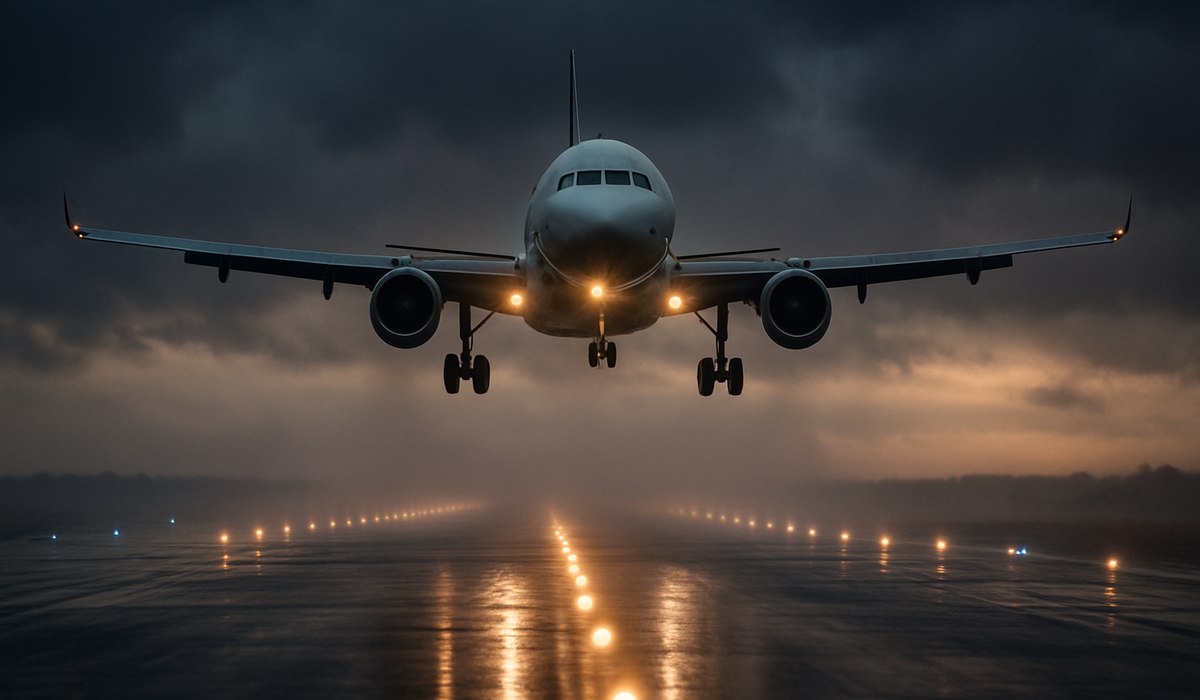
Image generated by AI
The Reality of Intentional Hard Landings
Pilots hard landing aircraft deliberately ranks among aviation's most misunderstood safety practices. Passengers boarding commercial flights expect the coveted "butter landing"—that near-imperceptible touchdown that barely registers as contact with the runway. Yet modern airline operations and FAA safety protocols reveal a counterintuitive truth: sometimes the safest approach means accepting a firmer, more noticeable descent. Commercial carriers across major hub airports in 2026 train their crews to prioritize runway safety and aircraft control over the smooth arrivals that frequent flyers celebrate on social media.
The distinction matters enormously for passenger safety. When pilots hard landing aircraft on purpose, they're executing trained emergency protocols refined through decades of aviation safety data. This approach addresses weather challenges, runway limitations, and aircraft weight distributions that demand different handling than ideal-conditions landings.
The Myth of the Perfect Soft Landing
Aviation enthusiasts celebrate videos of "butter landings" across social networks, but this cultural obsession overlooks fundamental aerodynamic reality. A soft landing requires specific conditions: calm winds, adequate runway length, optimal aircraft weight distribution, and stable approach parameters. When any variable changes, pursuing that perfect touchdown becomes riskier than accepting a controlled, firmer landing.
The FAA and international aviation authorities recognize that passengers' comfort expectations sometimes conflict with operational safety. Commercial carriers operating from congested airports—including major hubs serving millions annually—regularly encounter situations where soft landings aren't possible without compromising safety margins. Runway contamination from water, snow, or debris significantly reduces braking effectiveness, making softer approaches actively dangerous. Pilots must adjust their descent rate and touchdown point accordingly, resulting in what passengers perceive as a "hard landing" but what professionals recognize as proper technique.
Airlines invest substantial training resources teaching pilots when to abandon the soft-landing goal. This represents a significant shift from passenger expectations, yet it reflects modern aviation's evolution toward prioritizing safety over perceived comfort.
When Hard Landings Are the Safer Choice
Several operational scenarios demand that pilots hard landing aircraft becomes the appropriate response. Strong crosswinds require firmer contact with the runway to maximize tire and landing gear friction, ensuring directional control. Runways contaminated with standing water necessitate harder touchdowns that break through the water layer—a technique called aquaplaning prevention—rather than skimming across it.
Time-critical approaches also influence landing firmness. When aircraft require rapid descent due to weather deterioration, medical emergencies, or fuel constraints, pilots may intentionally steepen their descent angle and accept a firmer touchdown. The alternative—circling repeatedly to achieve a gentle landing—creates safety risks that outweigh passenger comfort concerns.
Short-runway operations at regional airports force pilots to land hard deliberately. Maximizing braking effectiveness from the touchdown point forward consumes precious runway length. A softer landing that reduces initial contact force actually increases stopping distance, potentially threatening runway overrun scenarios. Major carriers operating regional routes understand this physics-based reality and train accordingly.
Consult the FAA's official runway safety guidelines for regulatory context on landing procedures and emergency protocols. The agency's publications clarify that hard landings, when executed properly, represent compliance with safety standards rather than pilot error.
Weather, Runway Length, and Emergency Protocols
Environmental conditions dramatically shift landing strategies across commercial aviation. Wet runways reduce braking coefficient significantly—sometimes by 40% or more—requiring pilots to land hard to maximize friction during deceleration. Winter operations at northern hub airports frequently involve this scenario, particularly during March weather patterns when freeze-thaw cycles complicate runway surface conditions.
Crosswind operations present another critical variable. The FAA establishes maximum crosswind limits for aircraft types, but even within those limits, windier conditions require firmer landings for directional stability. Coastal airports and high-altitude facilities regularly experience wind conditions demanding adjusted landing techniques.
Runway length constraints at regional facilities dictate landing approach physics. An aircraft requiring 5,000 feet of runway to stop with a soft landing but only 4,200 feet available has no choice. Pilots must land hard—maximizing braking from touchdown—to fit the aircraft within available runway space safely.
Emergency situations further illustrate when smooth landings become inappropriate priorities. Aircraft with hydraulic compromises, structural damage, or system failures may require firm, direct landings that minimize time-in-air and complexity. Medical emergencies aboard demand rapid descent and expedited landing, often resulting in noticeably firm touchdowns.
Check FlightAware's real-time data to track specific aircraft and observe actual landing approaches at major airports, providing real-world context for these operational decisions.
What Passengers Should Know About Firm Touchdowns
Commercial airline passengers experience firm landings occasionally, yet many misinterpret them as pilot error or aircraft problems. Understanding the operational context transforms anxiety into informed perspective. Airlines train pilots extensively in landing technique, with emphasis on adapting procedures to actual conditions rather than pursuing idealized textbook approaches.
Modern aircraft design accounts for firm landings. Landing gear systems withstand thousands of "hard" landings throughout an aircraft's service life. The G-forces from a properly executed firm landing typically measure 1.5 to 2.5 Gs—well within aircraft design parameters and comparable to moderate turbulence passengers regularly experience in cruise.
Airlines maintain detailed records of every landing, including descent rate data. Pilots who consistently land outside acceptable parameters receive additional training. This safety-focused culture means that firm landings passengers feel actually represent controlled, within-standards procedures rather than dangerous approaches.
The noise and feeling passengers associate with firm landings often reflects normal operations. Tire contact sounds amplified through fuselage structure, landing gear settling into position, and air brake systems deploying create sensory experiences that feel more dramatic than the actual physical forces involved.
Frequent travelers should recognize firm landings as evidence of proper pilot technique under challenging conditions rather than concerning incidents. Conversely, excessively soft landings under poor conditions—prioritizing passenger comfort over safety margins—represent the actual risk scenario.
Traveler Action Checklist
-
Review weather and runway conditions before your flight through flight tracking services. Understanding why your pilot executed a firm landing requires knowing what they managed operationally.
-
Trust your captain's landing approach without anxiety. Modern pilots receive extensive training in conditional landing techniques, and firm landings indicate protocol compliance rather than emergency situations.
-
Request landing approach information from flight crew if you're anxious about flights. Explaining why landing conditions required firmness helps passengers contextualize their experience.
-
Track your aircraft specifications on FlightAware or similar services to understand runway requirements and aircraft limitations affecting landing technique.
-
Consult the FAA consumer pages about aviation safety if you experience concerning flights. Understanding regulatory frameworks clarifies why certain landing approaches are required.
-
File formal concerns with your airline only if you observe unsafe practices, distinct from firm but controlled landings under challenging conditions.
-
Report actual safety concerns to the FAA through US Department of Transportation channels rather than assuming firm landings indicate problems.
FAQ
Why do pilots hard landing aircraft when conditions seem calm? Runway surface conditions aren't always visible from the air. Standing water, contamination, or reduced friction coefficients require firmer contact with the runway regardless of visible weather. Pilots receive ground reports about runway conditions and adjust landing approach accordingly.
Can firm landings damage aircraft or injure passengers? Properly executed firm landings fall well within aircraft design parameters. Modern landing gear and structural engineering accommodate thousands of such landings throughout an aircraft's service life. Passenger injury risk from firm landings is negligible compared to actual accident risks.
How do pilots decide when to land hard versus soft? Pilots receive briefings about runway conditions, weather, wind, and aircraft weight before descent. They assess these factors continuously during approach and adjust landing technique to optimize safety. Descent rate, touchdown point, and landing gear timing all adjust based on real-time conditions.
Disclaimer
This article is for informational and educational purposes only. It does not constitute legal, financial, or professional advice. While we strive to provide accurate and up-to-date information, travel policies, regulations, and conditions change rapidly. Always verify information with official sources before making travel decisions. Nomad Lawyer makes no representations about the accuracy, reliability, completeness, or suitability of the information provided. Readers should consult qualified professionals for advice specific to their circumstances. The views expressed in this article are those of the author and do not necessarily reflect the views of Nomad Lawyer.
Raushan Kumar
Founder & Lead Developer
Full-stack developer with 11+ years of experience and a passionate traveller. Raushan built Nomad Lawyer from the ground up with a vision to create the best travel and law experience on the web.
Learn more about our team →