
Pilot Shortage Still Real in 2026: What Airlines Are Actually Doing
The pilot shortage still affects global airlines in 2026 as retirements accelerate and training costs soar. Learn what real solutions are emerging to address the crisis.

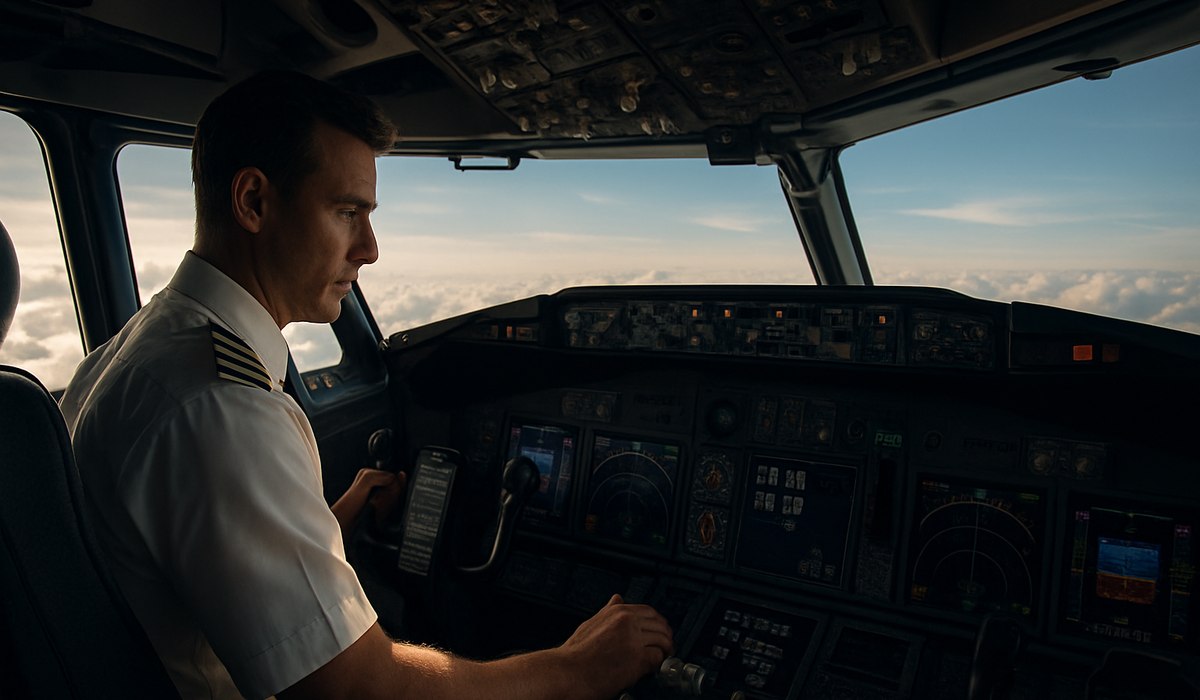
Image generated by AI
The Pilot Shortage Still Plagues Global Aviation in 2026
Airlines worldwide continue battling a critical pilot shortage that shows no signs of immediate resolution heading into 2026. Major carriers across North America, Europe, and Asia-Pacific regions report unfilled cockpit positions affecting flight schedules and route expansions. The shortage stems from a perfect storm of mandatory retirement ages, expensive training requirements, and accelerating workforce departures. Industry experts confirm this pilot shortage still represents one of aviation's most pressing operational challenges, yet concrete solutions are finally gaining traction.
The 2026 Pilot Shortage: Numbers and Reality
The numbers paint a sobering picture for the aviation industry. According to industry analysts, the global pilot shortage is expected to peak at over 12,000 unfilled positions by mid-2026. Major U.S. carriers alone have reported backlogs of 2,000-3,000 pilot positions across their fleets. Regional airlines suffer disproportionately, with some operators reducing frequencies on smaller routes due to insufficient crew availability.
The pilot shortage still impacts flight schedules more severely during peak travel seasons. Summer 2026 capacity constraints forced several airlines to consolidate routes or implement selective flight reductions. International carriers report similar pressures, particularly on transatlantic and transpacific routes requiring specialized crew certifications. The shortage has become measurable in operational metrics: delayed departures, cancelled regional services, and higher airline operating costs.
Why Airlines Lose Pilots Faster Than They Hire
Mandatory retirement age remains the primary driver of accelerating departures. U.S. commercial pilots must retire at age 65, creating a demographic cliff as post-9/11 hiring cohorts reached retirement eligibility. Airlines face losing experienced captains faster than they can develop new ones through multi-year training pipelines.
Training costs constitute another major barrier. Obtaining a commercial pilot license requires 1,500+ flight hours and costs $200,000-$300,000 per candidate. Many training organizations expanded capacity throughout 2024-2025, but pipeline delays persist. Aspiring pilots often pursue careers in less demanding fields with lower entry costs.
Compensation pressures compound these challenges. While pilot salaries have improved, early-career first officers still earn modest wages relative to training investments. Regional airline contracts offer limited advancement certainty, discouraging younger professionals from entering the profession. The pilot shortage still reflects this economic imbalance between career investment and immediate financial returns.
Industry Solutions Currently in Motion
Airlines and training organizations are implementing multifaceted strategies to address the pilot shortage still affecting operations. Several carriers have launched accelerated training programs reducing traditional timelines from 36 months to 24 months through compressed scheduling and intensive classroom work.
Partnerships between airlines and flight training academies represent another emerging solution. Carriers including Southwest Airlines and United have established pilot pathway programs guaranteeing employment upon certification completion. These initiatives reduce hiring uncertainty for aspiring pilots while securing workforce pipelines for airlines.
International recruitment has expanded significantly in 2026. Major carriers actively recruit pilots from Canada, Australia, and European nations, offering relocation packages and streamlined visa processes. This strategy addresses localized shortages while distributing talent more efficiently across global networks.
Regulatory modifications have eased some constraints. The FAA increased the mandatory pilot retirement age consideration, though formal implementation remains pending congressional action. Enhanced simulator training acceptance has reduced flight hour requirements for certain certifications, accelerating pipeline throughput without compromising safety standards.
Technology integration represents a longer-term solution. Advanced aircraft automation reduces cockpit workload for certain flight phases, theoretically expanding the qualified pilot pool to include professionals who previously wouldn't meet physical or cognitive requirements. However, these applications remain in early deployment phases.
Impact on Routes, Fares, and Travelers
The pilot shortage still directly affects passenger experience through reduced route availability and higher ticket prices. Regional carriers discontinued seasonal routes lacking sufficient crew, eliminating service to smaller airports in 2026. Passengers on these routes now require connections through hub airports, increasing travel time and friction.
Airfare inflation reflects pilot compensation increases and reduced capacity. Airlines absorbing higher labor costs pass expenses to consumers through base fare increases averaging 6-8% on affected routes. Premium cabin pricing increased more sharply, with business-class fares rising 12-15% on transcontinental routes.
Flight reliability metrics show modest deterioration where pilot staffing remains tight. Schedule completion rates dropped approximately 2-3% on regional routes during peak summer 2026 periods. Cancellation rates increased proportionally, with crew unavailability cited in 15-20% of summer flight cancellations at affected carriers.
Traveler Action Checklist
Navigating the pilot shortage still impacting 2026 travel requires proactive planning:
-
Book direct flights when available – Connections increase exposure to cascading delays when crew substitutions occur.
-
Purchase trip insurance covering airline failures – Shortages increase cancellation probability; comprehensive coverage protects your investment.
-
Monitor crew scheduling updates – Check airline websites 72 hours before departure for crew-related status changes.
-
Arrive earlier for connections – Build buffer time for potential crew delays that might affect subsequent legs.
-
Document all flight disruptions – Retain boarding passes and communication records for compensation claims under DOT regulations.
-
Follow FlightAware tracking – Real-time data shows crew availability issues affecting specific flights.
-
Verify pilot assignment changes – Contact airlines directly if crew substitutions occur within 48 hours of departure.
-
Register for airline alerts – Enable notifications for scheduling modifications affecting your booked flights.
-
Understand passenger rights – Review US DOT guidelines on compensation for crew-related disruptions.
-
Report safety concerns – Use FAA channels if you observe crew fatigue or professionalism issues.
| Metric | 2024 Baseline | 2026 Current | Change |
|---|---|---|---|
| Global Unfilled Pilot Positions | 7,500 | 12,000+ | +60% |
| Average Training Pipeline | 36 months | 24-28 months | -25% |
| Median First Officer Salary (U.S.) | $58,000 | $72,000 | +24% |
| Regional Route Cancellations (% increase) | 1.2% | 3.8% | +216% |
| Transcontinental Ticket Price Increase | 3% | 8% | +167% |
| Airline-Academy Partnership Programs | 4 major | 18+ major | +350% |
What This Means for Travelers
The pilot shortage still remains a tangible factor in 2026 travel planning. Passengers should expect modest delays on regional routes and moderate fare increases on popular transcontinental flights. Summer and holiday periods present elevated disruption risk due to concentrated crew scheduling pressures.
Booking flexibility has become essential. Travelers should maintain open dates when possible and consider off-peak travel windows where crew availability stabilizes. Airlines with robust training programs and international recruitment pipelines typically offer more reliable service through 2026.
Compensation awareness matters significantly. Under DOT regulations, travelers experiencing crew-related flight cancellations qualify for compensation up to $750 depending on flight length and delay duration. Understanding these rights and filing appropriate claims holds airlines accountable while offsetting personal travel costs.
Long-term optimism tempers short-term concerns. Accelerated training programs are expanding pilot supply heading toward 2027-2028. Industry solutions currently in motion show meaningful traction, suggesting meaningful supply-demand rebalancing within 18-24 months. Travelers can anticipate gradual service normalization and fare stabilization as pipeline improvements compound.
FAQ
Does the pilot shortage still affect all airlines equally in 2026?
No—major carriers with established training programs and international recruitment capabilities experience fewer disruptions than regional carriers. Budget airlines often
Disclaimer
This article is for informational and educational purposes only. It does not constitute legal, financial, or professional advice. While we strive to provide accurate and up-to-date information, travel policies, regulations, and conditions change rapidly. Always verify information with official sources before making travel decisions. Nomad Lawyer makes no representations about the accuracy, reliability, completeness, or suitability of the information provided. Readers should consult qualified professionals for advice specific to their circumstances. The views expressed in this article are those of the author and do not necessarily reflect the views of Nomad Lawyer.
Kunal K Choudhary
Co-Founder & Contributor
A passionate traveller and tech enthusiast. Kunal contributes to the vision and growth of Nomad Lawyer, bringing fresh perspectives and driving the community forward.
Learn more about our team →