
Boeing 747-400 Heavy Aircraft: How Weight Classification Reshapes Global Airport Operations
The Boeing 747-400 heavy aircraft, with its 875,000-pound maximum takeoff weight, fundamentally alters air traffic control protocols and runway spacing worldwide in 2026. Discover how weight classification affects your travel experience.

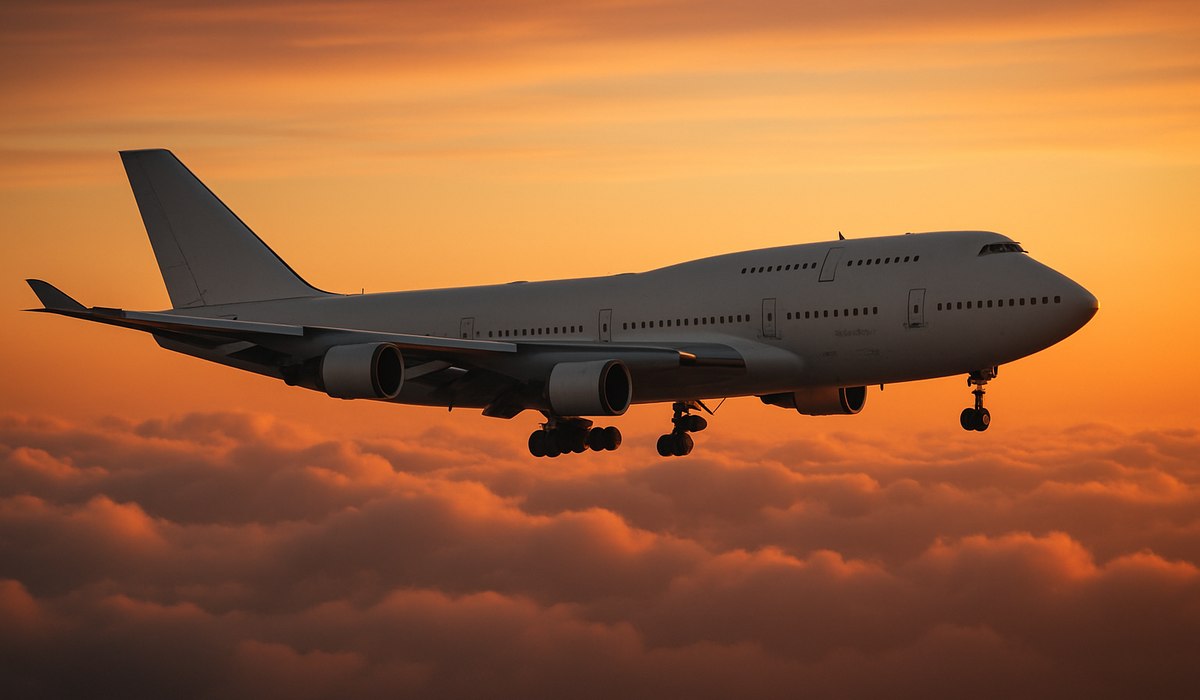
Image generated by AI
The Boeing 747-400's Exceptional Weight Classification Reshapes Airport Operations Globally
The Boeing 747-400 heavy aircraft stands as one of aviation's most distinctive machines, commanding special operational protocols at airports worldwide. With a maximum takeoff weight reaching 875,000 pounds—nearly three times heavier than standard commercial jets—this iconic widebody transport fundamentally changes how air traffic control systems manage runway spacing, departure sequences, and arrival procedures. Airlines operating this aircraft, including cargo carriers and select international operators, must coordinate with airport authorities to implement specialized handling procedures that ensure passenger safety and optimize airport capacity throughout 2026.
What Defines a "Heavy" Aircraft Classification?
Aviation regulators established aircraft weight classifications to standardize safety protocols across the global flight network. The Federal Aviation Administration and international aviation bodies distinguish aircraft categories based on maximum takeoff weight thresholds. Aircraft exceeding 300,000 pounds receive the "heavy" designation, which carries mandatory operational requirements.
The aircraft classification system emerged from wake turbulence research demonstrating that larger aircraft generate dangerous air disturbances affecting trailing traffic. Controllers must maintain precise spacing between departing or arriving heavy aircraft and smaller planes to prevent accidents. This classification protects passengers on regional jets, turboprops, and smaller commercial transports that operate alongside heavy aircraft at shared airport facilities.
The Boeing 747-400 far exceeds these minimum thresholds, placing it in the most restrictive category. Its weight classification triggers maximum wake turbulence protocols, requiring longer separation distances between successive aircraft movements. Visit the FAA's aircraft weight classification guidelines for comprehensive regulatory details.
The Boeing 747-400's Massive Weight Specifications and Operational Impact
Manufactured between 1989 and 2009, the Boeing 747-400 became the standard for intercontinental cargo and passenger transport. Its maximum takeoff weight of 875,000 pounds reflects structural engineering designed for long-range flights exceeding 7,000 nautical miles with substantial payload capacity.
This extraordinary mass requires reinforced runway surfaces, extended takeoff distances, and specialized ground handling equipment. Airports accommodating the Boeing 747-400 heavy aircraft must maintain Category 3 or higher runway classifications. The aircraft's four-engine configuration and dual-deck fuselage distribute this tremendous weight across multiple landing gear points, yet runways still require specific thickness standards and load-bearing capacity certifications.
The operational specifications create cascading effects throughout airport scheduling. A single 747-400 departure can occupy air space equivalent to launching 2-3 narrow-body aircraft, directly impacting hourly airport capacity. Cargo operators like FedEx, UPS, and Lufthansa Cargo depend on 747-400 fleets for transcontinental logistics networks, making weight classification understanding essential for logistics planners and freight forwarders.
Air Traffic Control Protocols Shaped by Heavy Aircraft Operations
Air traffic controllers implement specialized spacing rules when managing boeing 747-400 heavy aircraft movements. Wake turbulence separation requirements mandate minimum distances between heavy aircraft departures and smaller following traffic. A heavy aircraft departing ahead of a large (non-heavy) aircraft requires three minutes separation; preceding a small aircraft demands five minutes.
These temporal separations directly reduce airport throughput. Major hubs like Atlanta Hartsfield-Jackson, Los Angeles International, and Dubai International must build operational flexibility into schedules whenever heavy widebodies occupy their active runways. Controllers assign specific departure gates and flight paths designed for heavy aircraft operations, preventing conflicts with simultaneous runway crossings by smaller aircraft.
Arrival procedures similarly reflect aircraft weight classifications. Controllers sequence inbound traffic with comparable spacing requirements to maintain safe wake vortex distances. The air traffic control system becomes more complex at congested facilities where heavy aircraft, large aircraft, and regional jets intermix on shared runways and taxiways.
Modern approach radar systems automatically flag aircraft type and weight classification in controller displays. This information drives decision-making around runway assignments, landing sequence priorities, and go-around procedures for missed approaches. The integration of aircraft classification data into NextGen air traffic systems continues improving efficiency while maintaining safety margins.
Maximum Takeoff Weight's Ripple Effects on Modern Aviation Networks
The maximum takeoff weight threshold defining heavy aircraft classification creates operational constraints affecting entire route networks. Airlines operating 747-400 aircraft cannot simply substitute smaller aircraft on established cargo or passenger routes without redesigning payload configurations and fuel planning.
A 747-400 operating at maximum takeoff weight consumes specific runway lengths during acceleration. Airports with shorter runways cannot accommodate fully-loaded departures, forcing operators to reduce cargo weight or fuel loads—both expensive operational decisions. This limitation particularly affects remote regional airports attempting to serve international cargo operators.
Passenger experience reflects these weight-related constraints. International flights on 747-400 aircraft depart later than scheduled when aircraft weights exceed optimal levels, requiring fuel adjustments or cargo offloading. Travelers should anticipate potential delays on routes regularly served by heavy widebodies, particularly during peak seasons when maximum payloads are necessary.
The aviation regulations governing heavy aircraft continue evolving as newer, more efficient aircraft enter service. The Airbus A350 and Boeing 787 Dreamliner offer superior fuel efficiency despite similar passenger capacities, prompting gradual fleet transitions among international carriers. However, 747-400 aircraft remain economically viable for cargo operators seeking proven reliability on established routes.
Implications for Modern Aviation Infrastructure and Future Operations
Contemporary aviation faces infrastructure pressures as heavy aircraft operations continue demanding specialized facilities. Airport runway maintenance cycles extend proportionally with heavy aircraft utilization, increasing long-term capital expenditures for facilities hosting cargo carriers.
The aircraft classification system influences airport expansion decisions and runway construction specifications. New runway designs must accommodate heavy aircraft operations, even if current schedules feature limited heavy aircraft traffic. This forward-looking infrastructure investment reflects industry recognition that cargo demand continues growing globally.
Sustainability considerations increasingly factor into heavy aircraft operations. The Boeing 747-400's fuel consumption per available seat kilometer exceeds newer narrow-body aircraft, driving airlines toward modernization. However, cargo operators prioritize payload capacity and range over per-ton fuel efficiency, sustaining 747-400 demand in freight markets.
Climate-conscious travelers concerned about aviation environmental impact should recognize that 747-400 freighters handle cargo more efficiently than converting passenger aircraft or operating smaller aircraft multiple times. Check FlightAware for aircraft type information when monitoring specific routes to understand operational choices affecting your journey.
Key Data: Boeing 747-400 Specifications and Classification Metrics
| Specification | Measurement | Classification Impact |
|---|---|---|
| Maximum Takeoff Weight | 875,000 lbs (396,890 kg) | Exceeds heavy aircraft threshold by 175% |
| Wake Turbulence Category | Heavy (H) | Requires 3-5 minute separation from trailing traffic |
| Minimum Runway Length Required | 9,000-10,000 feet | Limits airport compatibility for full-load departures |
| Four-Engine Configuration | 63,500 lbs thrust per engine | Specialized ground handling and maintenance equipment needed |
| Fuselage Length | 231 feet (70.7 meters) | Requires extended taxiway design specifications |
| Operational Range | 7,400+ nautical miles | Enables non-stop intercontinental freight operations |
| Typical Annual Operations (Select Hubs) | 15,000-20,000 movements | Significant infrastructure wear requiring specialized maintenance |
What This Means for Travelers in 2026
Understanding boeing 747-400 heavy aircraft classifications helps you navigate modern air travel more effectively. Here's your actionable traveler checklist:
- Identify your aircraft type by checking your airline booking confirmation or using flight tracking apps before departure. Understanding whether your flight operates on a 747-400 or newer aircraft helps predict potential
Disclaimer
This article is for informational and educational purposes only. It does not constitute legal, financial, or professional advice. While we strive to provide accurate and up-to-date information, travel policies, regulations, and conditions change rapidly. Always verify information with official sources before making travel decisions. Nomad Lawyer makes no representations about the accuracy, reliability, completeness, or suitability of the information provided. Readers should consult qualified professionals for advice specific to their circumstances. The views expressed in this article are those of the author and do not necessarily reflect the views of Nomad Lawyer.
Kunal K Choudhary
Co-Founder & Contributor
A passionate traveller and tech enthusiast. Kunal contributes to the vision and growth of Nomad Lawyer, bringing fresh perspectives and driving the community forward.
Learn more about our team →