
Phoenix Sky Harbor Chaos: 165 Flight Disruptions Expose US Aviation Network Vulnerabilities
Phoenix Sky Harbor International Airport experienced 165 flight disruptions on April 12, 2026, revealing critical weaknesses in US air network resilience during peak travel periods and affecting connections nationwide.

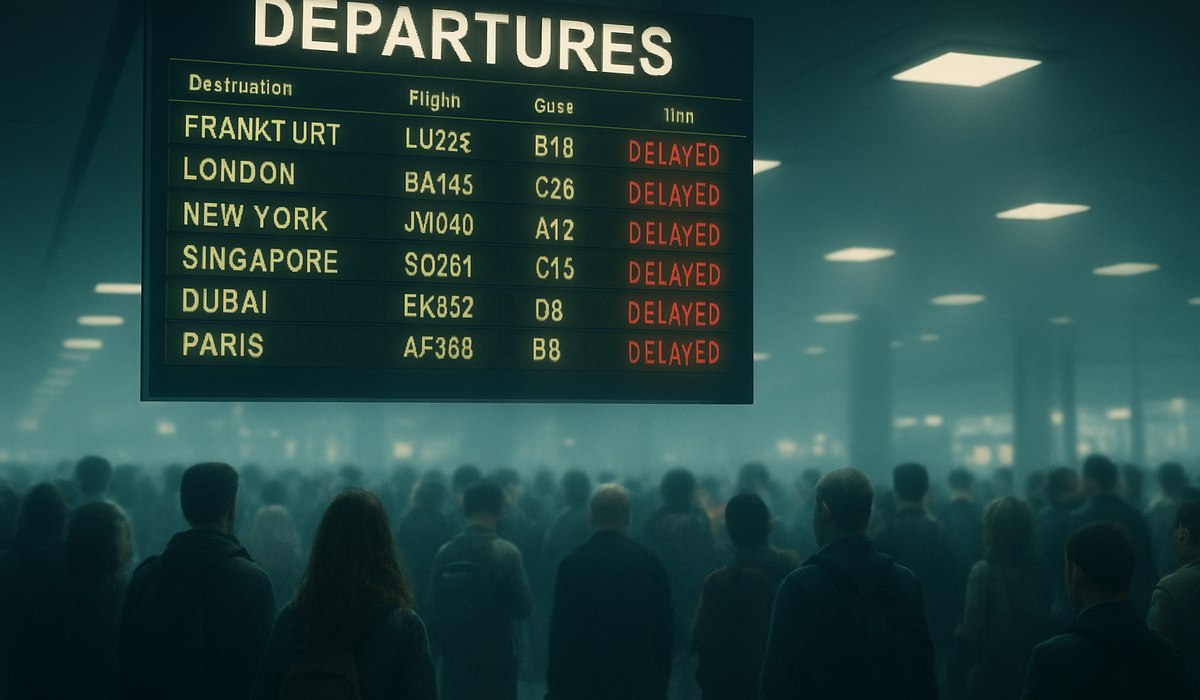
Image generated by AI
Phoenix Sky Harbor Descends into Chaos: 165 Flights Disrupted
Phoenix Sky Harbor International Airport ground to a halt this weekend with 165 flight disruptions, exposing critical weaknesses in the US aviation network's ability to handle peak travel periods. On Saturday, April 11, the Arizona hub logged over 160 delayed departures alongside cancellations, with disruption totals climbing to approximately 165 when including late-arriving inbound services. This incident represents one of the most significant operational meltdowns at a mid-size connecting airport in 2026, affecting thousands of passengers and revealing how quickly phoenix sky harbor chaos can cascade through the national network.
The disruptions centered on late morning and early afternoon departure banks—traditionally Phoenix's busiest periods. Departure delays commonly exceeded 45 minutes, with some flights held for over an hour as congestion accumulated in departure queues and gate areas. Crowded boarding areas, rolling gate changes, and extended rebooking lines painted a picture of an airport struggling under operational strain.
Spike in Delays at Desert Hub
Phoenix Sky Harbor's role as a major connecting point for both domestic and transcontinental passengers amplified the impact of airline delays during the April 11-12 weekend event. The airport typically manages a dense mix of origin-and-destination traffic alongside numerous connecting passengers relying on tight connection windows to hubs like Chicago O'Hare, Los Angeles International, and New York area airports.
The flight disruptions at Phoenix weren't distributed evenly throughout the day. Late morning and early afternoon proved most chaotic, when the airport's inherent capacity constraints collided with operational pressures. Passengers targeting connections at downstream hubs faced particular vulnerability—a 45-minute delay on departure from Phoenix could eliminate connection windows at major connecting hubs, forcing rebooking on subsequent flights that were often already full.
Real-time flight tracking via FlightAware during the disruption window showed delay patterns consistent with cascading operational failures rather than single-point failures. Multiple airlines reported ground stops and flow program restrictions, indicating systemwide coordination issues rather than airline-specific problems. The combination of these factors created compounding delays that proved difficult for airlines to recover from throughout the operational day.
Nationwide Strain Across US Air Network
The phoenix sky harbor chaos did not occur in isolation. On April 11, national air traffic data indicated nearly 1,800 flights operating late across the United States, with approximately 80 cancellations system-wide. This broader pattern reflects emerging structural vulnerabilities in the national airspace system—vulnerabilities that have intensified repeatedly since late March 2026.
Major hubs including Atlanta, Chicago, and New York area airports experienced significant disruption simultaneously with Phoenix. These primary connecting points radiated knock-on effects into secondary markets like Phoenix, which depends heavily on smooth operations at upstream hubs. Earlier in the same week, major hubs across Las Vegas, Denver, Houston, Phoenix, and Washington collectively experienced over 3,000 delays and more than 100 cancellations in a single day, signaling the national system was already under considerable stress.
According to the FAA's official traffic management data, air traffic control flow programs were active at multiple facilities during the disruption period. These programs deliberately slow the arrival rate of flights to prevent airport surface congestion—a necessary measure that paradoxically increases delays system-wide. When multiple hubs simultaneously implement such restrictions, the cascading effect extends from primary hubs through the entire connected network.
Impact on Passenger Connections
Tight connection windows that work under normal operations became impossible when airline delays accumulated at originating airports. Passengers with 60-minute connections—considered reasonable for connecting airports—faced missed-connection scenarios when single-leg delays approached or exceeded that threshold.
The operational mathematics prove unforgiving in modern airline networks. When an aircraft arrives late at a connecting hub due to initial delays at Phoenix, that same aircraft operates subsequent flights late. Crew duty limitations and aircraft maintenance windows compound the problem, forcing airlines to either delay later departures or cancel them entirely. This ripple effect explains how localized network instability at one airport can degrade service quality across the entire country within hours.
Passengers dependent on connections through Phoenix or onward from Phoenix faced particular challenges. Airlines struggled to accommodate displaced passengers on alternative flights, as most same-day alternatives were already fully booked. The rebooking process created visible congestion in airport terminal spaces and at airline service desks.
Underlying Causes: Staffing, Capacity, and Technology
Flight disruptions of this magnitude rarely stem from single causes. Instead, phoenix sky harbor chaos emerged from a convergence of operational pressures. Regional weather and air traffic control flow programs at distant facilities constrained arrivals into key hubs, while localized congestion around Phoenix—including heavy weekend traffic on primary approach routes—added additional friction.
Chronic staffing challenges in air traffic control facilities represent a persistent vulnerability documented in multiple Federal Aviation Administration reports. When facilities operate below authorized staffing levels, traffic management initiatives slow overall arrival and departure rates, increasing ground holds and taxi delays during peak periods. The staffing situation at Phoenix Sky Harbor and upstream facilities directly influenced the severity of April 11-12 disruptions.
At the airline operational level, crews and aircraft remain tightly scheduled following pandemic-related disruptions and hiring imbalances. When rolling delays force operational constraints, carriers struggle to position crews and aircraft appropriately, particularly at high-volume connecting points like Phoenix. Technology dependencies also present vulnerability points—airline scheduling systems, gate assignment software, and crew management platforms must function flawlessly under stress, yet complex digital systems occasionally fail during peak operational periods.
Key Disruption Data
| Metric | Value | Impact |
|---|---|---|
| Total Flight Disruptions | 165 | Among most severe for mid-size hub |
| Average Departure Delay | 45+ minutes | Exceeded connection time windows |
| Maximum Individual Delay | 60+ minutes | Ground holds in departure queue |
| National System Delays (same day) | ~1,800 flights | Systemic network instability |
| System Cancellations (national) | ~80 flights | Passenger rebooking strain |
| Peak Disruption Hours | 10 AM - 3 PM | Late morning/afternoon banks |
| Affected Airlines | Multiple carriers | No single airline concentrated impact |
| Passengers Affected | Thousands directly | Plus downstream connection impacts |
What Travelers Should Know
The April 2026 phoenix sky harbor chaos highlights critical vulnerabilities in current airline operations and national airspace management. The US aviation network operates with minimal buffer capacity during peak periods, meaning localized disruptions immediately cascade nationally. Passengers should recognize that flight reliability depends not only on their originating airport but on the operational status of every connecting hub in their itinerary.
For travelers planning trips through Phoenix Sky Harbor or with connections involving Phoenix, additional precautions prove prudent. Building longer connection windows—90 minutes or more for domestic connections—provides buffer against system-wide delays. Monitoring flight status proactively via FlightAware allows passengers to identify emerging delays early and adjust plans accordingly.
The incident demonstrates that airline delays increasingly reflect systemic issues rather than airline-specific failures. Passengers experiencing disruptions should understand their rights under Department of Transportation regulations. The US DOT Consumer Protection page provides detailed guidance on compensation eligibility, rebooking procedures, and passenger assistance requirements.
Traveler Action Checklist
-
Monitor flight status proactively using official airline apps or FlightAware at least 24 hours before travel through Phoenix or major connecting hubs.
-
Build connection buffers of at least 90 minutes for domestic connections when routing through busy hubs during peak travel periods.
Kunal K Choudhary
Co-Founder & Contributor
A passionate traveller and tech enthusiast. Kunal contributes to the vision and growth of Nomad Lawyer, bringing fresh perspectives and driving the community forward.
Learn more about our team →